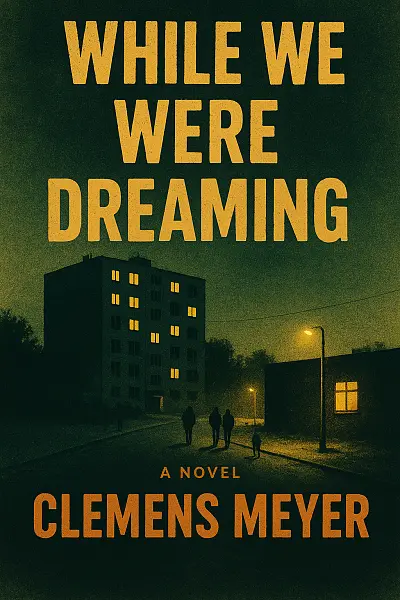
While We Were Dreaming
by: Clemens Meyer
Rico and his friends drift through Leipzig’s tough brewery quarter just as the Berlin Wall tumbles, hungry for freedom and a future beyond their bleak old lives. Suddenly, reunification throws their world into chaos, flooding the city with wild hope and gritty uncertainty. Each night, they chase thrills—drinking, stealing cars, skipping out on the lives mapped for them—grappling with the ache for belonging and true connection.
But as endless parties blur into violence and emptiness, the dream of escape becomes tangled in new risks: addiction, heartbreak, and being lost for good. Meyer's raw, punchy writing dives into the reckless energy, heartbreak, and cracked humor of youth on the edge… but can these friends outrun the emptiness, or will it swallow them whole?
"We carry our futures like bruises—tender, invisible, impossible to forget."
Let's Break This Down
The Author's Voice
Atmosphere
- Raw, unfiltered, and almost cinematic in its intensity; Meyer thrusts readers into the gritty heart of post-reunification East Germany.
- Expect a constant hum of tension: the world he depicts feels perpetually on edge, dense with longing, rebellion, and a sense of loss.
- Shadows of nostalgia and disillusionment hang heavy, giving the whole narrative this restless, nocturnal energy that's both haunting and magnetic.
Prose Style
- Blunt yet lyrical—there's a sharp, jagged quality to Meyer's sentences, but now and then he’ll hit you with this unexpected burst of poetry.
- Fragmented structure: the prose mimics memory, darting back and forth, mixing dialogue, monologue, and slivers of perception.
- Sparse punctuation, long rolling sentences—sometimes it feels breathless, almost like someone trying to get their story out before it fades away.
- Intimate and immediate: you’re dropped right into the characters’ heads, seeing the world through a haze of booze, hope, and regret.
Pacing
- Unpredictable and intentionally uneven—scenes spool out in jolts and digressions rather than neat chapters or arcs.
- You'll hit moments that are frenetic, driven by wild nights and reckless decisions, then slam into stretches of languid melancholy and quiet misery.
- **Don’t expect tidy plotting—**the rhythm mimics real life, messy, circular, and sometimes stagnant, reflecting the listlessness of lost youth.
Mood & Feel
- Bleak but strangely beautiful, with moments of dark humor brightening the otherwise relentless despair.
- Deeply immersive; the experience is less “reading a story” and more “living someone else’s life—mistakes, messes, and all.”
- There’s an undercurrent of anger and yearning that makes the whole thing pulse with restless energy; readers are swept along whether they want to be or not.
Overall Vibe
- Gritty snapshot of a generation trying—and failing—to find their place; it’s chaotic and chaotic for a reason, capturing the truth of uncertain times.
- Perfect for those who love writing that’s unvarnished, deeply felt, and never lets you look away—even when you want to.
- If you want a neat, comforting read, look elsewhere—if you want prose that’s electric and bracingly honest, Meyer’s style will absolutely pull you in.
Key Moments
- Raw, cinematic vignettes of Leipzig's crumbling backstreets after the Wall
- Boys on bikes, racing through moonlit ruins—freedom and danger colliding
- Gut-punch violence: a bar fight spiraling out of control, loyalty pulled to breaking
- Meyer’s frantic, unfiltered prose: sentences that barrel forward, gathering chaos
- Friendship as both lifeline and trap, where every dream has a price
- Moments of bruised tenderness: adolescent hope flickering amid collapse
- That unforgettable night under the neon overpass—innocence lost in a heartbeat
Plot Summary
While We Were Dreaming follows a tight-knit group of friends navigating the turbulent aftermath of the fall of the Berlin Wall in East Germany. The unnamed narrator and his friends wrestle with hope and despair as they spiral into violence, crime, and self-destruction while dreaming of a better life. Their youthful days are filled with petty theft, drunken escapades, love affairs, and run-ins with the law, all set against a backdrop of societal collapse and dramatic change. The story crescendos with various tragic events: some friends end up in prison, others succumb to drug addiction, while dreams of happiness and escape repeatedly unravel. There isn’t a clear-cut resolution; the novel closes with the realities of adulthood setting in, loss lingering, and youthful idealism fading, leaving the characters forever shaped by their fractured youth.
Character Analysis
The unnamed narrator is sensitive and poetic, struggling between innocence and delinquency; his inner turmoil and longing define much of the novel’s emotional weight. His friends—Rico, Mark, Michael, and others—represent different facets of post-GDR youth: Rico is restless and rebellious, frequently on the run; Mark embodies loyalty and vulnerability, but is ultimately swallowed by addiction. Throughout the book, the characters are constantly tested by newfound freedoms and temptations, their tragic flaws amplified by social upheaval. Each undergoes some form of change—whether it’s moral compromise, disillusionment, or fleeting moments of connection—with most failing to outrun their demons or rise above their crumbling environment.
Major Themes
Meyer digs deep into themes of disillusionment and lost innocence, as his characters’ dreams are crushed by harsh reality—most clearly seen in their repeated failures to escape poverty, addiction, or the limits of their environment. The book also powerfully explores friendship and loyalty, highlighting how shared struggles can both bond and break people, such as when betrayals and shifting allegiances eventually pull the group apart. Another central concern is the search for identity and belonging in a rapidly changing world, with East Germany’s collapse leaving the boys painfully adrift. Through vignettes of violence, drugs, and desperate love, Meyer examines how youthful hope collides with the grimness of adulthood.
Literary Techniques & Style
Meyer’s style is gritty, fragmented, and unflinchingly raw, using non-linear storytelling—jumping between time periods, perspectives, and events almost like fragmented memories—which makes the narrative feel dreamlike and chaotic. He relies on stream-of-consciousness narration, present-tense urgency, and vivid sensory details to plunge readers into the characters’ immediate experiences. Symbolism is woven throughout: trains and journeys often represent hope for escape, while recurring motifs of broken glass and night-time settings underscore the shattering of dreams and innocence. The dialogue is authentic and colloquial, adding to the stark realism, and Meyer deftly uses repetition and recurring phrases to evoke the cyclical nature of the boys’ struggles.
Historical/Cultural Context
Set in Leipzig during and after the fall of the Berlin Wall, the novel captures the cultural confusion and disintegration of identity after reunification. The characters, all from former East Germany (GDR), face newfound freedoms mixed with alienation, unemployment, and rising crime—a world where old rules no longer hold and new norms clash with their upbringing. These historical upheavals not only drive the plot but also deeply influence the boys’ sense of self and possibility.
Critical Significance & Impact
While We Were Dreaming is celebrated for its honest, uncompromising look at post-reunification German youth—a rarely explored perspective in literature. The novel’s bleak realism and lyrical style have drawn comparisons to works by authors like Irvine Welsh and Hubert Selby Jr., and it has been lauded for capturing a generational sense of lost direction. Meyer’s debut became a cult classic in Germany and continues to resonate for its vivid depiction of transition, making it essential reading for understanding contemporary European literature.
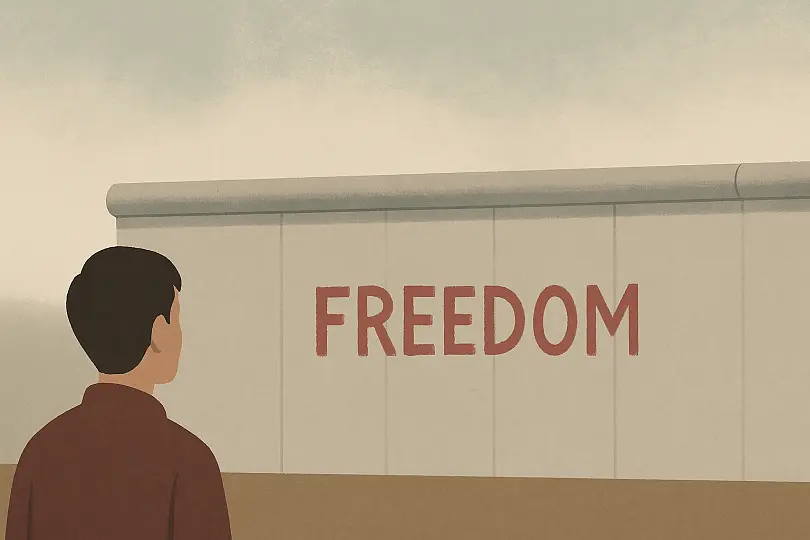
Lost innocence in reunified Germany—raw, unfiltered coming of age.
What Readers Are Saying
Right for You If
Who’s Gonna Love While We Were Dreaming?
Hey, so if you’re the kind of reader who lives for raw, gritty coming-of-age stories and doesn’t mind a bit of chaos in the narrative, you’re gonna eat this up. This book is totally for you if you love novels that dive deep into the messy, beautiful, and sometimes heartbreaking realities of life—especially in post-Wall Germany. It’s got that vibe where every page feels a little unpredictable, and if you appreciate literary fiction that pushes boundaries, you’ll be hooked.
- Love books that are more about vibes and characters than plot? Meyer’s style is pretty loose and fragmented, so it almost feels like you’re being tossed right into the memories of a wild youth.
- Fans of gritty realism and social commentary: If you’re into stories that really dig into tough subjects like poverty, addiction, and friendship under pressure, this is your jam.
- Appreciate evocative writing and unique voices? The prose is lush and atmospheric—a big win if you enjoy novels that linger on details and mood.
- Prefer books that make you feel more than books that move fast? You’ll like the way this one sprawls and takes its time.
But—just to be real—if you’re all about tight plotting and neat resolutions, While We Were Dreaming might drive you nuts. The structure is pretty all over the place, and it can get confusing if you’re looking for something straightforward. Also, if you need your reads to have uplifting or feel-good moments, maybe skip this one—it leans into the darker side of life, and some scenes are pretty rough.
In short: If you’re into bold, literary coming-of-age stories that don’t hold back, go for it! If you want a breezy read or a tidy plot, you might want to look elsewhere.
What You're Getting Into
In the gritty heart of post-reunification East Germany, a group of restless teenagers chase thrills, freedom, and purpose against a backdrop of crumbling ideals and shattered families.
Told through raw, vivid snapshots, While We Were Dreaming plunges you into their world of parties, petty crimes, and wild hopes—where loyalty and survival mean everything, even as the rules keep changing.
With its electric mix of dark humor, heartbreak, and punk-rock energy, this novel delivers an unforgettable ride through youth, temptation, and the chaos of growing up when the future is anyone’s guess.
Characters You'll Meet
-
Rico: The restless narrator whose coming-of-age story anchors the novel. He grapples with hope, disillusionment, and the struggle to find meaning after the fall of the Berlin Wall.
-
Dani: Rico’s closest friend—loyal but volatile, often pushing boundaries and drawn to self-destruction. His rebellious streak and tragic choices shape much of the group’s fate.
-
Paul: Level-headed and a quiet observer, Paul seeks stability in a chaotic environment. He’s often the voice of reason, though he’s not immune to the group’s downward spiral.
-
Mark: The dreamer of the group, yearning for a way out. He’s idealistic and imaginative, sometimes escaping into fantasy rather than confronting harsh realities.
-
Frauke: The lone significant girl among the boys—a confidante, sometimes a love interest, sometimes a grounding influence, but never just a bystander. She adds complexity and emotional depth to the group dynamic.
More Like This
If you found yourself immersed in the raw energy and streetwise storytelling of Trainspotting by Irvine Welsh, you’ll be instantly gripped by While We Were Dreaming's gritty tapestry of youth caught on the edge of chaos. Both novels pulse with the struggles of restless, drifting friends trying to carve meaning out of alienating, often brutal environments, though Meyer’s lens is fixed on the crumbling landscape of post-reunification East Germany rather than Scottish suburbia.
Fans of A Little Life by Hanya Yanagihara will notice a kindred spirit here as well—the intense focus on flawed, vulnerable characters longing for connection amid darkness and hardship. Like Yanagihara, Meyer doesn’t shy away from depicting pain and tenderness with unsettling honesty, weaving together fractured lives and friendships that linger long after the final page.
On the screen, While We Were Dreaming channels the restless visual lyricism of Euphoria, echoing its hazy, neon-splashed portrayal of lost youth hurtling toward uncertain futures. Both the novel and the show share an ability to capture fleeting moments of hope, heartbreak, and recklessness—pulling readers and viewers alike through a visceral rollercoaster of emotion that feels as urgent as it is unforgettable.
Critic's Corner
What does freedom look like when the world you knew dissolves overnight, and every dream feels just out of reach? Clemens Meyer’s While We Were Dreaming dives straight into post-reunification Leipzig, pressing us to confront the bruised rawness of youth grappling with newfound chaos, temptation, and opportunity. In a landscape where yesterday’s certainties collapse, Meyer asks: can running, rioting, and reckless love be anything more than a desperate search for meaning?
Meyer’s writing thrums with electric immediacy, channeling the pulse of adolescence teetering on the edge of oblivion. The novel is fiercely fragmentary, stories and voices colliding like broken bottles—abrupt shifts simulate the unsteady swirl of memory, urban folklore, and pubescent bravado. His language is both gritty and lyrical: streetwise slang and soaring poetry entwined, unflinching in its depiction of violence and longing. At times, a claustrophobic sense of repetition mirrors the characters’ dead-ends, but bursts of tenderness and black humor cut through. Meyer’s narrative techniques—snatches of dialogue, sudden flashbacks, blurred timelines—evoke disorientation, echoing his characters’ experience in post-Wall East Germany. He eschews simple nostalgia, refusing instead to sentimentalize a lost world; this is ambitious storytelling that stretches the coming-of-age novel to its limits, demanding full emotional engagement from the reader.
At the core, While We Were Dreaming tears open wounds of belonging, masculinity, and existential drift. The friends’ wild abandon masks a deep ache for connection and purpose as they battle with the seductive dangers of freedom: crime, addiction, and the threats lurking both in the streets and their own homes. Meyer explores how macro-political upheaval filters down into the most intimate lives, forcing young people to improvise their own ethics in a vacuum left by failed authorities and shifting values. The characters’ yearning for a life “beyond the brewery quarter” is both literal and metaphorical—a restless push toward something truer and more humane, even as hope flickers and gutters out. Philosophically, Meyer forces us to ask: In a world without foundations, what’s left to trust, and how do we grow up without losing ourselves? The book resonates today in its unsparing look at the costs and promises of freedom, posing questions as relevant now as in 1989.
Within the literary tradition, Meyer’s novel stands firmly alongside the likes of Trainspotting or Berlin Alexanderplatz: bruising, immersive, and resistant to tidy arcs. He renews and complicates the coming-of-age genre, rooting it in German reunification rather than the more familiar escapades of American or British youth fiction. For fans of visceral, unvarnished literature, Meyer offers rare insight into a pivotal cultural moment.
While We Were Dreaming is not without flaws—its bleakness can feel relentless, and the fractured narrative may alienate readers craving linear unfolding. Yet its emotional urgency, unforgettable voice, and unflinching honesty make it a brave, necessary novel that matters, especially now. Meyer doesn’t just revisit history; he makes us feel it pulse, desperate and alive, under our skin.
Community Thoughts
woke up thinking about the scene with the boys on the railway tracks, the tension running through every line. couldn't shake off that feeling, like life teetering on the edge of something wild and irreversible. Meyer's world lingers.
The way the boys chased meaning through those streets, it’s like I could feel the concrete under my own feet. That car crash scene stuck with me for days. Meyer nails that desperate hunger for something more.
i kept thinking about daniel, the way his vulnerability barely surfaced but shaped everything. his quiet desperation stayed with me, echoing long after i closed the book. meyer makes you watch him unravel, and it’s impossible to look away.
I still can't get over the way Meyer dropped that line: "We were kings in the ruins." It echoed in my head every night, refusing to let me sleep. It's haunting, relentless, and painfully true.
not gonna lie, that scene where the group sits silently after the chaos hits? absolutely shattered me. the silence was louder than any fight, and I kept thinking about it for days. Meyer really knows how to twist a moment.
Leave Your Review
Local Take
Why It Matters
While We Were Dreaming by Clemens Meyer really strikes a chord with readers in Germany, especially those who experienced or grew up in the shadow of reunification.
-
Parallel historical events: The novel’s gritty depiction of East German youth post-Berlin Wall instantly brings to mind the country's turbulent 1990s, an era still close to the German psyche. This backdrop resonates deeply with locals who remember economic uncertainty, social upheaval, and the rush of newfound freedoms.
-
Cultural values: The bonds of friendship and the search for identity clash and align with Germany’s appreciation for community versus the individualism that surfaced after the Wende. Meyer's raw portrayal of marginalization may clash with present-day ideals of integration but feels real to those who lived it.
-
Why plot points hit differently: Moments of lost innocence, systemic failure, and resilience feel especially personal here, echoing collective memories of navigating a fractured society.
-
Local literary traditions: Meyer's fragmented, almost documentary style nods to German literary realism but challenges more polished post-war narratives, offering a voice to those rarely centered.
It’s a tough, honest mirror—sometimes uncomfortable, always unforgettable.
Food for Thought
Notable Achievement:
- While We Were Dreaming by Clemens Meyer was shortlisted for the 2008 Deutscher Buchpreis (German Book Prize), making a significant impact by authentically capturing the tumultuous experiences of East German youth during reunification.
- The novel is celebrated for its raw, gritty depiction of post-communist disillusionment and has influenced a new wave of contemporary German literature tackling the complexities of recent history.
Like what you see? Share it with other readers