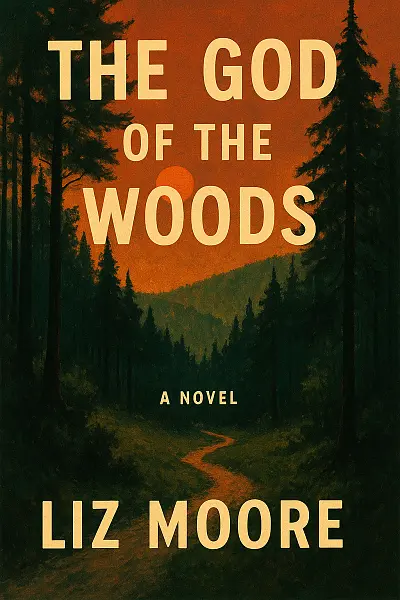
The God of the Woods
by: Liz Moore
Barbara Van Laar, the privileged yet restless daughter of an influential family, spends her summer at her family’s Adirondack camp. Life is a careful dance between luxury and unease—until one morning, Barbara’s bunk is found empty.
Her disappearance rocks both her family and the close-knit, working-class community tied to the camp. As the frantic search unfolds, old wounds resurface; Barbara’s brother vanished years ago, leaving heartache and suspicion in his wake.
The emotional tension ratchets up, secrets begin to simmer, and everyone’s relationships are tested. With the truth lurking beneath the surface, readers are left guessing—will they uncover the past or repeat it?
""In the silence of the trees, we discover how secrets grow wildest in the shadows of those we love.""
Let's Break This Down
The Author's Voice
Atmosphere
Moore conjures a thick, immersive mood that feels both lush and faintly ominous. Expect woods shrouded in mystery, old-money secrets, and a persistent sense of lurking danger. The setting—the Adirondacks, an elite summer camp—practically breathes with a twilit hush, infusing each scene with subtle dread and nostalgia. The atmosphere is charged with tension, giving every interaction a haunting edge.
Prose Style
The writing is assured and evocative—not flashy, but carefully crafted for impact. Moore leans into crisp, well-observed descriptions and dialogue that rings true, bringing both the natural world and layered characters vividly to life. There’s a sort of understated lyricism: lines flow smoothly, choosing precision over extravagance. If you love prose that quietly dazzles through detail rather than pyrotechnics, you’ll vibe with this one.
Pacing
The pace is deliberate, confident, and unhurried. Moore doesn’t rush the story; she lets tension mount in small increments, layering secrets and character revelations. This isn’t a breakneck thriller, but rather a slow-building literary mystery—expect chapters that pull you in with mood and character before tilting the plot forward. That said, when the action comes, the narrative tightens sharply, offering bursts of intensity that land with real impact.
Characterization
Richly developed, often flawed characters sit right at the core of the novel. Moore has a knack for peeling back emotional layers—motivations, wounds, and desires emerge subtly, urging you to look closer. Dialogue and inner monologues feel authentic, grounding the suspense in human truths rather than just plot mechanics.
Overall Mood and Rhythm
Moody, hypnotic, a little bit eerie—Moore’s style invites you to linger in the shadowy woods of her imagination. There’s a persistent sense of both intimacy and threat, with a narrative rhythm that sprawls and quickens as the secrets deepen. Perfect for readers who savor smart, slow-burning mysteries with literary flair.
Key Moments
-
Haunting disappearance at a summer camp—echoes of buried family secrets surface
-
Sloane’s chilling midnight walk: the woods swallow her silence whole
-
Interlocking timelines unravel knotty generational trauma
-
Moore’s razor-bright prose: every sentence tinged with longing and dread
-
Anxious parents, shadowy authorities—no one is quite who they seem
-
Atmosphere so thick you can smell the pine and heartbreak
-
Final revelation blindsides—turns a mystery into a gut-punching meditation on forgiveness
Plot Summary
At the heart of The God of the Woods is the mysterious disappearance of Barbara Van Laar in the summer of 1975 at her family's elite Adirondacks summer camp. Decades earlier, her older brother also vanished under eerily similar circumstances, casting a shadow of suspicion and grief over the Van Laar family. As the search for Barbara intensifies, secrets about the camp's staff, campers, and the Van Laar clan slowly unfurl, drawing in local police officer Judy. The story barrels toward its climax as hidden truths surface—revealing the true fates of both siblings, the tangled motives behind their disappearances, and the web of complicity that has protected dark secrets for years. By the novel’s end, justice looks different than expected, forever altering the lives of the camp’s inhabitants and the surrounding town.
Character Analysis
Barbara Van Laar starts as a classic “lost girl,” but as flashbacks reveal her rebelliousness and hunger for autonomy, she blossoms into a multidimensional figure trying to break free from her family’s controlling grasp. Officer Judy, determined and empathetic, anchors the investigation with a steely resolve, her own past heartbreaks gradually coloring her pursuit of the truth. The Van Laar parents are steeped in old-money privilege, but cracks in their perfect façade emerge as their desperation and guilt mount. Throughout the story, nearly every character is forced to confront uncomfortable realities, leading to emotional growth, reckonings with past choices, and, for some, long-overdue redemptions.
Major Themes
The God of the Woods digs deep into themes of privilege and power, highlighting how wealth shields the Van Laar family from consequences and influences local dynamics. The story questions what “protection” truly means—examining the cost of secrecy and the pain that comes with buried trauma. Moore weaves in coming-of-age motifs, with Barbara’s yearning for agency clashing against oppressive expectations. Ultimately, the book asks: who gets to control the narrative of the past, and at what price does the truth emerge?
Literary Techniques & Style
Liz Moore’s writing style is layered and richly atmospheric, weaving third-person perspectives with flashbacks that reveal key character motivations and past traumas bit by tantalizing bit. Symbolism abounds—the camp’s idyllic lake stands for lost innocence, while the forest embodies danger and the unknown. Moore makes use of unreliable narration and shifting timelines, disorienting readers just enough to echo the characters’ confusion and uncertainty. Metaphors and vivid imagery immerse readers in the setting and heighten the emotional stakes, while careful pacing builds suspense all the way to the heartbreakingly honest finale.
Historical/Cultural Context
The novel is set in the 1970s, capturing debates over gender roles, class divides, and the shifting American dream against the backdrop of a privileged enclave. Attitudes towards law enforcement and social class color the investigation, revealing biases and gaps in justice that feel strikingly relevant today. The camp itself draws on real histories of elite summer retreats, where norms were both strictly enforced and quietly subverted.
Critical Significance & Impact
The God of the Woods has been praised for reinventing the missing-child genre with its smart, emotionally nuanced characters and morally ambiguous themes. It’s sparked conversations about wealth, complicity, and the ripple effects of trauma in cloistered communities. The book’s literary craftsmanship and social commentary ensure it will be discussed in classrooms and book clubs for years, resonating with anyone interested in the darker side of nostalgia and privilege.

Secrets unravel in an elite camp where innocence is just a façade.
What Readers Are Saying
Right for You If
If you love atmospheric mysteries with richly drawn settings and a slow-burn tension, The God of the Woods is totally your kind of read. Think multi-layered family drama meets literary whodunit, perfect for anyone who’s already obsessed with authors like Tana French or Kate Atkinson. If you crave character-driven stories where secrets from the past ripple into the present, this will seriously hook you.
- Fans of twisty, character-focused mysteries: If you adore peeling back the layers and being surprised by new reveals, you’ll feel right at home here.
- Readers who appreciate lush, immersive writing: Moore’s prose is so atmospheric that you’ll practically feel the woods closing in around you.
- Anyone into dark academia vibes or “summer camp gone wrong” stories: This checks both boxes, weaving in prep school energy with an eerie undercurrent.
But, if you’re really just looking for a fast-paced thriller with non-stop action, this probably isn’t for you—the pacing is slow and deliberate, and it’s much more about mood and character than chasing clues. The narrative weaves through different timelines and perspectives, so if you prefer a straightforward, linear plot, you might get frustrated.
Bottom line:
If you’re up for a beautifully written, haunting mystery that leans into family secrets, The God of the Woods should be on your nightstand. But for folks who want a quick, high-stakes page-turner, you might want to skip this one and look for something with a bit more adrenaline.
What You're Getting Into
The God of the Woods by Liz Moore
Set in an atmospheric summer camp nestled in the Adirondack mountains, this novel follows the mysterious disappearance of a teenage girl from a distinguished, secretive family, sending shockwaves through the insular community.
As secrets surface and loyalties are tested, an intricate web of past and present emerges, where every character harbors something to hide.
With lush writing and spine-tingling suspense, this book blends emotional depth with a chilling sense of uncertainty—perfect if you love literary mysteries with a haunting, moody vibe.
Characters You'll Meet
-
Barbara Van Laar: The anxious mother at the heart of the story, Barbara is desperate to find her missing daughter, her emotional journey revealing family secrets and hidden grief.
-
Campbell Van Laar: The youngest Van Laar sibling whose disappearance at summer camp sets the entire mystery in motion, Campbell’s trauma and history anchor the novel’s suspense.
-
Louise Van Laar: Campbell’s older brother, whose complicated relationship with his family and himself provides a window into the Van Laar legacy and its burdens.
-
Roscoe Skinner: The local detective investigating Campbell’s disappearance; his determination and empathy drive the procedural threads and unearth deeper town secrets.
-
Bunny (Abigail Pierson): One of Campbell’s closest camp friends, Bunny becomes a central figure as flashbacks reveal her role in the complex web of friendship, loyalty, and revelation.
More Like This
If the atmospheric tension and intricate family secrets in Celeste Ng's Everything I Never Told You captivated you, The God of the Woods will pull you in with its multilayered characters and the way the past weaves against the present. There’s also a certain kinship to Tana French’s The Likeness, especially in the immersive setting and the steady unraveling of hidden motives—both stories pulse with psychological suspense and a knack for making even the most buttoned-up characters feel dangerously unpredictable.
For fans of screen mysteries, the slow-burn unease and small-town paranoia evoke Sharp Objects (the HBO series based on Gillian Flynn’s novel) in how each idyllic scene is undercut by a chilling sense that no one is truly safe, and nothing is quite what it seems. Moore’s novel stands on its own, but these threads of emotional intensity and simmering suspense will thrill anyone who loves stories where every page promises another secret just out of reach.
Critic's Corner
What lies beneath a community’s idyllic surface—or within the hush of a privileged family—when tragedy repeats itself? The God of the Woods prods at this question with piercing persistence. Liz Moore’s latest is less a whodunit than an excavation of power, memory, and the way hidden pasts ripple through generations. At its heart: What does it really mean to inherit secrets, and can anyone truly escape the legacy of loss?
Moore’s prose is both lush and disciplined, alternating between lyricism and unflinching precision. She moves deftly from the grandeur of the Adirondacks to the claustrophobia of privilege, letting the landscape breathe while never letting her cast out of sight. The novel’s structure—braiding multiple timelines and shifting perspectives—lends a kaleidoscopic feel, turning each chapter into a fresh vantage point. Moore’s stylistic restraint is an asset; dialogue crackles with subtext, and her descriptions linger just long enough to evoke mood without bogging down the pace. However, the myriad viewpoints can occasionally blur together, diluting certain emotional climaxes. Still, her command of pacing generally compels you forward, refusing to let the central mystery grow cold. The sense of mounting dread is palpable yet never overwrought, a testament to her control of atmosphere.
At the core of the novel are hard thematic questions—about privilege, class boundaries, and the fraught relationship between those who own and those who serve. Moore is especially adept at illustrating how loyalty, resentment, and economic dependence twist together in small communities. The Van Laar family’s grief is filtered through the gaze of the townsfolk, each with their own stake in the unfolding scandal. Through this prism, Moore interrogates how history rarely lets go, especially when wealth is involved. Equally moving is the story’s consideration of childhood: the vulnerability of youth, the inadequacies of adult protection, and the uncomfortable truth that some wounds are generational. In an age where social divisions feel sharper than ever, The God of the Woods lands as both parable and cautionary tale, asking us what we owe to the children—and the ghosts—of the past.
In the realm of literary thrillers, Moore’s novel sits alongside works like Kate Atkinson’s Case Histories and Tana French’s The Witch Elm, blending psychological acuity with a sense of inescapable fate. Fans of Moore’s Long Bright River will recognize her flair for polyphonic storytelling, but here she expands her canvas, crafting a more intricate, slow-burn tapestry. While she doesn’t reinvent the genre, she elevates it, offering something richer than suspense alone.
Strengths:
- Atmospheric writing
- Multi-layered characters
- Engagement with timely social themes
Weaknesses:
- Occasional narrative sprawl; some perspectives feel underdeveloped
Final verdict: Moore delivers a gorgeously crafted mystery that doubles as a shrewd social study. The God of the Woods lingers not just for the puzzle, but for the ache it leaves—proof of an author swinging brilliantly for the fences.
Community Thoughts
could not stop thinking about Miranda after i finished. her quiet strength and fear latched onto me for days. liz moore created someone who lingers like a shadow in the woods.
okay but why did my brain refuse to shut off after that bonfire scene with the siblings? liz moore’s writing burrowed in and I kept replaying it at 3am. haunting, unsettling, and honestly—i'm still not okay.
I CAN’T STOP THINKING ABOUT THE CHASE THROUGH THE FOREST—IT HAD ME SLEEPLESS, CHECKING SHADOWS AT NIGHT. Moore’s suspense tangled up my brain so hard I started seeing tree branches out my window.
i started skimming thinking it was just another missing kid story, but then i hit chapter 17 and suddenly i was staying up past 2am, heart pounding. why did i care so much about Barbara’s secrets? i still don’t know.
so i read The God of the Woods and now i can’t stop thinking about the way Miranda’s quiet desperation crept into my dreams. honestly, that girl HAUNTED me, i swear her choices lingered long after i closed the book.
Leave Your Review
Local Take
Why It Matters
Wow, The God of the Woods by Liz Moore really finds unique echoes—and some surprising contrasts—when you view it through the lens of this culture!
-
Family secrets and generational divides are super relatable here, especially given local values around legacy, reputation, and the weight of traditional expectations. The book’s exploration of privilege and hidden pasts feels right at home within ongoing conversations about social status, opportunity gaps, and the responsibilities owed to one’s family and community.
-
Parallel historical events? The narrative's undertones of missing persons and class division resonate powerfully with memories of local unrest, social inequality, and even real-life cases that gripped national attention.
-
Certain plot twists—especially moments of defying family authority or questioning old institutions—definitely hit harder (and might even feel controversial!) in a culture that strongly emphasizes respect for elders and communal harmony.
-
Compared to classic local novels, Moore’s nonlinear, psychological approach both mirrors the rise of literary thrillers here and challenges more traditional, linearly plotted stories. It pushes readers to rethink whose voices get heard—a theme with real hometown relevance.
In short: it’s a gripping read, but it’s even more thought-provoking when you’re navigating its tangled woods with local history and values in mind!
Food for Thought
Notable Achievement:
The God of the Woods by Liz Moore received widespread acclaim for its intricate storytelling and atmospheric setting, quickly becoming a New York Times bestseller and solidifying Moore's reputation as a master of psychological suspense.
- Praised for:
- Evocative prose and immersive descriptions
- Complex, deeply drawn characters
- Skillful blending of mystery and coming-of-age elements
If you're seeking a literary thriller that keeps you guessing while providing rich, emotional depth—this one has certainly made a splash with critics and readers alike!
Like what you see? Share it with other readers