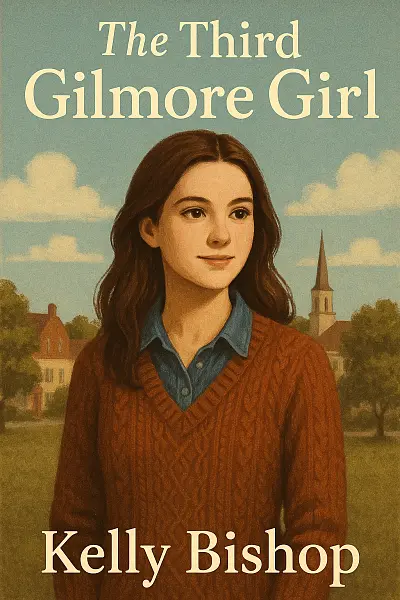
The Third Gilmore Girl
by: Kelly Bishop
Kelly Bishop is an ambitious performer thriving in the glamorous yet unpredictable world of show business, balancing dance, acting, and the bright lights of Broadway. Her steady rise feels unstoppable—until landing the role of Emily Gilmore flips her world upside down, catapulting her into pop culture fame and challenging everything she thought she wanted.
Now, Kelly must navigate the pressures of reinvention, personal loss, and the relentless glare of celebrity, all while yearning to stay true to herself. With wit and heartfelt candor, Bishop explores whether she can claim her legacy her way, or if she'll be defined by the role that made her iconic.
""Sometimes the person you become is shaped as much by the roles you choose to play as by the ones you never expected to be cast in.""
Let's Break This Down
The Author's Voice
Atmosphere:
The Third Gilmore Girl captures a breezy, nostalgic vibe that’s both heartfelt and full of sharp showbiz sparkle. The mood alternates between candid behind-the-scenes confessions and a warm, inviting conversation that makes you feel like you're sharing coffee in Stars Hollow. There’s a cozy familiarity throughout—think wistfully-lit afternoons, old-Hollywood glam with a ‘mom-next-door’ twist, and just a dash of that theatrical hustle-bustle.
Prose Style:
Kelly Bishop writes with natural wit and crisp, conversational flow. Her sentences feel effortless yet polished—never stuffy, never overworked—inviting readers in with sly humor and the sort of sly asides you’d overhear in a green room. She blends storytelling with sharp observation, delivering anecdotes that are snappy and to-the-point but also layered with emotional undercurrents. There’s a brisk directness here, but underneath, you sense a genuine warmth and a storyteller’s touch for well-placed details.
Pacing:
The rhythm here is brisk and lively, rarely dragging or getting bogged down in minutiae. Bishop knows when to pause for a reflective beat before whisking you onward, much like a perfectly paced stage production. Chapters tend to move quickly, propelled by juicy reveals or witty retellings. While there's plenty of behind-the-velvet-rope detail, the story never lingers too long on any single moment—expect an engaging tempo that keeps those pages flipping.
Dialogue & Voice:
Expect a voice distinctly Bishop: sophisticated but unpretentious, seasoned by experience yet still playful. Her dialogue—especially when recalling interactions from her Broadway and Gilmore Girls days—feels authentic, peppered with sharp banter and affectionate ribbing. She deftly strikes a balance between personal anecdote and professional insight, making every story feel intimate but broadly appealing.
Emotional Tone:
At its core, the writing radiates warmth and resilience. Even when diving into industry hardships or personal obstacles, Bishop steers clear of bitterness, choosing clarity and empathy. There’s genuine affection here for both the craft and the people she’s encountered, with honest reflections that land as both relatable and affirming. Sentiment is deftly handled—a touch bittersweet, never saccharine.
Overall Feel:
Pick up The Third Gilmore Girl if you love memoirs that blend Broadway legend energy, insider television secrets, and real-life grit. The style is perfect for readers looking for conversational charm, quick pacing, and plenty of personality—an inviting blend of wit, candor, and old-school showbiz sparkle.
Key Moments
- Backstage Broadway confessions that sparkle with wit and nostalgia
- "Gilmore Girl secrets" revealed—Lauren Graham, Alexis Bledel, and all the moments you never saw
- An honest, unvarnished look at ambition, regret, and surviving Hollywood’s spotlight
- Vivid portraits of Elaine Stritch, Bob Fosse, and Broadway legends woven into everyday life
- Heart-tugging reflections on being Lorelai’s mom—on screen and off
- Kelly Bishop’s voice: sharp, mischievous, and endlessly charming throughout
- A love letter to theater, TV, and the families—chosen and real—who shape us
Plot Summary
The Third Gilmore Girl follows Kelly Bishop as she chronicles her journey from a young dancer on Broadway stages to her acclaimed role as Emily Gilmore. Along the way, she reveals candid behind-the-scenes stories from her early days in A Chorus Line — where a dramatic injury threatened her future — to the emotional highs and lows of life on the Gilmore Girls set. The memoir takes some intimate detours through Kelly’s personal struggles, including complex family relationships, painful career setbacks, and the challenges of being a woman in a changing entertainment industry. The plot climaxes when Kelly finds unexpected community and creative purpose working on Gilmore Girls, despite initially feeling like an outsider. Ultimately, Kelly emerges with a deepened sense of self, closing the story with wisdom about embracing one’s true identity.
Character Analysis
Kelly Bishop, both as narrator and subject, is delightfully frank and self-aware — her voice alternates between tough-love candor and poignant vulnerability. Her early ambition and perfectionism often clash with moments of self-doubt and insecurity, especially as she navigates grueling Broadway auditions and later reinvents herself for television. Over time, Kelly’s motivations shift from pursuing validation through professional success to seeking connection, creative fulfillment, and inner peace. Supporting figures — from legendary choreographers to co-stars like Lauren Graham — serve to highlight Kelly’s growth, offering both friction and support that propel her transformation.
Major Themes
One major theme is reinvention: Kelly repeatedly faces career and personal crossroads where she must adapt or risk stagnation, illustrating how growth can emerge from setbacks. Intergenerational dynamics are also essential, both in Kelly’s real-life mother-daughter relationships and her portrayal of Emily Gilmore, surfacing tensions around autonomy, legacy, and understanding. There’s a consistent meditation on finding one’s voice, especially as Kelly learns to assert herself in male-dominated artistic spaces. With honest anecdotes, the memoir also spotlights the nature of performance, blurring lines between public persona and authentic self.
Literary Techniques & Style
Bishop’s style is breezy yet incisive, blending colloquial storytelling with sharply observed vignettes; she uses humor and self-deprecation to ease the impact of heavier content. Her use of flashbacks and time leaps crafts a non-linear narrative, mirroring the unpredictability of her career. Symbolism crops up, most memorably in the motif of “backstage doors”—each signifying new opportunities and risks. Occasional metaphor and vivid imagery (her account of the stage as a battlefield, for example) brings emotional resonance to her journey while keeping the tone personal and relatable.
Historical/Cultural Context
The memoir vividly captures the shifting landscape of American entertainment from the 1960s through the 2000s — from the golden age of Broadway chorus lines to the evolution of soapy, serialized television. Kelly’s story reflects challenges faced by women in the arts, such as gender bias, ageism, and the struggle for agency. The backdrop of Gilmore Girls itself, with its passionate fandom and pop culture impact, contextualizes how television in the early 2000s helped redefine representations of complex, multigenerational women.
Critical Significance & Impact
The Third Gilmore Girl has been celebrated for its unfiltered access to the life of a beloved performer, resonating especially with fans of Gilmore Girls and Broadway insiders. Critics have praised Bishop’s honesty and wit, noting how her memoir fills gaps left by glossier celebrity tell-alls. Its ongoing relevance lies in affirming the power of resilience, creativity, and authentic storytelling — proving especially meaningful for those navigating careers in the arts or seeking inspiration from real stories of perseverance.
From Broadway dreams to Stars Hollow: a life lived center stage
What Readers Are Saying
Right for You If
Alright, here’s the scoop on who’s really going to vibe with The Third Gilmore Girl by Kelly Bishop:
If you’re a Gilmore Girls superfan (or just obsessed with all things Stars Hollow), this book is basically a cozy blanket for your soul. Kelly dishes behind-the-scenes stories, so anyone who’s ever wanted more “Emily Gilmore” in their life will be so happy. You get juicy glimpses of her Broadway days, too, so classic theater lovers—this one’s for you.
- Memoir lovers: You know those memoirs that balance warmth, grit, and a bit of tea? Yup, you’ll love this one. Kelly’s voice is both candid and charming, perfect if you dig celebrity memoirs that don’t shy away from vulnerability.
- Pop culture buffs: If you’re the type who loves untangling old Hollywood stories or who jumps at any glimpse behind the TV curtain, you’ll totally eat this up.
- Fans of strong, witty women: Anyone who gravitates towards fierce, unapologetic women sharing their truth (think: Lauren Graham’s books, or even Tina Fey’s Bossypants)—add this to your stack.
But honestly—if you’re not nostalgic for Gilmore Girls or Broadway, some of these stories might not hit as hard.
- Not crazy about showbiz memoirs? Probably not your thing; the anecdotes and name-drops might just feel like background noise.
- Prefer a linear, plot-driven read? This is more of a meandering stroll down memory lane, not a twisty-turny narrative.
- Hoping for a deep literary exploration? Kelly’s style is chatty and anecdotal—it’s less “literary prose,” more “catching up over coffee.”
In short:
If you wanna feel like you’re having a cup of coffee (or martini) with a Broadway legend and the real Emily Gilmore, you’re in for a treat. But if you’re after high drama or don’t really care much about Gilmore Girls, maybe grab something else from your TBR pile!
What You're Getting Into
Get ready to dive into the heart of showbiz and family history with The Third Gilmore Girl by Kelly Bishop!
This captivating memoir pulls back the curtain on Bishop's journey from Broadway stages to beloved television screens, chronicling the highs, lows, and behind-the-scenes moments that shaped her iconic presence.
At its core, the book explores the complexities of ambition and belonging in a demanding industry, all told with Bishop's signature wit, warmth, and irresistible sass—perfect for anyone craving an intimate, authentic peek into the life of a true Hollywood legend.
Characters You'll Meet
-
Kelly Bishop: The memoir's engaging narrator, reflecting on her storied Broadway and television career. She draws readers in with candid insights and a witty, straightforward perspective.
-
Emily Gilmore: Bishop’s iconic Gilmore Girls role, often referenced as a touchstone for her acting legacy. Represents her professional turning point and an exploration of her most influential character.
-
Bishop's Mother: Frequently mentioned as a foundational influence, shaping Bishop’s work ethic and resolve. Their relationship adds emotional nuance and depth throughout the memoir.
-
Lauren Graham: Portrayed Lorelai Gilmore alongside Bishop, her dynamic with Bishop off-screen is warmly highlighted. Their real-life camaraderie and mutual respect deepen the book’s insider look at Gilmore Girls.
-
Edward Herrmann: Remembered affectionately for his role as Richard Gilmore, Bishop shares thoughtful anecdotes about their working relationship. His presence enriches stories of the enduring Gilmore Girls legacy.
More Like This
Fans who found joy in Bossypants by Tina Fey will instantly connect with The Third Gilmore Girl—both memoirs deliver sharp wit, behind-the-scenes insights, and a refreshing blend of vulnerability and humor as their authors navigate the unpredictable world of entertainment. If you've loved the fierce candor and industry gossip in* Just As I Am by Cicely Tyson, you'll appreciate the thoughtful reflection and hard-won wisdom that Kelly Bishop brings to the table, especially as she traces her journey from Broadway to television stardom.
On screen, the book radiates the same heartfelt family complexity and clever repartee that made Gilmore Girls so beloved. What makes Bishop’s memoir stand out is how her real-life perspective adds new depth to the mother-daughter dynamics and behind-the-scenes camaraderie fans adored on the show, letting readers experience the familiar world of Stars Hollow from an entirely new angle.
Critic's Corner
What does it mean to become an icon, and what is the hidden cost of living in the public eye for six remarkable decades?
Kelly Bishop’s The Third Gilmore Girl raises these questions in a memoir that radiates honesty and vivacity. From backstage Broadway to the living rooms of Gilmore Girls devotees, Bishop’s journey tangles ambition, heartbreak, and unexpected triumph in a way that feels both momentous and strikingly intimate.
Bishop’s writing style is brisk and clear-eyed, a testament to her stage-honed sense of timing. She favors short, punchy anecdotes—never dwelling too long on one memory—which keeps the narrative moving at a clip reminiscent of Gilmore Girls’ famous banter. There’s a conversational ease, as if Bishop is letting you in on secrets over coffee. Her storytelling sparkles when she digs into backstage chaos or confesses hard-won truths, and her knack for understated wit peeks through crestfallen moments (“Sometimes life’s curtain falls before your bow.”). At its best, her prose balances warmth and candor, allowing moments of genuine vulnerability to rise above mere nostalgia. However, the fragmentation of stories occasionally disrupts the memoir’s flow, sometimes sacrificing depth for breadth.
Thematically, the book delves into perseverance, reinvention, and self-ownership—charting Bishop’s transitions from dancer to dramatic actress, newlywed to widow, “character woman” to icon. Her musings on sexism in show business, the relentless churn of fame, and aging unapologetically are particularly potent in our current moment, as the entertainment industry re-examines its treatment of women. Bishop’s candor in addressing personal failures and loss—her marriage to a compulsive gambler, widowhood, and imperfect motherhood—grounds her celebrity in relatable pain. Meanwhile, her activism (she marched for women’s rights decades before it was fashionable) offers a quietly powerful commentary on legacy, resilience, and social expectation. At points, the text veers toward the anecdotal, skimming over internal struggles where a deeper dive might have illuminated those broader themes more fully.
Within the crowded memoir genre, The Third Gilmore Girl stands apart for both its insider’s view of classic American entertainment and its fierce refusal to sanitize its subject. Fans of showbiz tell-alls will appreciate the crisp pacing and insider detail, while readers seeking meditations on artistry and endurance will find poignant passages reminiscent of Mary Rodgers’s Shy or André De Shields’s memoirs. Yet, Bishop’s unique blend of acerbic self-awareness and genuine warmth gives the book a personal stamp that transcends the usual celebrity recollection.
For all its wit and generosity, the memoir can feel uneven—its episodic structure sometimes fragments emotional arcs, leaving key moments underexplored. But Bishop’s distinctive voice, shrewd reflections, and openhearted storytelling secure her place not only as a TV matriarch, but as a wise chronicler of a life lived both in and out of the spotlight. The Third Gilmore Girl is a charming, gutsy read for anyone who craves candor, context, and a little bit of Broadway in their memoirs.
Community Thoughts
Honestly, that scene where Kelly Bishop describes her first day shooting with Lauren Graham stuck in my head all night. Couldn't stop thinking about the awkward energy and the way she captured it. Totally threw off my sleep schedule!
I CAN'T BELIEVE how Emily Gilmore's razor-sharp one-liners from The Third Gilmore Girl kept echoing in my head all night. Seriously, her wit should come with a warning label. My sleep schedule may never recover, but worth it.
I still can’t get over the part where Kelly Bishop describes the “porcelain armor” of Emily Gilmore. That phrase punched through my brain and now I see her everywhere, teacup in hand, ruling Stars Hollow.
Honestly, I thought I was just peeking into Kelly Bishop’s memoir for some Gilmore tea, but now I’m suddenly rethinking my own relationship with my mom. The dinner scene with Lorelai? Ouch. Couldn’t stop replaying it in my head.
The bit where Kelly Bishop described Emily’s secret stash of Ritz crackers actually made me question everything I’ve ever known about upper-crust snacking. Still thinking about it every time I open a pantry.
Leave Your Review
Local Take
Why It Matters
The Third Gilmore Girl by Kelly Bishop strikes a chord with readers here thanks to our shared appreciation for strong family ties, unapologetic self-expression, and female independence. The memoir’s themes of generational perspectives and resilience echo local stories of women breaking free from traditional molds—think the rise of powerful female voices during the women’s liberation movements and recent pushes for work-life balance.
Certain plot points—like grappling with societal expectations or prioritizing creative passions over set roles—feel especially relatable, reflecting in our ongoing conversations about breaking gender norms. However, the memoir’s individualist slant might clash a bit with the communal focus valued in our culture, sparking debates about family obligations versus personal fulfillment.
Bishop’s candid storytelling, challenging the spotless image of parenthood, aligns with contemporary memoirs here that dare to air imperfections—making her voice both familiar and refreshingly bold in our literary tradition.
Food for Thought
Notable Achievement / Cultural Impact
The Third Gilmore Girl by Kelly Bishop quickly became a bestseller upon release, drawing widespread attention for its intimate, behind-the-scenes perspective on beloved television classics—especially Gilmore Girls—and for its candid, witty portrayal of a trailblazing actress’s Broadway-to-Hollywood journey. The memoir has resonated with ardent fans and newcomers alike, further solidifying Bishop’s enduring impact on pop culture and multi-generational storytelling.
Like what you see? Share it with other readers