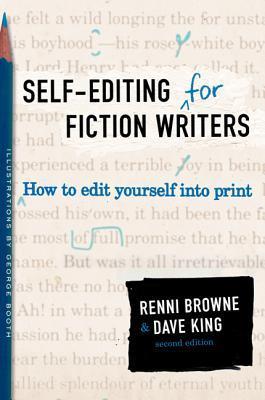
Self-Editing for Fiction Writers: How to Edit Yourself Into Print
by: Renni Browne
Aspiring fiction writers feel stuck in the maze of self-editing, yearning to turn their drafts into stories that truly shine. Just when they’re overwhelmed by advice—grammar rules, endless how-tos—they discover Self-Editing for Fiction Writers, where pro editors Renni Browne and Dave King step in as friendly mentors.
The editors challenge writers to dig beneath the surface, urging them to rethink dialogue, polish exposition, and sharpen point of view. With each practical tip, the stakes grow: authors must confront their habits and fears, risking comfort for genuine growth.
Will these writers embrace tough love and transform into confident storytellers?
"Great writing begins not with what you add, but with what you’re willing to let go."
Let's Break This Down
The Author's Voice
Atmosphere
Practical, encouraging, and down-to-earth
This book radiates a lively workshop vibe—it feels like having a wise, approachable editor at your elbow, ready to point out missteps and celebrate aha moments. The tone never slips into the overly formal or intimidating; expect a friendly environment that invites experimentation and self-discovery. There’s a sense of partnership, not preachiness, so readers feel both supported and gently challenged.
Prose Style
Clear, conversational, and direct
Renni Browne keeps things refreshingly jargon-free. Every sentence aims for maximum clarity; instructions are sharp, examples crisp, and explanations unambiguous. There’s a lightness and warmth to the writing—even the most technical topics get delivered with a wink and a nudge, peppered with humor and relatable anecdotes from the editing trenches. You’ll never get bogged down by dense theory or linguistic showboating.
Pacing
Brisk, organized, and consistently engaging
The book moves at an energetic clip, breaking complex topics into digestible chapters and focused sections. Each chapter builds logically, using plenty of bullet points, checklists, and hands-on exercises, so you always feel like you’re making tangible progress. Nothing overstays its welcome: if a point can be made, Browne delivers it with precision and moves right along, keeping the momentum high from page to page.
Instructional Voice
Supportive, authoritative, yet approachable
You get the strong sense that Browne wants you to succeed. Advice is always informed and rooted in real editorial experience, but there’s no hint of condescension. The voice is that of a mentor who’s seen it all and believes every writer can level up—even if you’re starting from scratch. Expect gentle nudges instead of harsh criticism, and plenty of can-do attitude.
Overall Mood & Rhythm
Energetic, empowering, and refreshingly practical
This isn’t a book for ivory-tower theorists—it’s for hands-on writers hungry for useful, immediately actionable advice. The rhythm zips along, alternating bursts of instruction with concrete examples and quick exercises that make the editing process feel less like a chore and more like a creative partnership. Expect to leave each chapter with tools you’re eager to try—plus a healthy dose of renewed confidence.
Key Moments
- Dialogue makeovers that spark instant character chemistry
- "Show, don’t tell" mantra ruthlessly dissected
- Self-Editing checklists that feel like secret writer’s cheat codes
- Comedy of adverbs—spotting and slashing those “ly” offenders
- Scenes transformed by “beats”—narrative rhythm you can feel
- Hands-on exercises that make you itch to rework your own drafts
- Transitions demystified: goodbye choppy, hello seamless storytelling
Plot Summary
Self-Editing for Fiction Writers: How to Edit Yourself Into Print by Renni Browne and Dave King isn’t your typical narrative-driven tale—it’s a hands-on, workshop-style guide that walks readers through the editing journey from draft to polished manuscript. The “plot” of the book unfolds chapter by chapter, each dedicated to a crucial element of strong fiction, like dialogue, exposition, point of view, and interior monologue. Through real examples (often taken from early drafts), step-by-step checklists, and self-tests, Browne and King essentially “coach” the reader—revealing common writing pitfalls and demonstrating how to fix them. Twists come in the form of surprise revelations about what works (and doesn’t) in actual fiction, and the climax is reached as readers realize the transformation possible through diligent revision. By the end, the resolution is clear: with conscious self-editing, any writer can elevate their storytelling and get that manuscript closer to the publishing world.
Character Analysis
Although this guide isn’t a novel and doesn’t feature traditional protagonists, Browne and King themselves become the main guiding forces—mentors who push, prod, and challenge student writers with wit and practical know-how. Their personalities, ranging from gently encouraging to bluntly honest, are revealed through anecdotes, sharp asides, and the tone of their editor “voices.” If you view writers (the readers) as characters, they start inexperienced or uncertain but, through engaging with the book's exercises, evolve into more self-aware, competent authors who recognize their habits and can dissect their own drafts fearlessly. Motivated by clarity and the desire to help, Browne and King never let readers settle for “good enough.”
Major Themes
One major theme is the empowerment of the writer—Browne’s entire mission is to give writers the tools to take control of their work, rather than relying on outside editors. The book stresses the importance of revision, arguing that writing “happens in the rewrite.” Another central message is clarity over cleverness: the text constantly hammers home that good fiction should be lean, vivid, and authentic, using techniques like showing instead of telling. Through numerous examples, the authors demonstrate how small, focused edits—tightening dialogue, trimming exposition, rethinking point of view—can unlock greater emotional resonance and narrative drive.
Literary Techniques & Style
Browne and King’s style is conversational, humorous, and direct, making complicated editing concepts super accessible—think of it as chatting with seasoned editors over coffee rather than slogging through a textbook. They rely heavily on anecdotes, before-and-after examples, and quick, crafty metaphors (like describing overuse of adjectives as "purple prose") to drive points home. The structure of the book acts as a toolkit, with each chapter focusing on a single editing skill, layered in a way that builds understanding. The inclusion of self-tests and checklists as literary devices is especially engaging, constantly involving readers rather than letting them become passive.
Historical/Cultural Context
First published in 1993, Self-Editing for Fiction Writers emerged during a shift in the publishing world—where more and more writers were either self-publishing or submitting directly without an agent, making self-editing a must-have skill. The advice is shaped by decades of editorial experience and reflects the pressures and standards of late-20th-century American publishing, a time when gatekeepers were starting to expect more polish from manuscripts. It also speaks to the broad DIY culture that’s come to define modern writing, as more writers take creative control from start to finish.
Critical Significance & Impact
Self-Editing for Fiction Writers is considered a cornerstone resource for aspiring writers and creative writing classrooms—it’s been praised for demystifying the editing process and making professional techniques approachable. Its blend of practical tips, real-world examples, and straight-talk has led to an almost cult-like following among writers of all stripes. Even decades after publication, it remains deeply relevant: its advice has shaped how many writers and teachers approach revision, making it a staple on bookshelves and course syllabi everywhere.
Transform your draft into brilliance—edit with a bestselling editor’s eye
What Readers Are Saying
Right for You If
If you’re the kind of person who dreams of seeing your name on the spine of a novel someday, Self-Editing for Fiction Writers is about to become your new best friend. This book is pure gold for:
- Aspiring novelists who want real talk about what makes a story work (and what doesn’t)
- Indie writers and self-publishers looking to polish their drafts before sending them out into the world
- Anyone who loves hands-on writing guides with solid, practical advice instead of vague, artsy inspiration
It’s especially perfect if you write fiction in genres like contemporary, romance, fantasy, thriller, or anything character-driven. If you’re a fan of clear examples and workshop-style exercises, you’ll feel totally at home here. The book really shines when it comes to giving you tools to spot clunky dialogue, over-explaining, or those dreaded info dumps.
On the flip side: If you’re more into poetry, memoir, or super experimental literary fiction, this might not be your jam – it’s aimed squarely at folks writing narrative fiction with recognizably “story” structure. And if you prefer reading about inspiration or creativity rather than practical editing tips, you might find this one a bit too nuts-and-bolts.
But honestly, if you want your stories to have snap, clarity, and polish, or if you’re tired of vague “just write better!” advice, give this book a try. It’s like having a tough-love editor friend by your side, cheering you on and showing you exactly how to make your writing shine.
What You're Getting Into
Thinking about polishing up your novel before sending it into the world?
Self-Editing for Fiction Writers: How to Edit Yourself Into Print by Renni Browne invites you into a practical, hands-on journey through the art of revising your own fiction.
With clear-eyed advice, humorous examples, and real-world exercises, this book is your backstage pass to the secrets pro editors use every day—empowering you to spot weaknesses, tighten up your writing, and turn rough drafts into ready-to-publish stories.
Whether you’re a first-time novelist or a seasoned storyteller aiming to reach the next level, you’ll find relatable guidance, gentle challenges, and a supportive spirit that makes the editing process feel less daunting and a lot more rewarding.
Characters You'll Meet
-
Renni Browne: Co-author and seasoned editor who serves as the book’s expert guide, generously sharing hands-on advice and real-world anecdotes to walk writers through the editing process.
-
Dave King: Co-author and editorial partner, recognized for his sharp eye and practical editing strategies, complementing Browne’s experience with clear, actionable tips for fiction writers.
-
The Fiction Writer (you!): Functionally the everyperson protagonist—this book’s central "character"—the aspiring or seasoned writer being coached, challenged, and inspired to elevate their manuscript.
-
The Unruly Manuscript: An almost character-like presence, this recurring example symbolizes the messy, first-draft efforts writers must learn to tame, prune, and polish using the book’s advice.
-
The "Inner Editor": That critical (sometimes too harsh, sometimes too timid) voice inside every writer, acknowledged throughout as both a help and hindrance in the journey from rough draft to finished novel.
More Like This
Looking for a book that demystifies the nuts and bolts of fiction writing? Self-Editing for Fiction Writers totally channels the approachable clarity readers have come to love in On Writing by Stephen King; both books cut through the noise and offer real-world tips in a voice that feels like sage advice from a friend rather than a distant lecturer. If you found The Elements of Style by Strunk & White useful but a bit dry, Browne’s guide is a breath of fresh air—it expands on those timeless rules with playful examples and a special focus on character and dialogue that fiction writers crave, going beyond grammar to get to the heart of powerful storytelling.
What’s especially fun? Cracking open this book honestly feels a bit like tuning into the razor-sharp feedback sessions in Project Greenlight—there’s that same energetic focus on refining rough drafts, spotting clichés, and transforming “okay” scenes into memorable moments. Brown and King encourage you to roll up your sleeves and make things better, not just technically correct. Whether you’re polishing your first manuscript or coming back for a tune-up, this book is like your own personal writer’s room, complete with red pens, laughter, and those “aha!” moments that make the whole, messy process totally worth it.
Critic's Corner
Have you ever wondered why some manuscripts sing while others stumble, even if the story underneath is gold? Self-Editing for Fiction Writers by Renni Browne and Dave King lands squarely on that essential question: What magic separates the merely written from the truly publishable? This book asserts—often convincingly—that writers can train themselves to spot, dissect, and polish their fiction using the toolkit of the professional editor, not just brute-force grammar checks but nuanced choices that lift voice, pacing, and character onto a whole new plane.
What stands out immediately is Browne and King’s intuitive, conversational writing style—you never feel like you’re slogging through a manual. There’s clarity here, blessedly free of academic jargon, punctuated by lively examples drawn from real manuscripts (including before and after edits). They prioritize recognize-it-in-your-own-writing diagnostics rather than abstract theory. Chapters on topics like Show and Tell, Characterization and Exposition, and the ever-tricky Point of View give hands-on advice—think of it as diagnostic triage, showing you not just what’s gone wrong but why it matters and how to fix it. The exercises prompt genuine self-reflection, and the tone is sharp but encouraging—the “tough-love” mentor rather than the nitpicking grammarian.
Yet, the book’s craft guidance goes beyond basic “how-to” tips. Browne and King dig into the subtle artistry of revision: those tiny, cumulative choices that shape the pace, the emotional charge, the voice of your novel. Their dissection of dialogue tags, for example, feels revelatory (“said” is king!), while their warnings about overwrought exposition and “author intrusion” reflect a deep respect for reader immersion. The accessible language serves not just aspiring beginners but mid-career writers hungry for more polish and nuance.
At its thematic core, Self-Editing for Fiction Writers champions the dignified labor of revising as a form of creative artistry. The book doesn’t just teach repair—it reframes editing as the unsung heart of storytelling, where writers transform private inspiration into something resonant, public, and lasting. The subtext is quietly radical: Anyone, with discipline and self-awareness, can bridge the gap between hobbyist and professional storyteller. The advice around trusting readers—trimming over-explanation, letting subtext breathe—feels particularly timely in a culture flooded with content but starved for subtlety. In its insistence on clear, human prose, Browne and King also counteract the myth that great writing must be complex and overwrought. Their message: Lively, transparent style wins hearts.
Within the world of writing craft guides, this book occupies a distinctive niche. Unlike classics like The Elements of Style (which skews toward general prose), or narrative theory-heavy tomes like John Gardner’s works, Browne and King offer a field guide for the trenches of fiction revision. Its pragmatic, example-heavy approach makes it indispensable for workshop groups, self-taught writers, and even seasoned authors, especially compared to guides that dwell on theory over application.
Are there drawbacks? A few—at times, the focus on genre writing (notably commercial fiction) may leave some literary stylists or experimentalists wishing for more flexible advice. The abundance of examples, while mostly illuminating, can feel repetitive across chapters. Still, for its generosity, warmth, and truly practical guidance,Self-Editing for Fiction Writers is a minor classic, a must-have compass for anyone polishing a novel, hungry to turn rough draft into polished gem.
Community Thoughts
i thought i had editing figured out, but then this book came at me with its checklist and chapter on dialogue. i stayed up late, rewriting everything. now i can't stop seeing adverbs everywhere. help.
so i opened this book expecting just grammar tips but ended up REARRANGING MY WHOLE NOVEL because of one chapter on dialogue. couldn't sleep, kept seeing my characters arguing better. 10/10 would lose sleep again.
I swore I’d just skim but suddenly it’s 2 AM and I’m marking up my own manuscript like a wild editor on a mission. This book absolutely wrecked any sleep routine I had left. Browne’s advice is addictive and brutal in the best way.
i DID NOT expect a book on editing to have me laughing and cringing at my old drafts. Renni Browne makes grammar and clarity feel like a survival sport. Will never look at dialogue tags the same again.
okay but i thought i knew how to edit until browne started talking about dialogue tags and suddenly my brain short-circuited, now i see them EVERYWHERE and can’t stop, send help
Leave Your Review
Local Take
Why It Matters
Self-Editing for Fiction Writers totally clicks with readers here, especially given our vibrant storytelling heritage and respect for meticulous craft.
- Cultural values: The book’s practical, almost hands-on advice matches the local emphasis on mastery through revision—something echoed in our classic literary circles, where every draft is a rite of passage!
- Literary traditions: It nods to the workshopping culture, popularized by both modern writing collectives and historical salons, where peer critique reigns supreme.
- Historical echoes: The push for self-sufficiency and creative autonomy echoes past movements for creative independence, making its "edit yourself" mantra feel especially empowering here.
- Plot points that hit different: Tips on dialogue authenticity and voice resonate more in cultures where nuance, subtext, and reading between the lines are daily communication habits.
If you love the local tradition of polishing stories to perfection but want a fresh, super-approachable toolkit, this one feels like it was written just for our writers’ tribe!
Food for Thought
Notable Achievement / Cultural Impact
Self-Editing for Fiction Writers: How to Edit Yourself Into Print by Renni Browne has become a go-to staple for aspiring and seasoned writers alike, consistently cited as one of the best practical guides for self-editing fiction. Its straightforward tips and hands-on checklists have influenced countless writing workshops and creative writing courses, cementing its reputation as a must-have reference on the bookshelves of novelists, short story writers, and even freelance editors across the globe.
Like what you see? Share it with other readers