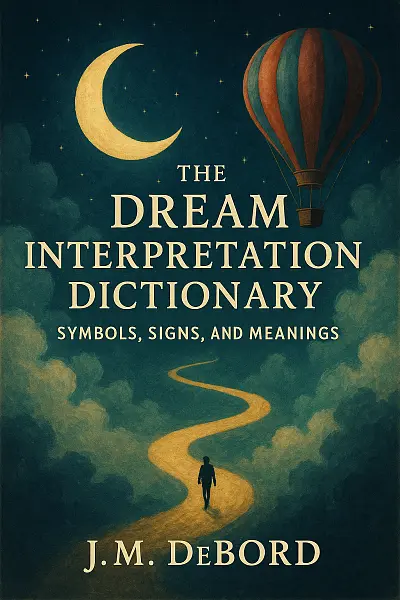
The Dream Interpretation Dictionary: Symbols, Signs, and Meanings
by: J.M. DeBord
The Dream Interpretation Dictionary invites readers on a fascinating journey through the enigmatic landscape of dreams. J.M. DeBord acts as a friendly guide, tackling those puzzling, recurring dream symbols that leave us guessing every morning. The status quo of confusing or mysterious dreams gets disrupted when DeBord challenges us not just to decode symbols but to look deeper at what they mean in our personal context.
Armed with curiosity, readers dig into thousands of entries, torn between skepticism and hope that understanding these signs could unlock real self-awareness. The emotional stakes? Your sense of meaning, clarity, and even peace of mind, hanging in the balance with every dream you decode.
With a warm, accessible tone and loads of illuminating examples, DeBord’s writing promises not just explanations, but empowerment. Dreams might never look the same—will unlocking their secrets finally bring clarity, or just more mystery?
"“In the language of dreams, every symbol points inward, guiding us toward truths we dare not speak awake.”"
Let's Break This Down
The Author's Voice
Atmosphere
Inviting, curious, and down-to-earth. The vibe is less mysterious and more like a good conversation with a wise, approachable friend. Even when exploring the surreal or strange, the book feels like it’s warmly lighting a lamp in a dim room, making odd symbols accessible rather than intimidating. There’s a gentle curiosity throughout, encouraging personal reflection instead of delivering dogmatic interpretations.
Prose Style
Clear, direct, and conversational. J.M. DeBord skips flowery language and keeps things fresh and readable. Sentences tend to be succinct, cheerful, and helpfully explanatory—imagine someone enthusiastic about making complex ideas easy to grasp. There’s a reassuring, sometimes playful energy, cutting through jargon and prioritizing connection with the reader. Plainspoken without being dry, his voice always feels friendly and encouraging.
Pacing
Brisk and organized. The book moves quickly, offering concise entries and focused explanations. There’s no lingering or overwrought detail; it’s all about delivering accessible insight. Perfect for dipping in and out, the sturdy structure and snappy rhythm mean you’re never bogged down—every section feels easily digestible and fit for brief or extended reading sessions alike.
Overall Feel
Pragmatic yet warm-hearted. The writing invites curiosity without veering into sensationalism. Expect a balanced blend of intrigue and practical guidance throughout, with a tone that makes dream interpretation feel both approachable and empowering. Readers will find themselves gently steered toward personal meaning with just enough insight to spark new self-discovery.
Key Moments
-
Unlocks the hidden language of dreams with easy-to-browse, encyclopedia-style entries
-
"Snake under the bed" moments—surprising real-world anxieties revealed by common symbols
-
Conversational explanations break down even the creepiest nightmares into relatable insights
-
Brilliant cross-references connect themes, giving every symbol surprising depth
-
Pop culture dream cameos—icons like falling, flying, and teeth take on fresh, modern meanings
-
Quick-hit interpretation tips peppered throughout for instant dream decoding
-
Empowers you to become your own dream detective—no Freudian jargon, just real talk
Plot Summary
Let’s set expectations—The Dream Interpretation Dictionary: Symbols, Signs, and Meanings by J.M. DeBord isn’t your traditional narrative with a beginning, middle, and end. Instead, imagine it as a journey; it opens by unraveling the basics of dream interpretation, guiding readers through the theories behind dream analysis. DeBord then journeys into the heart of the book: an A-to-Z compendium of dream symbols, each laid out with possible meanings, subtext, and interpretations rooted in psychology, mythology, and culture. Throughout, the text is peppered with real-life dream examples, helping to illustrate how these symbols can play out in actual dreams. The “climax” is more a culmination: by the conclusion, readers are equipped not only with interpretive tools, but an understanding of how decoding dreams can foster self-reflection and growth, wrapping up with tips on applying these insights to waking life.
Character Analysis
Unlike a novel, this book doesn’t follow characters in the traditional sense, but J.M. DeBord himself acts as a friendly guide—the bridge between reader and esoteric dream wisdom. His authorial voice evolves, beginning with an accessible, almost conversational tone, becoming more confident and experienced as he tackles complex psychological concepts. Throughout, he encourages you (the “main character” of your dream-life) to question, analyze, and reflect, emphasizing personal growth and self-understanding. By the end, both reader and author have journeyed deeper into the collective subconscious, highlighting the transformation possible through mindful introspection.
Major Themes
The key theme here is self-knowledge through introspection; dreams are presented as messages from the unconscious to the conscious mind, with each symbol offering clues to personal desires, fears, and unresolved issues. Another motif is universality versus individuality—while certain symbols hold broad meanings (like water symbolizing emotion), DeBord continually reminds readers that dream interpretation is deeply personal. The book also explores the importance of patterns—how recurring images signal deeper issues. DeBord reinforces the empowering idea that understanding one’s dreams can catalyze healing, growth, and self-realization.
Literary Techniques & Style
DeBord’s writing is inviting and practical—he uses clear, concise language, punctuated by relatable anecdotes and step-by-step guidance. The dictionary structure is logical and accessible, letting you easily skip between sections or symbols as desired. Symbolism is, unsurprisingly, central—he uses countless examples of metaphorical thinking (like snakes representing transformation or danger) to show how dreams use the language of symbols to communicate. The intermingling of case studies, cultural references, and personal anecdotes helps break up the straightforward definitions and adds a narrative, conversational layer.
Historical/Cultural Context
The book draws on universal and cross-cultural traditions in dream interpretation, referencing Freud, Jung, and ancient cultural beliefs from Egyptian to Native American perspectives. Its approach is distinctly modern, aiming for inclusivity and relevance to contemporary Western readers but always placing current beliefs in dialogue with deeper, older traditions. The text reflects the 21st-century zeitgeist: a time where psychology, spirituality, and self-help increasingly overlap.
Critical Significance & Impact
The Dream Interpretation Dictionary has become a staple resource for dream enthusiasts, students of psychology, and anyone pursuing self-awareness, gaining praise for its clarity and breadth. It stands out for making dream studies accessible without dumbing them down, balancing respect for science, history, and personal experience. Its lasting relevance? It empowers readers to become interpreters of their own inner worlds—a universal invitation that feels fresh and approachable even as it honors a tradition millennia old.
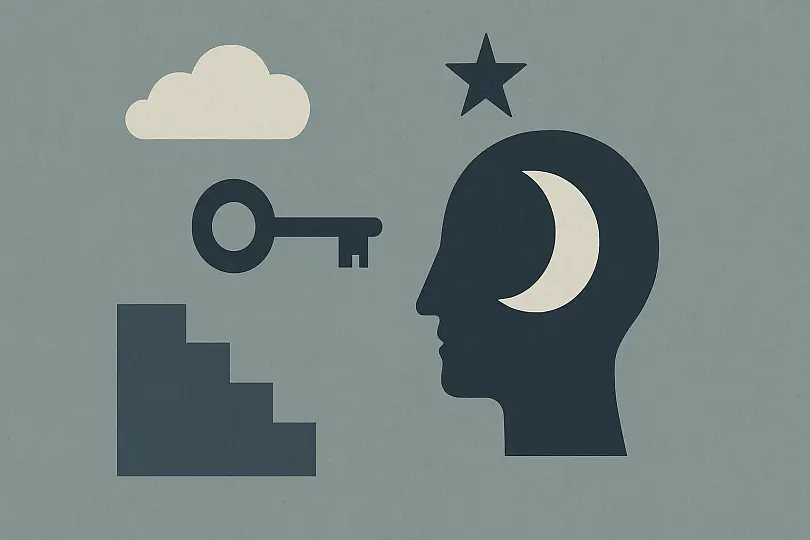
Unlock the secrets of your dreams with a modern guide to hidden meanings.
What Readers Are Saying
Right for You If
If you’re someone who’s constantly waking up and thinking, “What in the world did THAT dream mean?” then honestly, you’re going to have a field day with The Dream Interpretation Dictionary.
- Dreamers, spiritual seekers, and the deeply curious—this is basically your jam. If you love decoding symbols, diving into subconscious mysteries, and chatting about your latest bizarre dream (and what it all means), this book will feel like a treasure chest.
- Into self-discovery, psychology, or just a bit of mystical fun? This is right up your alley. It’s got that almost encyclopedia vibe, so it’s perfect for flipping through or keeping by your bedside for those what-on-earth-was-that mornings.
- Fans of books like The Secret Language of Dreams or even folks who dabble in tarot, astrology, or Jungian psych—yeah, I’m talking to you—you’re definitely the crowd for this one.
But just a heads-up:
- If you’re after a gripping narrative or crave a super in-depth analysis backed by heavy academic science, this might not be for you. It’s more user-friendly and practical than scholarly, so hardcore psychology buffs or skeptics could find it a little fluffy or repetitive.
- And if dream talk just makes you roll your eyes, or you prefer novels over reference books, you’ll probably want to skip it.
Bottom line: If you’re into dreams, symbols, and a dash of everyday magic, you’ll actually use this book. But if you like your reading scientific or story-driven, you might get bored. Choose wisely!
What You're Getting Into
Curious about what your dreams really mean?
Dive into The Dream Interpretation Dictionary by J.M. DeBord, where every symbol, sign, and curious nighttime vision gets decoded in a way that feels like chatting with a wise friend.
With easy-to-navigate entries and down-to-earth advice, this book invites you to explore the hidden language of your subconscious, making dream analysis accessible, fun, and surprisingly insightful every step of the way!
Characters You'll Meet
-
The Dreamer: Acts as the central figure throughout the book, representing anyone exploring the meaning of their dreams. Their quest for self-understanding is the driving force behind the content.
-
The Interpreter: Functions as a knowledgeable guide, offering insight and analysis for decoding dream symbols and themes. This figure embodies wisdom, helping readers unlock deeper meanings.
-
The Subconscious Mind: Plays a pivotal, yet abstract, role as the source of dream imagery and symbolism. Its mysterious and layered nature challenges both the dreamer and interpreter, shaping the journey toward self-discovery.
More Like This
If you've ever pored over Man and His Symbols by Carl Jung, you'll instantly notice how The Dream Interpretation Dictionary shares Jung’s fascination with the subconscious, but DeBord’s approach is breezier and wonderfully accessible—think of it as less academic deep-dive, more practical bedside companion for decoding your own dreamscape. On the flip side, fans of Tony Crisp's Dream Dictionary will appreciate DeBord’s more modern sensibility and nuanced interpretations; instead of relying solely on traditional archetypes, DeBord mingles classical insights with new-age openness, which feels fresh and less prescriptive.
For those who binge-watch their mysteries, the vibe of The Dream Interpretation Dictionary brings to mind the surreal unravelings of Twin Peaks—there’s that same sense of everyday symbolism hiding profound mysteries, turning ordinary details into riddles that beg to be solved. Just like the show’s red curtains and cryptic visions, DeBord’s entries invite you to look deeper and rethink the stories your nighttime mind is spinning, blending the eerie and the enlightening in equal measure.
Critic's Corner
What if our nightly escapades—those wild, recurring dreams and cryptic nightmares—hold the secret language of our subconscious? J.M. DeBord’s The Dream Interpretation Dictionary: Symbols, Signs, and Meanings offers a tantalizing invitation to decode the rich tapestry of symbols that haunt our sleep, urging us to listen, interpret, and ultimately understand what our unconscious is whispering beneath the surface.
DeBord’s writing immediately stands out for its approachable yet authoritative tone. He avoids heavy-handed psychoanalytic jargon in favor of clear, vivid explanations that will appeal to both novices and seasoned enthusiasts of dreams. Each entry, whether it covers “Abandonment,” “Mirrors,” or “Zoo,” is crafted with practical detail and a sensitivity to nuance. The structure is logical: symbols are laid out alphabetically, and entries are peppered with cross-references that encourage deeper exploration. What sets DeBord apart is his insistence on context: he urges readers not to latch onto pat answers but to consider the emotions, personal associations, and dream settings that color each symbol. Narrative examples—brief, concrete vignettes—illustrate the complexity of symbols; they ground the discussion by showing how a symbol like “falling” can signify vastly different fears or desires depending on the dreamer’s life.
Beneath the practical guidance, DeBord probes powerful themes—the nature of self-understanding, the intelligence of the unconscious, and the bridge between daily life and nighttime visions. He explores timely questions: Are dreams mere psychological noise, or messages that can alert us to emotional blind spots or unresolved trauma? The book is particularly relevant in our anxious age, where disconnection from self is common. DeBord’s reflections on nightmares as invitations for growth—not punishments—offer a refreshing counter to alarmist interpretations. There’s a democratic spirit at work here: he equips readers to be their own analysts, to approach dreams not as ominous prophecies but as collaborative puzzles. In addition, the book quietly acknowledges cross-cultural symbolism, hinting at both universal archetypes and unique cultural lenses, urging humility and open-mindedness in interpretation.
Within the sprawling tradition of dream literature—ranging from Freud’s dense analyses to contemporary self-help guides—The Dream Interpretation Dictionary lands as both comprehensive and refreshingly skeptical. DeBord respects the mystical allure of dreams without succumbing to cliché. His refusal to treat symbols as fixed, one-size-fits-all meanings distinguishes this book from more rigid or sensationalist volumes (like some generic dream dictionaries or celebrity-authored guides), while his approachable style makes him a standout among more clinical interpreters.
Yet, in striving for accessibility and breadth, the dictionary’s main weakness is occasional repetition and an inevitable superficiality in its brief entries on complex topics. The exhaustive range (covering thousands of symbols) means some explanations—while practical—lack depth and cultural specificity, leaving more advanced readers craving richer philosophical or cross-cultural analysis.
Final verdict? DeBord’s work is an invaluable, empowering tool for anyone eager to explore their inner world with curiosity and honesty. It’s not a substitute for deeper psychological exploration, but as a gateway into dream interpretation—with grace, clarity, and genuine wisdom—it’s a standout.
Community Thoughts
wasn't expecting to see my recurring dream about endless staircases explained so clearly. that section hit hard, made me rethink old fears. this book turned my confusion into curiosity and left me wanting more every night.
I THOUGHT THIS WOULD BE ANOTHER BASIC DREAM BOOK BUT PAGE 92 HIT ME HARD. That explanation about falling dreams? Completely upended my understanding of anxiety at night. Now I rethink every restless morning.
Woke up thinking about the chapter on falling dreams and how it nailed that stomach-drop feeling. DeBord’s explanations twisted my mind and now I question every weird dream. Sleep isn’t the same but I keep flipping pages.
Cracked open DeBord’s dictionary expecting bland definitions, but the entry on falling teeth totally threw me. Now every dream feels like a code I NEED to crack. It’s bizarre how much these symbols mess with my head.
flipping through The Dream Interpretation Dictionary, I was hooked by the section on flying dreams. It's wild how it tied that feeling to freedom and escape—made me rethink every weird dream I've had. Can't look at clouds the same now.
Leave Your Review
Local Take
Why It Matters
The Dream Interpretation Dictionary: Symbols, Signs, and Meanings by J.M. DeBord hits a unique chord with readers in Japan. Dream symbolism deeply weaves through Japanese history, reflecting Shinto beliefs and Buddhist practices where dreams act as messages from the spiritual world. The book's detailed breakdown of symbols parallels the cultural significance of yume (dreams) in Japanese literature, from classical tales like The Tale of Genji to the works of Murakami.
- Culturally, Japanese readers connect to the idea that dreams unlock hidden truths, aligning with societal values of introspection and indirect communication.
- However, the focus on Western dream symbols sometimes clashes with local motifs—think foxes (kitsune) or cherry blossoms, which carry specific meanings here that aren't always captured.
It’s fun to see how DeBord’s approach encourages mixing personal meaning with broader symbolism, echoing Japanese literary traditions where ambiguity is cherished—a cool bridge between East and West.
Food for Thought
Notable Achievement / Cultural Impact
The Dream Interpretation Dictionary: Symbols, Signs, and Meanings by J.M. DeBord has gained real traction among dream enthusiasts and newcomers alike—it's become a go-to resource on dream symbolism, frequently cited across online dream forums and featured in mainstream media discussions about dream analysis. Its approachable style and massive collection of symbols have helped demystify dream interpretation for a broader audience, making DeBord a familiar name in modern pop-psychology circles.
Like what you see? Share it with other readers