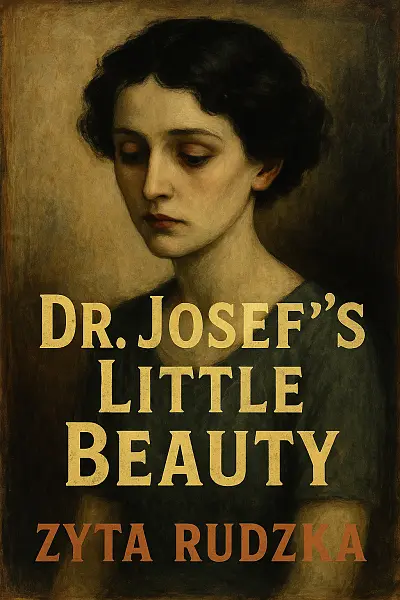
Dr. Josef's Little Beauty
by: Zyta Rudzka
Leokadia and Helena, two elderly sisters, live side by side in a suffocatingly hot Warsaw retirement home, their days heavy with shared memories. Helena, haunted yet stubborn, recalls the summer she was torn from innocence—when at just twelve, she caught the chilling attention of Dr. Josef Mengele in a German concentration camp.
The sisters’ reality cracks open as Helena’s memories escalate: Did her connection to the notorious "angel of death" save them, or curse them with survivor’s guilt? Together, they’re forced to grapple with shame, envy, and the dark side of survival.
Rudzka’s raw, lyrical style thrums with restless tension, daring us to ask: Can the sisters ever make peace—or will the past consume them for good?
""In a world carved by memory and silence, even the smallest tenderness becomes an act of rebellion.""
Let's Break This Down
The Author's Voice
Atmosphere
Moody, intimate, and at times unsettling. Rudzka crafts a world where the ordinary is tinged with menace and absurdity. Every scene buzzes with a peculiar tension—claustrophobic rooms, flickering lights, and characters pressed tightly together. The ambiance is darkly comedic, never allowing readers to fully relax, yet never quite plunging into outright despair. Expect a sense of foggy uncertainty, as if you're peering at the world through warped glass.
Prose Style
Sharp, idiosyncratic, and fiercely original. Rudzka's sentences are deliberately jagged, sometimes fragmented, always bursting with personality. Dialogue crackles with sly wit and irony, often skating the line between the poetic and the brutally plain. There's a rhythm here—short bursts and long, meandering lines—that mimic the halting, anxious energy of the characters. The voice can shift in an instant from deadpan humor to biting clarity, all laced with subtle sarcasm.
Pacing
Measured, tightly wound, and often unpredictable. The plot doesn't sprint—it unfolds in staccato beats, sometimes lingering on a moment or jumping ahead unexpectedly. There’s a sense of deliberate tension-building, with pauses that let the atmosphere settle, only to jolt the reader with sudden reveals or surreal intrusions. It’s not a book for those craving constant action, but perfect if you love to soak in strange, simmering details.
Character Perspective
Closely inhabited, unreliable, and darkly funny. Narration is filtered through skewed, often claustrophobic viewpoints. Characters reveal themselves in drips and splashes—through what they choose to share, withhold, or joke about. There's a deep dive into the psyche of the marginalized and wounded, making for an intimate yet off-kilter reading experience.
Mood & Tone
Wry, bleak, and brimming with biting humor. Every page pulses with a strange blend of empathy and mockery. The tone unsparingly pokes fun at human absurdity, yet never feels heartless—there’s always a thread of tenderness knotted beneath the cynicism.
Language & Imagery
Unflinching, evocative, and sometimes grotesquely beautiful. Expect metaphors that surprise and unsettle, with bodily imagery and sensory detail used to startling effect. Even the most mundane objects and actions are filtered through an unusual sensibility, making the world of the novel at once familiar and bizarre.
If you’re drawn to sharply drawn, offbeat voices and enjoy fiction that’s both unsettling and slyly humorous, Dr. Josef’s Little Beauty will pull you right into its strange, unforgettable spell.
Key Moments
- Wickedly sardonic inner monologues unraveling wartime trauma
- “Dr. Josef” – a haunting presence, both savior and destroyer
- Unflinching prose: grim humor meets raw vulnerability in every chapter
- Sisters clinging to dignity in a haze of morphine and memory
- Unforgettable climax: the line between victim and accomplice blurs
- Vivid sensory details—so tactile you can almost taste the despair
- A fiercely original take on survival, guilt, and grotesque beauty
Plot Summary
Dr. Josef’s Little Beauty follows the haunting journey of Ada, a traumatized survivor of Josef Mengele’s infamous experiments at Auschwitz. The novel alternates between Ada’s life after liberation, as she tries to navigate a broken postwar world, and flashbacks to her horrifying experiences in the camp under Mengele’s cruel manipulations. The story builds as Ada, marked both physically and mentally, attempts to rebuild her identity amidst overwhelming guilt, shame, and societal misunderstanding. The climax arrives when Ada confronts both her literal and metaphorical ghosts in a tense confrontation with her memories and the lasting legacy of Mengele’s actions. Ultimately, the resolution is bittersweet: Ada achieves a degree of personal reckoning, but the deep scars of her trauma linger, underlining the lingering effects of historical atrocities.
Character Analysis
Ada stands at the novel’s emotional core—a portrait of resilience and fragility. Initially, she is withdrawn and almost numb, the product of invasive violations and severe physical and psychological wounds. Over the course of the story, Ada’s arc moves from passive endurance to a complex reckoning with her past: she struggles with survivor’s guilt, fleeting hope, and flashes of defiance that drive her towards partial healing. Dr. Josef Mengele, though not always present on the page, remains a chilling, inescapable figure whose influence shapes Ada's every action. Secondary characters—like Ada’s fellow survivors and well-meaning but intrusive doctors—offer a spectrum of responses, from compassion to incomprehension, further deepening Ada’s isolation and search for meaning.
Major Themes
At its heart, the novel explores trauma and survival: Ada's struggle embodies the ways trauma defines, distorts, and sometimes shatters identity. The theme of memory and repression is ever-present, with Ada’s flashbacks conveying both the horror and the inescapability of her experiences ("She remembered his hands, cold as the steel of the table"). Another key theme is the morality of science—through Mengele’s figure, the novel exposes the nightmare consequences when supposed scientific advancement ignores basic humanity. Finally, there’s an ongoing meditation on shame and the search for dignity, as seen in Ada’s complicated relationship with her body, herself, and others.
Literary Techniques & Style
Rudzka writes in a stark, unflinching prose laced with dark lyricism; sentences are often short, rhythmic, and almost clinical, echoing Ada’s fragmented mindset. The narrative structure jumps between time periods, using nonlinear flashbacks to mirror the chaos of memory and the persistence of trauma. Symbolism is crucial—Ada’s scars, for example, are both literal marks of torture and metaphors for indelible psychic pain. There’s frequent reliance on metaphor (her body as a map of grief, the recurring motif of hands as tools of both care and violence), heightening the novel’s emotional punch.
Historical/Cultural Context
Set in post-WWII Poland and the shadow of Auschwitz, the novel plunges readers into the specific horrors faced by Holocaust survivors, especially those who endured inhuman medical experiments. Rudzka draws on the historically documented crimes of Josef Mengele, using these as both backdrop and central trauma. The societal stigma Ada faces in peacetime further highlights the difficulties of reintegration for survivors amid a culture eager to forget or move on.
Critical Significance & Impact
Dr. Josef’s Little Beauty is celebrated for its fearless portrayal of taboo subjects and its empathy for deeply wounded survivors. Critics praise Rudzka’s original voice, her psychological insight, and her innovative narrative structure, though some find the novel’s intensity and grimness overwhelming. The book stands as an important literary reckoning with the unspeakable aspects of history, keeping alive painful truths that still demand acknowledgment and reflection.
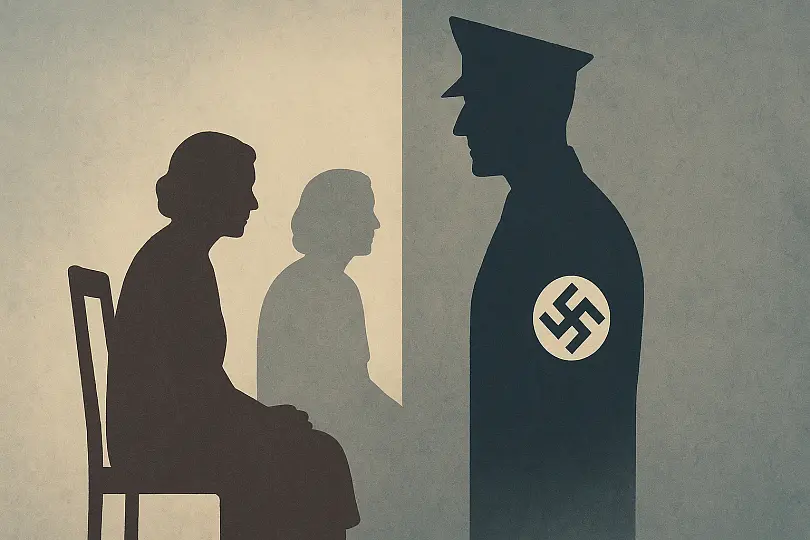
Madness and memory collide in a darkly poetic postwar asylum tale
What Readers Are Saying
Right for You If
If you love books that dig deep into unsettling psychological territory and don’t shy away from dark, provocative themes, Dr. Josef’s Little Beauty is totally up your alley. This one’s perfect for fans of literary fiction—the kind that isn’t afraid to probe the twisted corners of human nature. If you’re into stories that make you uncomfortable on purpose and force you to confront tough questions, you’ll probably be hooked.
- Dark historical drama nerds—honestly, this is right in your wheelhouse, especially if you’ve ever found yourself drawn to WWII fiction that doesn’t sugarcoat things.
- If you appreciate novels that are more about the vibe and the psychology than a plot that speeds along, then you’ll likely love Rudzka’s style.
- Character study enthusiasts—folks who get a kick out of complex, morally ambiguous protagonists (and antagonists), you’ll find plenty to chew on here.
But heads-up!—if you need likeable characters or a hopeful, feel-good ending, you’ll want to skip this one. It’s pretty bleak and unsettling, and the writing can get intense—sometimes raw or even disorienting on purpose. Also, if you’re not into novels that linger in discomfort or deal with disturbing subject matter, no shame in passing; there are gentler books out there.
Bottom line:
If you like your fiction daring, deeply psychological, and aren’t afraid of books that go to dark places, Dr. Josef’s Little Beauty will stick with you long after you finish. But if you prefer straight-up entertainment or lighter themes, this one might just not be your vibe—and hey, that’s totally fine!
What You're Getting Into
Step into the chilling world of Dr. Josef's Little Beauty by Zyta Rudzka, where the shadowy corridors of postwar Poland pulse with secrets and suppressed memories. When a peculiar patient arrives at a crumbling psychiatric hospital, the rigid but unraveling Dr. Josef must confront unsettling truths about himself and the cost of survival. Darkly atmospheric and laced with dark humor, the novel invites readers to question reality, sanity, and the very nature of beauty.
Characters You'll Meet
-
Pani Doktorowa (Dr. Josef's wife): Central narrator grappling with widowhood and old age, her reflections and memories shape the narrative's emotional depth.
-
Dr. Josef: The late husband whose professional reputation and personal relationships linger over the plot, shaping Pani Doktorowa’s identity and regrets.
-
Milka: A lively female companion in the old folks’ home, she challenges and animates Pani Doktorowa’s routine, bringing moments of humor and confrontation.
-
Anna: The dedicated nurse whose tenderness and care provide a stark contrast to the institution’s bleakness, often prompting the protagonists’ vulnerability.
-
The Administrator: Represents institutional authority and indifference, serving as a foil to the residents’ attempts at agency and dignity.
More Like This
If A Little Life by Hanya Yanagihara made you ache with its portrayal of endurance and complicated bonds, Dr. Josef's Little Beauty will strike a similar chord—unspooling layered trauma and resilience with raw sensitivity, but filtered through a uniquely Polish lens and biting wit that keeps the emotional weight from sinking you completely. Its stark, poetic examination of memory and survival also calls to mind the unnerving precision of Never Let Me Go by Kazuo Ishiguro, where the past is never quite past and the line between victim and survivor blurs beautifully.
Fans of unconventional female protagonists like those in Olga Tokarczuk's Drive Your Plow Over the Bones of the Dead will find familiar delight in Dr. Josef’s sharp-eyed, darkly humorous narrative voice. There’s the same undercurrent of rebellion, the sharp critique of social norms, and a glimmer of gothic mischief lurking at the story’s edges.
And for those who binge-watched The Handmaid’s Tale, Rudzka’s novel channels that same claustrophobic intensity—not in a dystopian sense, but in its deep dive into women’s bodies as contested spaces, and the stubborn flicker of autonomy that survives even the worst trials. The mood is intimate, a bit haunting, and every bit as unforgettable.
Critic's Corner
What do we owe our memories, and what do they ultimately make of us, especially when survival is colored by both victimhood and complicity?
Dr. Josef’s Little Beauty by Zyta Rudzka rips open the thick skin of collective trauma, forcing us to sit with history’s most uncomfortable questions: does the liminal line between abuser and survivor ever truly disappear, and how do the stories we tell ourselves help or haunt us in our final years?
Rudzka’s writing is startlingly physical—her prose radiates with the feverish heat that saturates the retirement home, mirroring the oppressive weight of the past borne by Leokadia and Helena. The narration drifts between piercing lyricism and bitter humor, with snaps of black comedy that feel both liberating and deeply unsettling. Dialogue zings with barbed edges; monologues drift in and out of lucidity, blurring time and consciousness in a way that feels authentic to the elderly voices she channels. Her stylistic choice to eschew sentimentality is breathtaking: the language is raw, at times almost abrasive, yet never gratuitous. Especially remarkable is Rudzka’s ability to anchor her characters’ memories in physical sensations—an aching hip, the taste of cheap tea, the stifling air—as if trauma is not merely recalled but embodied. Above all, the shifting perspectives and meandering reminiscences are handled with such deliberate care that the novel’s form itself becomes a meditation on how memory is fragmented and reconstructed.
At its burning core, Dr. Josef’s Little Beauty confronts survival’s cost. Rudzka refuses the comforts of moral clarity; instead, she muddies memory with questions of guilt, gratitude, and warped pride. What does it mean to have been “chosen” by a monster? For Helena, her “rescue” is an ambiguous gift, one that grants physical survival but leaves behind scars that cannot be named. The sisters’ banter toggles viciously between love and resentment, as their childhood salvation haunts every adult interaction. Through their rivalry and shared pain, Rudzka interrogates what it means to live in the aftermath of atrocity, especially when history refuses to offer tidy closure. The resonance with contemporary anxieties about memory—collective and personal—gives the novel extraordinary urgency. In a world increasingly obsessed with performance and narrative ownership, the specter of Dr. Mengele’s perverse “selection” evokes the horror of being remembered for the very circumstances of one’s trauma.
Within the tradition of postwar Polish literature—think Olga Tokarczuk’s probing mythologies or Tadeusz Borowski’s searing realism—Rudzka forges her own brand of caustic intimacy. Unlike most Holocaust novels that seek resolution or redemption, she risks alienating readers by refusing to absolve, soften, or universalize. Her focus on post-memory and the lifelong aftermath makes this novel a vital, if unsettling, addition to the ongoing dialogue about survival literature.
If there is a flaw, it’s a byproduct of ambition: the narrative risks alienation through its jagged, impressionistic structure, and secondary characters sometimes dissolve into abstraction. Yet this is a small price for such artistic honesty. Rudzka’s novel is a bracing, deeply uncomfortable triumph—the rare book that sits with you, fever-hot, long after you’ve turned the last page.
Community Thoughts
Can't stop thinking about the way Rudzka describes the hospital room—so clinical, yet every sentence vibrates with this weird, electric dread. Dr. Josef's Little Beauty totally messed with my head and kept me up way too late.
What just happened? I finished Dr. Josef’s Little Beauty and now I keep thinking about the way the nurse stood at the window, her silence louder than any scream. Did I miss the point or did the point miss me?
didn't expect to be haunted by Mrs. Wawrzyniak, yet here I am, thinking about her at 3am. Zyta Rudzka spun my mind in weird circles. i kept reading, hoping for sleep, but her presence is still lurking.
I CAN'T STOP THINKING ABOUT ELFRYDA. her voice crawled under my skin and built a home. She’s fierce, brittle, and just won’t leave my mind. Dr. Josef’s Little Beauty is sharp, twisted, truly unforgettable.
did anyone else get stuck on that scene where the nurse calmly folds her memories like sheets? couldn’t stop picturing it. the eerie tenderness clung to my dreams for days after. rudzka’s writing just crawls under your skin.
Leave Your Review
Local Take
Why It Matters
Dr. Josef’s Little Beauty by Zyta Rudzka strikes a deep chord in Polish readers, tapping into Poland’s fraught WWII memory and ongoing reckoning with trauma. The novel’s intimate exploration of survivors mirrors real-life stories passed down through families, especially as Poland still contends with the scars left by both Nazi occupation and Soviet domination—paralleling the novel’s oppressive atmosphere.
- Cultural values like stoic endurance, ironic humor, and a skeptical view of authority shine through, echoing classic Polish works from writers like Tadeusz Borowski or Gustaw Herling-Grudziński.
- Rudzka’s focus on female agency and survivor solidarity clashes with traditional, male-centric war narratives, refreshing but sometimes unsettling for older readers.
Certain plot points—like patient resistance or darkly comic moments—hit differently here, given the national tendency to use irony as a shield against pain. Overall, the novel both honors and gently subverts Poland’s literary and historical legacy, making it all the more resonant and provocative.
Food for Thought
Notable Achievement:
Dr. Josef's Little Beauty by Zyta Rudzka won the prestigious Nike Literary Award in 2023, solidifying its reputation as a standout in contemporary Polish literature and sparking vibrant discussions about its portrayal of memory, trauma, and the legacy of history.
Like what you see? Share it with other readers