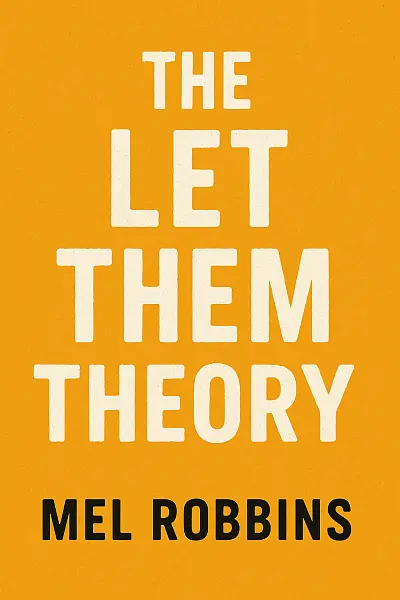
The Let Them Theory
by: Mel Robbins
Mel Robbins feels boxed in by others’ expectations, constantly hustling to manage relationships, work, and her own happiness. Everything shifts when she stumbles upon the empowering “Let Them” mindset, challenging her to stop controlling what she can’t.
Suddenly, she faces a new reality: can she actually release her grip and focus on herself, even if that means risking disapproval, conflict, or letting go of toxic cycles? The emotional pull is real—freedom and authenticity are on the line, but so is her sense of belonging.
Accessible, warm, and loaded with practical wisdom, this read sparks the big “will she or won’t she” question.
"Freedom begins the moment you stop controlling others and start trusting yourself."
Let's Break This Down
The Author's Voice
Atmosphere
Uplifting and Energizing
- The book exudes a you-can-do-it spirit, wrapping readers in an atmosphere that's equal parts pep talk and warm encouragement.
- Expect a mood that’s relentlessly positive, reassuring, and candid—like chatting with a friend who genuinely wants what’s best for you.
- There's little pretense, just an honest, direct vibe that quickly feels familiar and trustworthy.
Prose Style
Conversational, Relatable, and Punchy
- Robbins writes in crisp, bite-sized bursts, using lots of direct address (“you,” “your,” “let's”) to pull the reader in.
- Her wording is plainspoken, sometimes colloquial, always easy to digest—think short anecdotes, memorable catchphrases, and the odd dash of humor.
- No meandering or dense passages here; the language is clear, unembellished, and laser-focused on delivering actionable wisdom.
Pacing
Fast-Moving and Accessible
- Chapters are snappy and move at a brisk clip, rarely bogging down in overlong explanations.
- The structure encourages quick reading sessions—you won’t get lost or feel overwhelmed, even if you pick it up for just five minutes at a time.
- Robbins keeps the momentum up by shifting swiftly between personal stories, practical tips, and punchy takeaways, so the energy never flags.
Overall Feel
Motivational, Candid, No-Nonsense
- The book is designed to motivate and empower, without ever sugarcoating the reality of lasting change.
- Robbins’ style isn’t about lofty theory—it’s about tangible, immediate advice, grounded in everyday language.
- Readers craving ultra-deep introspection or literary beauty may find it too straightforward, but if you want clarity, encouragement, and a friendly push forward, this approach nails it.
Key Moments
-
"That jaw-dropping airport meltdown where Mel just lets go—total game-changer!"
-
"Pages practically humming with Mel’s signature, get-real storytelling—honest, punchy, and so ridiculously relatable."
-
‘Let Them’ mantra dropped in the middle of family chaos—suddenly, people-pleasing isn’t the only way out.
-
"If they're gonna judge, let them!"—that one line hits like a self-help mic drop.
-
Mini-victories and messy setbacks woven through chapters—making you root for your own boundaries, not just Mel’s.
-
Real talk: Her vulnerable confessions about seeking control and approval—it stings, but it also heals.
-
That late-night text scene? Tears, laughter, and so much permission to finally stop hustling for others.
Plot Summary
The Let Them Theory by Mel Robbins is a self-help book that follows Mel’s journey as she confronts the controlling tendencies that hold her back from genuine happiness. Early on, she shares several anecdotes from her personal and professional life where trying to influence others led to frustration and disappointment. The central “Let Them” principle—letting people do what they want without trying to manage their reactions—gains traction as Robbins tests this philosophy with friends, family, and work scenarios. As she applies this theory, she experiences setbacks, moments of doubt, and ultimately, transformative breakthroughs in self-awareness and relationships. By the end, Robbins’ perspective has shifted: she achieves more authentic connections and contentment, resolving to embrace uncertainty and autonomy—for herself and others.
Character Analysis
Mel Robbins acts as both storyteller and protagonist, candidly exposing her initial drives for control and her struggle with anxiety around others’ opinions. Through practical experiments and honest self-reflection, Mel evolves—her growth is apparent in how she transitions from seeking external validation to trusting herself more deeply. Supporting “characters” (friends, family, colleagues) aren’t deeply developed as independent personalities; rather, they serve as reflections of common interpersonal challenges, showing how Mel’s mindset shift impacts real relationships. At the heart of the book is Mel’s internal transformation: her learning to release control and find peace with letting things unfold.
Major Themes
A major theme is the illusion of control: Robbins illustrates how trying to micro-manage others’ behaviors or feelings is both exhausting and ultimately futile. Personal freedom and boundaries are also front and center, as Mel encourages readers to respect others’ autonomy while prioritizing their own well-being. A recurring message is that discomfort is a natural part of growth—in letting people “be,” one learns acceptance, resilience, and confidence. The tone is practical and empowering, peppered with real-world examples, such as Mel’s stories about family disagreements or business decisions, underscoring the book’s actionable advice.
Literary Techniques & Style
Mel Robbins’ writing is direct, conversational, and filled with anecdotes that make abstract concepts relatable. She frequently employs rhetorical questions and repetition to drive her points home (the refrain “Let them” becomes a motif). Metaphors like “dropping the rope” symbolize the act of releasing control and are sprinkled throughout the narrative for emphasis. While the structure is mostly chronological, Robbins intersperses reflection and lesson summaries at key moments, creating a practical guidebook feel rather than a linear memoir.
Historical/Cultural Context
Written in the early 2020s, the book reflects a wider cultural embrace of self-help, mental health awareness, and boundary-setting. In a post-pandemic world grappling with anxiety, isolation, and shifting priorities, Robbins’ work speaks to a society hungry for practical ways to manage stress and improve relationships. The rise of social media’s impact on self-esteem and social comparison also underscores Robbins’ emphasis on detaching from others’ judgments.
Critical Significance & Impact
The Let Them Theory stands out in the crowded self-help genre for its simplicity and catchiness—“let them” is an easy-to-remember mantra that’s resonated widely. Critics praise Robbins’ approachable style and vulnerability, though some academics note its lack of deep psychological analysis. The book’s message continues to permeate online spaces, fueling discussions about boundaries, authenticity, and emotional self-reliance, making it especially relevant for students and young adults navigating relationships and identity.

Unlock freedom by letting go—Mel Robbins’ radical path to inner peace.
What Readers Are Saying
Right for You If
If you love books that feel like a pep talk from your sharpest, most straightforward friend, The Let Them Theory is totally your vibe. This one’s especially for folks who can’t stop worrying what others think, or find themselves stuck bending over backwards for everyone else’s expectations. If you’re into personal growth, mindset shifts, or anything under the self-help and motivation umbrella, Mel Robbins is basically speaking your language here.
- Perfect pick for:
- Anyone who’s obsessed with self-development podcasts and TED talks
- Busy people craving quick, actionable advice (the chapters go down easy!)
- Readers who love tough love mixed with a lot of encouragement
- People who need a nudge to finally let go of toxic approval-seeking vibes
- Fans of authors like Brené Brown, Jen Sincero, or Mark Manson
Seriously, if you find yourself replaying awkward conversations or wondering "what will they think?" all the time, this book will hit home and probably help you loosen your grip.
But let’s be real—if you’re not a fan of the self-help genre, or you prefer stories, deep philosophy, or more subtle literary approaches, you might not click with this one. Some people might find the advice a little repetitive or wish for more data-backed insights, too. If you roll your eyes at personal anecdotes or motivational catchphrases, you’re better off skipping it.
Bottom line? If you want some permission to let other people’s opinions go and need it served up with some classic Mel Robbins energy, go for it. If you’re looking for the next big novel or something super analytic, this probably isn’t your jam.
What You're Getting Into
Get ready for a game-changer in self-help!
Have you ever felt held back by other people’s opinions or weighed down by unnecessary expectations? "The Let Them Theory" by Mel Robbins dives into the liberating idea of letting go—encouraging readers to embrace their own path while learning not to internalize the drama or criticism of others. With Mel’s signature warmth and wit, this empowering read sparks real talk about boundaries, self-worth, and what it truly means to be free—perfect for anyone craving refreshing honesty and actionable motivation.
Characters You'll Meet
-
Mel Robbins: Insightful narrator and guide whose candid reflections and relatable anecdotes anchor the book; she models vulnerability and growth, inviting readers to embrace the "let them" philosophy in their own lives.
-
Chris Robbins: Supportive partner whose reactions and perspectives highlight the realities of relationship boundaries; his role often provides both conflict and warmth, deepening Mel’s exploration of letting others be themselves.
-
Audience Members/Readers: A composite of advice-seekers whose real-life questions and struggles drive much of the narrative and themes; they serve as stand-ins for the reader, emphasizing the universal applicability of the book’s message.
-
Mel’s Inner Critic: A recurring presence representing self-doubt and old patterns, providing tension and insight as Mel navigates her journey toward self-acceptance and letting go of control.
More Like This
If The Let Them Theory by Mel Robbins had you gripped by its liberating message, you'll definitely feel the same spark you did with Untamed by Glennon Doyle. Both books offer a refreshingly candid take on setting boundaries and stepping fully into your own life—only, where Doyle leans into raw memoir, Robbins delivers her advice with actionable pep and a steady drumbeat of encouragement. It's like having lunch with your most motivational friend, rather than digging through the diary of a wise confidante.
Fans of Mark Manson’s The Subtle Art of Not Giving a F*ck will also find familiar ground here, especially in Robbins’s no-nonsense attitude about letting go of what you can't control. Where Manson wields irreverence and tough love, Robbins goes for pragmatic optimism—think less philosophical, more cheerleader-with-a-to-the-point-playbook. Yet both offer that same lightning bolt of permission to stop taking on other people's problems.
And for those who love stories on-screen, there’s a touch of Ted Lasso woven through Robbins’s narrative. Not only does she champion radical acceptance and positive thinking, but she also tempers her wisdom with warmth and humor—reminding us, much like Ted’s locker room talks, that the secret to happiness is often letting people just be who they are, even if it means cheering them on from the sidelines.
Critic's Corner
Have you ever stopped to wonder how much of your daily energy is spent wrestling with the expectations, opinions, and drama of others? That’s the radical question Mel Robbins asks at the heart of The Let Them Theory—a book that cuts straight to the quick of modern anxieties about control and self-worth. In a world obsessed with productivity hacks and endless self-optimization, Robbins flips the script: What if happiness is as simple as letting people be who they are—and letting yourself be you?
Robbins’s writing is crisp, conversational, and fiercely direct, echoing the authenticity that’s made her a household name. She skillfully blends personal anecdotes with accessible scientific insights, using real-life stories to illuminate the “let them” ethos without drowning the reader in self-help platitudes. Her language is uncluttered—she prefers sharp, everyday phrasing over jargon, which makes the book feel intimate and actionable. Each chapter opens with a punchy hook and drives forward with pace, ensuring the narrative never loses its momentum. The strategic integration of quick takeaways and expert interviews adds layers of credibility, all while keeping things relatable—imagine having coffee with a friend who quotes psychology studies and also admits she struggles just like you.
The core theme—that freedom and fulfillment come from relinquishing control over others—could have easily felt over-simplified, but Robbins digs deeper. She explores how our need to manage others is rooted in fear, vulnerability, and cultural scripts about success and belonging. The book’s greatest strength lies in its timeliness: with online lives amplifying comparison and judgment, Robbins’ argument that we reclaim our power by simply “letting them” resonates deeply. She deftly navigates modern dilemmas—social media, toxic friendships, workplace stress—with a sense of urgency, asking questions that feel both personal and universal: Can we truly pursue our own happiness if we’re always monitoring others’ approval? How do we set boundaries without becoming isolated? The honesty with which Robbins addresses self-doubt and fear of missing out gives her theory a grounded, humane appeal.
Within the self-help genre, The Let Them Theory distinguishes itself by mixing the tough love of Brené Brown with the approachable clarity of James Clear, but it’s Robbins’s willingness to share her own imperfections that sets her apart. While the premise echoes classic teachings on control and acceptance, Robbins reinvents it for today’s reader—fast-paced, overstimulated, and hungry for genuine solutions, not just motivational fluff. In the arc of her career, this feels like her most personal and culturally relevant book yet.
Still, there are moments where the simplicity of the “let them” mantra risks veering into oversimplification. Not every relationship problem, workplace conflict, or wound can be fixed by letting go. Some readers may crave more nuanced strategies beyond “let them.” Yet, the book’s emotional punch and practical guidance are undeniable. For anyone exhausted by endless striving and second-guessing, Robbins delivers a vital, liberating message—one that couldn’t feel more urgent or empowering right now. This is self-help that’s genuinely worth letting in.
Community Thoughts
Wow, that part where Robbins just says "let them" if people want to go—total mind-bender. I kept thinking about everyone I’ve tried to control. Can’t get that line out of my head, honestly.
okay so THE MOMENT everything clicked in The Let Them Theory? wild. i sat there staring at my ceiling, replaying her words about letting go. i'm still not sure if i’m relieved or just uprooted. mel robbins, you got me rethinking life.
I nearly put the book down after Mel said "people are going to do what they want anyway" but then I realized—wow, this hits my life hard. Letting go of control is wild and freeing. Didn’t expect self-help to feel like a mirror.
Honestly, that moment when Robbins says "let them misunderstand you" hit so hard I had to pause. Reminded me of when I stopped bending over backwards for people who never got me. It’s like she put my chaos into words.
Honestly, the second Mel said "let them," I felt my brain glitch. Suddenly every late-night overthink spiraled into this new mantra. Can't sleep now, just keep replaying that idea and wondering who I should finally let go.
Leave Your Review
Local Take
Why It Matters
Oh wow, “The Let Them Theory” by Mel Robbins really sparks some interesting convos in the context of American culture!
- Themes of radical self-acceptance and setting boundaries echo the individualism deeply rooted in U.S. history—think the Self-Help movement, the counterculture of the ’60s, and even “rugged individualism” from pioneer days.
- American society often celebrates going your own way, but also has undercurrents of people-pleasing and hustle culture. Robbins’ advice to “let them”—let people misunderstand, judge, or disagree—hits a nerve with folks wanting permission to stop chasing external approval in a burnout-heavy culture.
- For readers raised on “bootstrap” optimism, her idea of dropping the urge to control others feels almost rebellious, challenging the usual narrative of ceaseless striving.
- The book resonates particularly with women juggling societal roles—echoing themes you’d find in memoirs by Brené Brown or essays from Roxane Gay—but also offers a fresh, almost anti-perfectionist spin that bucks certain mainstream self-help traditions.
Bottom line: Robbins taps into America’s push-pull between independence and approval, offering practical permission to let go—which, honestly, lands like a breath of fresh air here!
Food for Thought
Notable Achievement:
The Let Them Theory by Mel Robbins quickly soared to bestseller status, resonating with a massive international audience and sparking a widespread self-improvement movement by encouraging people to let go of controlling others’ behavior—a concept that’s been enthusiastically discussed across podcasts, social media, and book clubs everywhere.
Like what you see? Share it with other readers