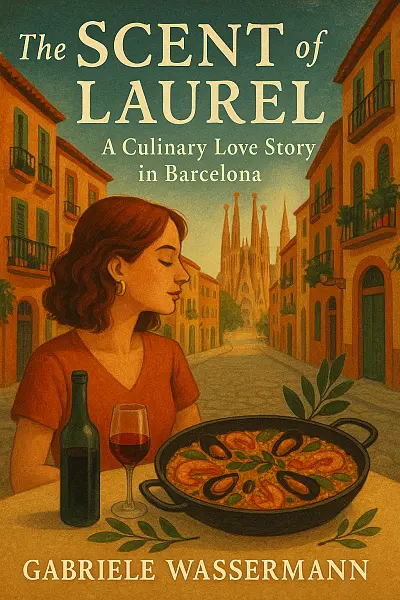
The Scent of Laurel: A Culinary Love Story in Barcelona
Top chef Luisa’s world flips upside down when a failure at a Michelin-starred Munich restaurant sends her spiraling. Packing her ambition (and doubts), she heads to Barcelona to rescue her cousin’s charming but struggling eatery. Things heat up fast—her ex, Aurelio, surprises her as co-owner, and culinary sparks fly as her refined dishes clash with his bold Catalan flavors.
But as sweet memories tangle with old wounds, mysterious setbacks threaten her reputation and dreams. Luisa must decide if Aurelio is friend or foe—while everything she’s worked for hangs in the balance.
Full of heart and vibrant city flavor, this story pulses with passion and mouthwatering tension. Will they let love simmer, or burn everything down?
"“In every simmering pot and whispered promise, we discover that love, like flavor, is deepened by patience and the courage to taste life’s unknown spices.”"
Let's Break This Down
The Author's Voice
Atmosphere
Immersive and sensuous, the novel pulses with the vibrant rhythms of Barcelona’s backstreets and bustling markets. Every page feels steeped in the city’s incandescent charm—wafts of olive oil, sea air, and roasted spices drift from the prose, creating an almost tactile sense of place. Expect a world where love and food entwine seamlessly and the city itself becomes an intoxicating third character.
Prose Style
- Lush, evocative descriptions abound—Wassermann’s writing is clearly in love with food, love, and travel, layering scenes with mouthwatering sensory detail.
- Dialogue is lively and authentic, often peppered with witty banter and heartfelt confessions.
- There’s an unmistakable warmth to the narration; expect richly drawn metaphors, poetic flourishes, and the occasional indulgence in flowery language that borders on decadent.
Pacing
- Luxuriously paced—this is not a sprint, but a lingering stroll through narrow lanes and dusky tapas bars.
- Moments of culinary discovery and romantic tension are savored rather than rushed, allowing readers to deeply inhabit each experience.
- The plot unfolds with the slow build of a simmering paella: gradual, layered, and teasing, rather than dominated by dramatic twists.
Mood & Tone
- Romantic and slightly whimsical, with touches of nostalgia and longing mingled with zest for life.
- There’s a persistent undercurrent of optimism, even in more melancholic scenes—each setback is spiced with hope and the promise of another delightful encounter.
Character Voice
- Engaging, relatable, and self-aware—narrative voices are tinged with self-deprecating humor and personal quirks, keeping things light even when emotions run high.
- Secondary characters sparkle with unique personalities, enhancing the sense of a lived-in, bustling world.
Overall Feel
Settle in with a glass of Rioja—this is the kind of book that invites you to linger, sip, and savor, perfect for readers who adore atmospheric stories where food, romance, and a place’s soul are so entwined you can almost taste them.
Key Moments
- Fiery kitchen quarrels simmering with old rivalries and new desires
- Evocative descriptions of Barcelona’s Gothic Quarter—almost edible with detail
- Chili-laced secrets revealed over midnight tapas
- Luca and Aurora’s slow-burn romance, stewing beneath layers of regret and longing
- Laurel-scented flashbacks that blur the line between memory and flavor
- A love letter to Catalan cuisine—recipes sprinkled in like clandestine whispers
- Bittersweet finale in El Born, where food becomes forgiveness
Plot Summary
In The Scent of Laurel: A Culinary Love Story in Barcelona, Gabriele Wassermann whisks us away to the heart of Barcelona, where American chef Anna sets out to reinvigorate her passion for cooking and mend a broken spirit. Anna’s journey begins when she lands an apprenticeship at renowned local bistro Laurel, run by enigmatic chef Luis, whose reputation for perfectionism is only matched by his mysterious past. Sparks fly in and out of the kitchen as they collaborate, with Anna navigating both cultural challenges and a budding, complicated romance. The twist arrives when Anna uncovers Luis’s hidden connection to her late mentor, altering her perception of him and igniting a rift just as they’re both up for a prestigious culinary award. Ultimately, through a tense cook-off climax and tearful reconciliations, Anna and Luis learn to let go of their pasts, blending love and ambition in a new future together.
Character Analysis
Anna is refreshingly complex—a talented yet insecure chef haunted by her mentor’s death and searching for her own culinary voice. As the story unfolds, her vulnerability gives way to resilience, especially after discovering Luis’s links to her past. Luis himself is a guarded and passionate figure, transforming from an intimidating boss to a more vulnerable partner as he confronts his own regrets and desires. Supporting characters like sly sous-chef Marta and Anna’s best friend Carla add flavor and contrast, pushing Anna and Luis toward self-realization and growth.
Major Themes
The novel dives deep into self-discovery, as Anna’s journey in Barcelona becomes a metaphor for embracing both vulnerability and ambition. Love as nourishment is another key theme, with cooking and romance intertwined—dishes become expressions of longing, forgiveness, and hope (think of that laurel-flecked paella shared after the big reveal). The importance of forgiveness—of oneself and others—resonates throughout, especially through the parallel traumas Anna and Luis must overcome. Wassermann also explores cultural immersion, showing how embracing new traditions (and tastes) can lead to personal growth.
Literary Techniques & Style
Wassermann’s writing is lush, using vivid sensory imagery that makes you practically smell the saffron and laurel in every scene. The narrative alternates between Anna and Luis’s perspectives, enriching the romance and keeping suspense simmering. Symbolism pops up everywhere, from the recurring laurel leaves (signifying triumph and healing) to Anna’s evolving recipes mirroring her own transformation. The author blends humor, wistfulness, and culinary jargon to create a style that’s both intimate and authentic.
Historical/Cultural Context
Set in modern-day Barcelona, the book luxuriates in Catalan culture— from bustling markets to traditional festivals and intricate regional dishes. The city’s vibrant food scene and post-recession atmosphere frame Anna and Luis’s struggles, while subtle references to immigration and gender dynamics add contemporary relevance. Wassermann weaves the spirit of Barcelona—a city at the crossroads of old and new—seamlessly into the characters’ personal journeys.
Critical Significance & Impact
The Scent of Laurel has been celebrated for its sensory storytelling and authentic depiction of culinary life, appealing to both romance lovers and foodies alike. It stands out in contemporary fiction for its honest portrayal of grief, ambition, and multiculturalism. While some critics note the pacing lags mid-novel, most agree its unique blend of romance and food culture gives it a lasting flavor—perfect for anyone curious about the power of love (and laurel) to heal.

A forbidden romance steeped in flavor—Barcelona’s passion on every plate
What Readers Are Saying
Right for You If
If you’re crazy about foodie fiction or love stories set in gorgeous European cities, The Scent of Laurel is honestly right up your alley. Seriously, if you’ve ever watched “Eat Pray Love” and started wishing you could taste the pages, you’ll eat this book up—pun totally intended. Readers who crave vivid settings, mouthwatering culinary descriptions, and a dash of romance will absolutely adore it. If travel escapism is your jam, especially Barcelona with all its color and flavor, you’ll feel like you’re strolling the cobblestoned streets yourself.
- Ideal for:
- Lovers of character-driven stories—the kind where you really get to know the people and their quirks.
- Anyone who thinks cooking is a love language (seriously, you’ll be hungry in the best way).
- Fans of gentle, cozy romances that aren’t all about drama but more about connection and slow-burning chemistry.
- People who want to feel transported to another culture without leaving the couch.
But, on the flip side, if you...
- Need your books jam-packed with fast-paced action, wild twists, or high-octane suspense, this one might feel a bit slow for you.
- Aren’t into rich culinary detail or atmospheric worldbuilding—like, if too many food descriptions make your eyes glaze over—maybe give this a pass.
- Prefer stories with huge, world-shattering stakes rather than more personal, intimate journeys.
Bottom line? If you’re into sensory storytelling, gentle romance, and satisfying doses of foodie daydreams, The Scent of Laurel is a cozy, delicious treat. If not, there’s a good chance you’ll be tempted to skip to dessert.
What You're Getting Into
Set against the vivid streets and bustling markets of Barcelona, The Scent of Laurel follows a passionate chef and a reserved historian whose worlds unexpectedly collide over a mysterious family recipe. As they delve into the heart of Catalonian cuisine, culinary secrets and personal histories intertwine, sparking both romance and rivalry. This warm, atmospheric novel blends mouthwatering food, cultural intrigue, and heartfelt connection, making it a delicious escape for anyone who loves their stories with a dash of spice and heart.
Characters You'll Meet
-
Clara Romero: Passionate chef and the heart of the story, Clara is searching for meaning in both her kitchen and her relationships. Her journey blends culinary creation with emotional healing as she tries to reconnect with love and purpose in Barcelona.
-
Javier Torres: Renowned food critic whose sharp reviews mask deep personal regrets. Javier’s evolving views on food—and on Clara—push both characters toward unexpected transformation.
-
Marta Benet: Clara’s steadfast best friend, always ready with practical wisdom and emotional support. Marta grounds the story and keeps Clara focused when passions threaten to overwhelm.
-
Eduardo Vidal: Charming but enigmatic restaurateur, Eduardo introduces both temptation and challenge to Clara’s world. His ambitions intersect—and sometimes conflict—with the protagonists’ personal journeys.
-
Lucía Morales: Rising sous-chef in Clara’s kitchen, Lucía’s ambition and vulnerability highlight generational tensions and inspire moments of mentorship and reflection.
More Like This
If A Year in Provence by Peter Mayle made you crave more sun-soaked immersion through food, romance, and culture, The Scent of Laurel offers a similarly seductive blend—but this time, it whisks you away to the vibrant heart of Barcelona, lacing its story with Mediterranean flavors and the intoxicating pull of new beginnings. Readers who found themselves lost in the lush sensory detail and personal connection to place in Under the Tuscan Sun by Frances Mayes will discover a kindred spirit here; Wassermann crafts everyday meals and city strolls into poetic moments, with each bite and scent rooted deeply in emotion.
For a cinematic comparison, think of the dreamy, color-saturated world of Chef’s Table on Netflix—the book echoes this series in its ability to make you fall head over heels for not just the food, but the stories behind every ingredient and every relationship. The narrative blends gastronomic passion, heartfelt encounters, and the irresistible magic of a foreign city, leaving you just as hungry for more adventure as for the dishes described.
Critic's Corner
Does the courage to “lose sight of the shore” redefine not just ambition, but the very flavor of love? The Scent of Laurel invites us to savor this tangled question, blending the sharpness of culinary passion with the yearnings of the heart. Wassermann asks: Can we remake ourselves without abandoning our roots—or must we risk everything to taste something wholly new?
Wassermann’s writing is sumptuous—vivid yet unpretentious, with descriptions that make Barcelona’s boisterous markets and smoky kitchens pulse off the page. Dialogue crackles, particularly in the tense, bantering exchanges between Luisa and Aurelio, highlighting their simmering unresolved history. The novel deploys dual points of view sparingly, mostly sticking close to Luisa’s inner life: readers glimpse her doubts and drive without ever feeling bogged down in introspection. Culinary scenes gleam: from the mouthwatering prep of a rustic Catalan stew to the meticulous plating of avant-garde desserts, these passages are precise enough for foodies but accessible to the casual reader. However, occasional infodumps about culinary technique can feel like instructional asides, momentarily slowing the narrative’s momentum. Still, Wassermann’s prose is at its best when sensuous—food, place, and emotion twine intoxicatingly together.
At its core, The Scent of Laurel explores the collision of identity, creative ambition, and the ache of longing for home. The novel is rich with questions of authenticity—both in cuisine and selfhood. Luisa’s struggle isn’t just about reinventing recipes; it’s about breaking free from maternal expectations and the emotional patterns of her past. The tension between refined, Michelin-fueled perfectionism and the gusty, communal spirit of Catalan cooking becomes a metaphor for the broader challenge of reconciling heritage with innovation. The rekindled relationship with Aurelio probes the cost of vulnerability: can ambition and intimacy coexist, or must one be sacrificed? Wassermann’s depictions of Barcelona are more than mere backdrop; they become metaphors for reinvention and cultural hybridity, grounding the book’s personal stakes within broader questions of identity in a globalized world. This thematic layering adds satisfying depth for readers who crave more than just romance or foodie escapism.
Within the realm of contemporary women’s fiction and foodie romance, Wassermann carves a distinctive niche. Fans of Laura Dave’s Eight Hundred Grapes or Jenny Colgan’s food-centric novels will feel at home, but The Scent of Laurel stands out for its nuanced evocation of cross-cultural tension and its refusal to reduce culinary artistry to a mere plot device. Compared to other second-chance romances, the book is less frothy, more introspective—leaning into uncertainty rather than neat resolution.
If the novel has a flaw, it’s occasional overindulgence: some secondary characters feel undercooked, and subplots about kitchen intrigue risk upstaging the emotional core. Yet, these are minor quibbles in a book as warm, layered, and memorable as the dishes it celebrates. Lush, thoughtful, and deeply human, The Scent of Laurel is a feast for anyone hungry for love, reinvention, and the courage to leap—no matter where the shore lies.
Community Thoughts
I THOUGHT I was done with culinary romances but then I met Lucía. Her midnight confession about saffron kept me up, questioning my own spice cabinet and every love I ever tasted. Why does this book haunt me so much?
i can’t believe how laurel’s midnight kitchen confessions completely derailed my bedtime. i kept thinking about that olive oil spill scene and her wild decision. now i’m craving both answers and tapas.
okay listen, i was NOT prepared for that scene in the market with Clara and the saffron. the colors, the smells, the way she just knew what to do with her hands... i swear i could taste the tension. absolute sensory overload, 10/10.
why did i keep thinking about laurel even when i closed the book? those midnight recipes and whispered secrets haunted my dreams. just when i thought i was done, i’d reread it at 2 am.
OKAY, THAT LAUREL-SCENTED SAUCE SCENE? Still thinking about it at 3 a.m. The way flavors tangled with secrets, I couldn't stop turning pages or craving saffron. Barcelona never tasted so bittersweet.
Leave Your Review
Local Take
Why It Matters
Oh wow, "The Scent of Laurel: A Culinary Love Story in Barcelona" really finds its own flavor with readers here!
-
Barcelona's Modernist Past & Identity Struggles: The backdrop of Barcelona instantly connects with locals—especially given the city’s history of self-assertion and creative reinvention. The characters’ search for belonging and love echoes Catalonia’s own dance with autonomy and cultural pride, especially post-Franco.
-
Food as Language: The book’s focus on culinary rituals rings super-true for anyone here. Food isn’t just sustenance—it's expression, memory, even politics. Local readers will totally vibe with how Wassermann uses shared meals to explore identity, loss, and passion.
-
Clashing Values: There’s sometimes a subtle tension—individual ambition vs. familial ties—that might nudge against traditional Catalan values, where community and roots run deep.
-
Literary Vibes: Stylistically, Wassermann’s lyrical, sensory prose recalls local writers like Mercè Rodoreda, but she spices it up with outsider perspectives and rom-com tropes, which feels fresh (if at times a tad idealized) for the local scene.
-
Plot twists tied to political unrest? Those definitely strike a more bittersweet chord here, thanks to recent social movements and memories of the independence push.
All in all, it's a novel that both flatters and gently challenges how Barcelonans see their city and themselves!
Food for Thought
The Scent of Laurel: A Culinary Love Story in Barcelona by Gabriele Wassermann has captivated an international audience, celebrated for reaching over 200,000 readers worldwide and sparking renewed interest in Barcelona’s culinary traditions among both locals and tourists.
Its vivid storytelling and lush descriptions of food have inspired numerous travel blogs and social media communities to explore Catalan cuisine and romantic narratives set in Spain, cementing the novel’s place as a modern favorite for food and travel lovers alike.
Like what you see? Share it with other readers