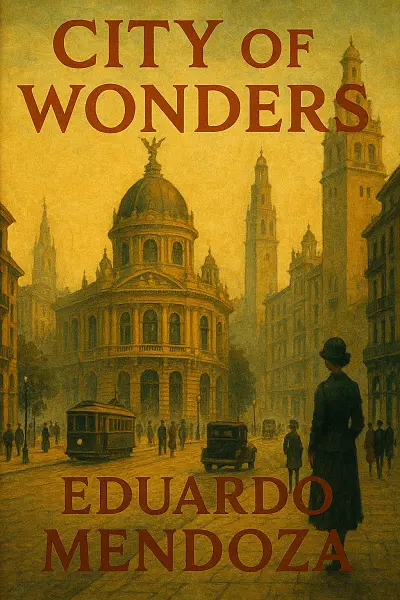
City of Wonders
by: Eduardo Mendoza
Onofre Bouvila arrives in bustling 1888 Barcelona, desperate to escape his father's failures and grab hold of the city's unstoppable rise. Fueled by ambition and a taste for risk, his break comes when a neighbor tips him off about distributing anarchist leaflets—an entry into Barcelona’s underbelly just as the Universal Exhibition transforms the city’s destiny.
Seizing every shady opportunity, Onofre hustles his way from penniless nobody to underworld kingpin, blurring moral lines in a world tinged with promise and corruption. Every move raises the personal stakes: will ambition consume Onofre, or can he find meaning amidst the city’s glittering chaos?
Mendoza’s playful yet biting style captures the frenzy and allure of a city—and a man—on the brink, leaving readers breathlessly wondering: can anyone truly win when the stakes are this high?
"“In a city drunk on progress, true wonders are the quiet triumphs of those who endure its chaos.”"
Let's Break This Down
The Author's Voice
Atmosphere
City of Wonders immerses readers in a vivid, bustling Barcelona, alive with contrasts—decadent elegance rubbing shoulders with working-class grit. The atmosphere brims with wry humor and a dash of absurdity, capturing the chaos of a city on the edge of modernity. Expect a setting that feels both richly textured and slightly off-kilter, where satire and melancholy swirl together, creating a world as unpredictable as its inhabitants.
Prose Style
Eduardo Mendoza crafts his narrative with a light, agile touch—his prose is unfussy and quick-witted, peppered with sly asides and clever turns of phrase. He balances sharp dialogue with descriptive passages that are never showy—you get all the color and flavor without getting bogged down in ornate language. Mendoza’s writing leans hard into irony and deadpan humor, but it never loses its warmth or undercurrent of empathy.
Pacing
The rhythm of the book is best described as playfully erratic. Scenes zip by with a breezy energy, dialogue crackling along, but Mendoza isn’t shy about slowing down to linger on an eccentric anecdote or a moment of sly reflection. This creates a rollicking, sometimes chaotic pace; just as you settle in, the story veers toward the unexpected. It’s never a slog, but you won’t always know where you’re being taken next—and that’s half the fun.
Tone & Mood
Throughout, the tone dances between irreverence and bittersweet observation. There’s a cheeky irreverence to both the narration and character interactions, but look closer and you’ll find layers of nostalgia and sharp social critique. The mood is simultaneously comic and contemplative—Mendoza keeps you grinning even as he delivers pointed truths about class, ambition, and identity.
Dialogue & Character Voice
Dialogue feels lively and authentic, shaped by colloquial speech and packed with personality. Characters leap off the page through their banter and misadventures—expect a colorful parade of eccentrics, schemers, and dreamers, each with their own unique rhythm and lexicon. Mendoza excels at letting his characters’ quirks shine through their voices.
Overall Rhythm and Feel
Dive into City of Wonders expecting a rollercoaster of wit, social satire, and affectionate mockery. The style is never heavy or ponderous, always tilting toward playful storytelling and manic energy. If you love fiction that skewers convention and embraces chaos, Mendoza’s writing will feel like a wild, exuberant night out in the heart of old Barcelona.
Key Moments
- Barcelona's underbelly revealed in fever-dream prose
- Ramiro’s disastrous dinner party—satire at its finest
- Gaudí’s cathedral as both sanctuary and madhouse
- Every street teems with larger-than-life eccentrics—each more memorable than the last
- Laugh-out-loud chase sequence through a crumbling theater
- Absurdist wit meets biting social critique, Mendoza-style
- Bittersweet finale: hope flickers in the city’s chaos
Plot Summary
City of Wonders by Eduardo Mendoza sweeps us into late 19th-century Barcelona, following the scrappy Onofre Bouvila as he arrives penniless to seek his fortune amid the chaos of the 1888 World’s Fair preparations. Starting out delivering anarchist pamphlets, Onofre cunningly ascends the city’s social and criminal ladders—trading revolutionary ideals for power and wealth as he navigates shady construction, real estate scams, and mafia circles. The plot twists when Onofre, conflicted but relentless, betrays both former allies and new friends to secure his empire, culminating in his ruthless victory over rival mobsters. By the climax, Barcelona has transformed into a modern metropolis, and Onofre, now unrecognizably rich, realizes his self-made “kingdom” is as unstable as the city itself. The book closes with Onofre isolated, the city both thriving and corrupted by the same forces that shaped him—a bittersweet resolution echoing the never-ending cycle of ambition and loss.
Character Analysis
Onofre Bouvila is a fascinating antihero—initially an outsider with idealistic impulses, he’s driven by the need to escape poverty and insignificance. Throughout the story, Onofre morphs from an earnest pamphleteer into a ruthless capitalist, each success pushing him further from his original ideals. Secondary characters, like the impetuous Delfina (his lover and partner-in-crime), and ruthless entrepreneurs and anarchists, play crucial roles in reflecting Onofre’s evolving morality and ambition. By the end, Onofre’s transformation is complete: he’s powerful but deeply alone, embodying the costs of relentless self-advancement.
Major Themes
- Social Mobility & Ambition: The book is obsessed with the price of climbing the social ladder, as Onofre swaps poverty for power, only to find hollowness at the top.
- Modernization & Corruption: Barcelona’s transformation mirrors its moral decay; progress and prosperity come laced with crime and exploitation, like Onofre’s real estate scams shaping the new city.
- Identity & Disillusionment: Onofre becomes alienated from his roots and from himself, and Mendoza suggests that success in a corrupt world requires the loss of integrity and connection.
- Society on the Brink: The constant tension between anarchists, crooks, and capitalists shows a society teetering between chaos and order, freedom and exploitation.
Literary Techniques & Style
Eduardo Mendoza’s writing is sharp, ironic, and playful, blending picaresque episodes with meticulous historic detail and biting social satire. The narrative is filled with dark humor, exaggeration, and vivid characterization—Onofre’s story feels at once larger-than-life and weirdly plausible. Mendoza masterfully employs symbolism: the constantly shifting, unfinished city becomes a metaphor for both Onofre’s ambition and the restless spirit of an era. The book jumps energetically between sweeping historical descriptions and closely observed criminal intrigue, keeping the pace brisk and engaging.
Historical/Cultural Context
Set against the backdrop of Barcelona’s rapid modernization during the 1888 Universal Exposition and later, the early 20th-century expansion, the novel draws on the city’s real history of speculation, social upheaval, and class struggles. Mendoza uses these historical moments to highlight the contrasts between old-world traditions and the seductive promise (and danger) of progress. Barcelona itself is almost a character, shaped by waves of immigrants, industrial expansion, anarchist violence, and capitalist ambition.
Critical Significance & Impact
City of Wonders is celebrated as a landmark in Spanish contemporary fiction, lauded for its energetic, satirical voice and its vivid reimagining of Barcelona’s coming-of-age. The novel was highly influential in revitalizing interest in both historical fiction and the depiction of urban transformation in literature. Its frank, comic yet critical look at ambition, progress, and morality makes it endure as a relevant, thought-provoking read for anyone interested in how cities and their dreamers are built.
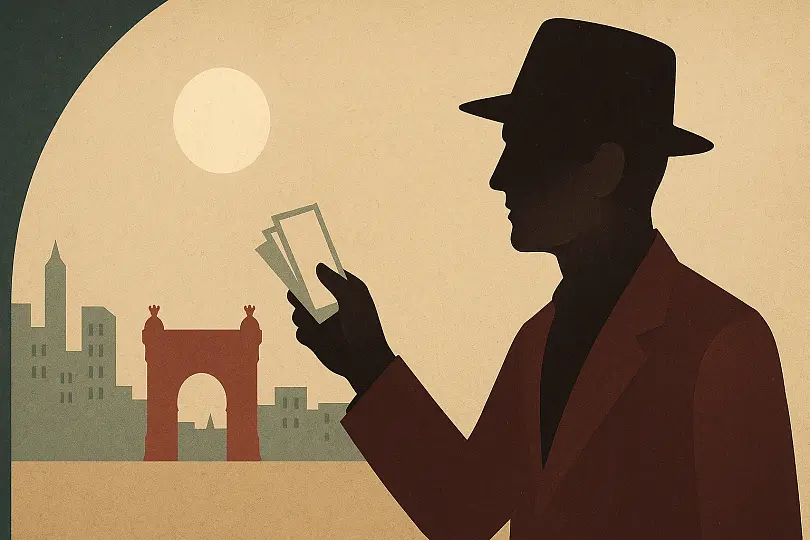
Ambition and chaos ignite as Barcelona transforms in a city of dreams.
What Readers Are Saying
Right for You If
Wondering if City of Wonders by Eduardo Mendoza is your next great read? Here’s the scoop:
If you love historical fiction with a dash of humor and a lively, quirky cast, you’ll probably get a real kick out of this one. Mendoza totally nails the late 19th-century Barcelona vibe, so if you’re into books that take you to bustling cities and weird, wonderful underbellies, this could be your jam. Anyone who digs slightly absurd plots, madcap adventures, and clever satire (think the quirks of Terry Pratchett or the wry comedy of Woody Allen) is in for a wild ride here.
- Perfect for:
- Fans of witty social commentary and offbeat, tongue-in-cheek storytelling
- Readers who love character-driven stories with oddball heroes and eccentric sidekicks
- Those who appreciate fast-paced plots and unexpected twists—never a dull moment
- History buffs who like their facts sprinkled with laughs rather than dry lectures
On the flip side, if you’re more into super serious or introspective literary fiction, this one might feel a bit too light or chaotic sometimes. Folks looking for deep, soul-baring character growth or slow-burn romance might also be left wanting. And if you’re not a fan of satire or slapstick humor, you’ll probably get annoyed by the constant antics.
So, basically: City of Wonders is a blast for readers who want something fun, clever, and a little off-kilter, but if you crave more straightforward or solemn storytelling, maybe pick up something else.
What You're Getting Into
Get ready for a wild ride through Barcelona in the early 20th century!
- When a clever street hustler with a knack for getting into (and out of) trouble finds himself sucked into the city’s explosive transformation for the 1888 World’s Fair, he’s swept up in a whirlwind of dazzling opportunities, shady deals, and laugh-out-loud chaos.
- As he dodges rival factions and mingles with eccentric personalities, the line between survival and ambition blurs, forcing him to reckon with the high price of dreams in a city that never stops reinventing itself.
- City of Wonders delivers a quirky, fast-paced adventure full of wit, colorful characters, and sharp social satire—a perfect pick for those who love their historical fiction served with a side of irony and irreverence.
Characters You'll Meet
-
Onofre Bouvila: Ambitious outsider who claws his way up from poverty to power in Barcelona. His relentless drive and cunning are central to the novel’s exploration of social mobility.
-
La Moski: Streetwise prostitute and loyal companion to Onofre. She embodies the struggles and resilience of the city's marginalized.
-
Don Julián Milagros: Wealthy entrepreneur and one of Onofre’s first employers. His manipulation and opportunism mirror the cutthroat atmosphere of the city’s boom years.
-
Bruno: Idealistic anarchist and Onofre’s friend-turned-adversary. He represents the clash between revolutionary ideals and personal ambition.
-
La Bella Dorita: Celebrated singer whose fame provides a backdrop to Barcelona’s glittering facade. Her arc highlights themes of illusion, desire, and the fleeting nature of success.
More Like This
If you found yourself swept up by the whimsical satire and sharply drawn urban landscapes of Carlos Ruiz Zafón’s The Shadow of the Wind, City of Wonders offers a similarly immersive journey through labyrinthine streets riddled with secrets, though Mendoza flavors his city with a much wryer, comic bite. There's something reminiscent of Gabriel García Márquez’s magical realism, especially the way Mendoza weaves the surreal seamlessly into everyday life—think of the absurd beauty and social commentary found in One Hundred Years of Solitude, but filtered through a more mischievous, modern lens.
In terms of cinematic vibes, reading City of Wonders conjures the quirky ensemble energy and intricate urban plotting of Amélie—that sense of the city itself blossoming into its own eccentric character, populated by oddballs whose fates gently intertwine. Mendoza's city doesn't just set the scene; it pulses with life, mischief, and pathos, much like the Paris Montmartre in that beloved film. If you thrive on books and movies that make you laugh, ponder, and marvel at city life in equal measure, this novel checks all those boxes—and then dances a clever circle around them.
Critic's Corner
Does greatness breed corruption, or is ambition itself a moral quicksand? In City of Wonders, Eduardo Mendoza spins a rollicking, slyly subversive tale that asks whether cities—or the people who build them—can ever escape the shadows cast by their own rise to power. Through the meteoric, often madcap journey of Onofre Bouvila, Mendoza turns Barcelona’s transformation into a feverish mirror for both social aspiration and personal excess.
Mendoza’s style bursts with wit, energy, and burlesque bravado. He crafts a narrative voice that is at once propulsive and mischievously self-aware, lacing the sprawling plot with satirical asides and sly digressions that constantly subvert the reader’s expectations. The prose often pirouettes between earthy detail and near-mythic exaggeration, boldly caricaturing historical types while keeping a darting eye on psychological nuance. Mendoza’s inventive use of pastiche—melding picaresque, noir, and historical epic—keeps the narrative fresh, even when the pace teeters into chaos. Dialogues crackle with period flavor, and descriptive flourishes render both Barcelona’s sleazy underbelly and its surging grandeur viscerally unforgettable.
At its core, City of Wonders interrogates the price of progress and the moral elasticity necessary to ascend in a society intent on reinvention. Onofre’s shameless opportunism is set against the swirling contexts of anarchist fervor, state-sponsored spectacle, and capitalist speculation. Mendoza uses his antihero to expose the porous boundaries between hustler, hero, and villain, never allowing either the city or its people to be pinned down to a single identity. The narrative lampoons the myths cities tell about themselves—that order naturally emerges from chaos, that upward mobility is virtuous rather than vicious. At the same time, the novel is haunted by a melancholy awareness of the dispossessed, the dreams trampled amid the city’s relentless forward march. Mendoza’s Barcelona is alive, monstrous, mesmerizing—a space where history and fantasy court each other with dangerous abandon.
Within the tradition of the postmodern city novel—from Döblin’s Berlin Alexanderplatz to Rushdie’s Midnight’s Children—Mendoza’s work stands out for its anarchic humor and Catalan specificity. Compared to earlier Mendoza works, City of Wonders is looser, brasher, and linguistically richer, making it more accessible while sacrificing some of the tautness of his earlier mysteries. It nods to Cervantes and the grand tradition of Spanish picaresque, but never feels derivative, instead staking out a narrative territory all its own.
If the novel stumbles, it does so by occasionally overwhelming the reader with its manic invention—some threads unravel, and Onofre’s cartoonishness can blunt emotional connection. That said, few novels so hilariously and incisively capture both the dark magic of urban transformation and the cost of dreaming big. City of Wonders is a riotous, profound celebration—and condemnation—of what it means to make a city, and a self, out of nothing.
Community Thoughts
Honestly, I couldn’t sleep after reading about Onofre Bouvila’s relentless schemes. Every time I closed my eyes, his shadowy ambition crept into my dreams. Mendoza really messed with my head this time!
I still can't shake that scene with Onofre in the abandoned hospital, pacing like a ghost from my own nightmares. Mendoza's surreal city bled into my dreams for days, making sleep an unpredictable adventure.
Honestly, after reading City of Wonders, I couldn't stop thinking about Onofre Bouvila and his wild unpredictability. He haunted my thoughts days after, popping up in my dreams like some chaotic fever ghost. Mendoza really got under my skin!
honestly, I almost gave up after the second chapter. the pacing dragged and I wasn’t sure where it was going, but then that dinner scene happened and suddenly I needed to know everything. Mendoza got me, begrudgingly, in the end.
How did Mendoza make Onofre so unforgettable? That guy creeped into my dreams for days, lingering in the shadows. I kept expecting him to pop out of a corner. This book seriously messed with my head.
Leave Your Review
Local Take
Why It Matters
Eduardo Mendoza’s City of Wonders strikes a real chord with Spanish readers, especially those versed in Barcelona’s vibrant history.
- The backdrop of the 1888 Universal Exposition resonates deeply, echoing Spain’s turbulent path through industrialization, modernization, and rising social unrest—themes super familiar from both national memory and real-life family stories.
- Where Mendoza pokes fun at both Catalan ambition and Spanish bureaucracy, Spanish readers recognize both the satire and affection, sparking a kind of wry nostalgia.
- Plot elements about migration and urban reinvention parallel Barcelona’s own boom-and-bust cycles, making the protagonist’s wild trajectory oddly relatable.
Literarily, Mendoza’s irreverent humor and playful, sprawling narrative feel like a loving nod (and gentle challenge) to Spain’s picaresque tradition. It’s not afraid to lampoon, but also celebrates the wild creativity that has always defined the city—something locals take pride in!
Food for Thought
City of Wonders by Eduardo Mendoza has achieved notable acclaim as a finalist for the prestigious Premio Planeta and is widely recognized for its vivid portrayal of Barcelona’s transformation during the 1888 Universal Exposition, firmly cementing its place as a modern classic in Spanish literature.
This novel’s blend of humor, historical insight, and rich characterization has captivated countless readers, making it a beloved and enduring touchstone for anyone fascinated by the lively evolution of cities and culture.
Like what you see? Share it with other readers