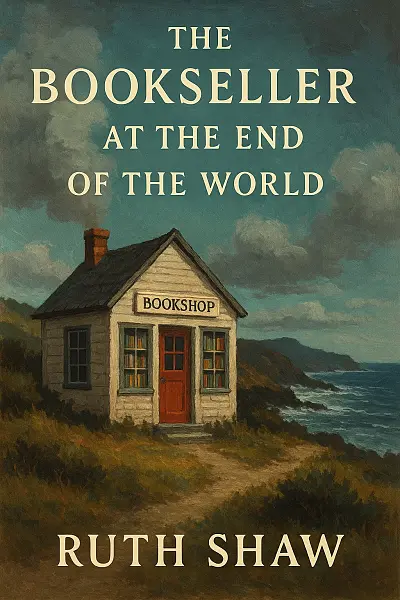
The Bookseller at the End of the World
by: Ruth Shaw
Ruth Shaw runs two quirky bookshops in the remote village of Manapouri, surrounded by New Zealand’s wild beauty, content to share stories with her eclectic customers. Everything changes when waves of visitors—some seeking solace, some chasing escape—spark deeper reflections on her own past wounds and desires for connection.
Juggling humor and heartbreak, Ruth throws herself into building a little community, but old grief and the struggle to reconcile her roving spirit with the calm of bookselling test her resilience.
With warmth and wit, Ruth’s memoir invites you into a world where every story matters—will she find peace among the shelves?
""In the quiet company of stories, even the world’s furthest corners feel like home.""
Let's Break This Down
The Author's Voice
Atmosphere
- Intimate and windswept: The pages are imbued with a sense of coziness and gentle wistfulness, yet always underpinned by the bracing wildness of New Zealand’s Fiordland.
- Invitingly reflective: Readers will feel like they’ve stepped into an eccentric, bookish haven at the edge of the world, where every detail—from creaking floors to rain-splattered windows—draws you deeper into Shaw’s remote universe.
- Drifts between warm nostalgia and a touch of melancholy: There’s a recurring sense of looking back with affection, anchored by a bittersweet awareness of time passing and lives intersecting.
Prose Style
- Conversational and unsentimental: Shaw’s writing feels like swapping stories over a kitchen table—unvarnished, natural, and sometimes endearingly blunt.
- Fragmented storytelling: Instead of traditional chapters, expect short vignettes, anecdotal bursts, and musings; the narrative flows more like a patchwork quilt than a linear thread.
- Quietly poetic: Simple, well-chosen details and turns of phrase evoke place and emotion without ever straying into grandiosity or self-indulgence.
Pacing
- Gentle and meandering: Don’t expect a driving plot; instead, the pace is reminiscent of a slow afternoon in a comfy chair, with stories appearing organically, sometimes lingering, sometimes drifting by.
- Reflective rhythm: Moments pause for contemplation, inviting the reader to soak in observation and mood rather than rush to resolution.
- Uneven but purposeful: Some anecdotes glide by lightly, others dig deeper and linger. The ebb and flow mirrors the unpredictability of both daily life and memory.
Overall Mood & Feel
- If you’re drawn to atmospheric memoirs that privilege lived experience and deep sense of place over high drama, this one will wrap you up like a favorite cardigan.
- Shaw’s style is all about subtle connection: between people, between stories, and between reader and landscape. Expect to come away feeling like you’ve spent an afternoon in the world’s most remote bookshop, listening to tales that are both ordinary and quietly extraordinary.
Key Moments
- Windswept Fiordland landscapes woven through every page—nature’s raw beauty as soul medicine
- Eccentric travelers and lost locals colliding in Shaw’s tiny bookshop, each story a spark
- Surprising memoir confessions: survival, forgiveness, and darkness revealed among the stacks
- Whimsical, poetic musings on books as lifelines—stories that haunt and heal
- Unexpected laughs in the middle of heartbreak—Shaw’s voice is honest, warm, and totally disarming
- Late-night storm scene: the bookshop as refuge for both hope and memory
Plot Summary
The Bookseller at the End of the World follows Ruth Shaw’s remarkable journey as she establishes a quirky, remote bookshop in Fiordland, New Zealand, after decades of wandering and hardship. Through a tapestry of memoir and storytelling, Ruth recounts her experiences with loss, from the tragic disappearance of her young son Michael to surviving cancer and turbulent relationships. The narrative alternates between the daily interactions with her bookshop customers—each with their own stories—and Ruth’s memories, revealing the core trauma and resilience that define her life. The story reaches its emotional climax as Ruth confronts her grief and chooses hope, finding peace in her connections with the community and the solace of books. Ultimately, the book closes with Ruth embracing her role as both caretaker and storyteller, anchoring herself and others at the literal and figurative edge of the world.
Character Analysis
Ruth is the compelling heart of the story, shown as keenly observant, flawed, but honest and resilient; she transforms from someone haunted by tragedy and self-doubt into a woman at peace with her past, willing to accept love and joy. Supporting characters—the steady, loyal Lance; Ruth’s colorful bookshop customers; and fleeting visitors—each offer glimpses of different life paths and healing processes, often serving as catalysts for Ruth’s introspection. Ruth’s development feels genuine—her vulnerability and willingness to share mistakes and sorrows invite empathy, making her transformation from grief to acceptance deeply moving. The book doesn’t shy away from her contradictions and rough edges, making her a beautifully complex and realistic protagonist.
Major Themes
At its core, the book explores grief and the slow process of healing—Ruth’s journey is shaped by loss but ultimately guided by the possibility of renewal and connection, as seen in her openness to the strangers who visit her bookshop. Another central theme is the transformative power of stories and community: books are depicted not merely as objects, but as lifelines, and Ruth’s shop becomes a space where shared narratives offer companionship and purpose. Nature and solitude are ever-present motifs, reflecting both the isolating and restorative aspects of living at the edge of civilization; Ruth’s relationship to the land is deeply intertwined with her path to self-acceptance and hope.
Literary Techniques & Style
Shaw employs a fragmented, memoir-esque structure, blending past and present to gradually reveal the full scope of Ruth’s journey; the non-linear timeline echoes the often unpredictable process of recovery. Her writing style is intimate, conversational, and vividly atmospheric, using clear, often poetic descriptions to immerse readers in Fiordland’s haunting beauty and wild remoteness. Symbolism—especially the bookshop itself as a haven and the recurring imagery of storms and tides—enriches the emotional texture of the narrative. Shaw also uses subtle metaphors (such as the idea of “the end of the world” reflecting both geographic and emotional states) to highlight her protagonist’s internal landscape.
Historical/Cultural Context
Set in contemporary New Zealand, particularly in the starkly beautiful yet isolated region of Fiordland, the book reflects both the rugged individualism and the deep sense of community that mark rural Kiwi culture. Social issues like rural decline, the importance of environmental stewardship, and the resilience of outpost communities appear throughout, grounding Ruth’s personal odyssey within a broader cultural framework. Reference to historical events and the shifting moods of New Zealand’s society give background and nuance to Ruth’s choices and the visitors who find their way to her shop.
Critical Significance & Impact
The Bookseller at the End of the World has earned acclaim for its candid portrayal of grief, the healing power of storytelling, and its vivid depiction of place, resonating deeply with readers who appreciate memoirs that blend personal history with broader reflections on literature and community. It stands out in contemporary New Zealand literature for its unique voice and setting, while its universal themes of loss and hope invite a wide audience. By celebrating the work of independent booksellers and lonely outposts, Shaw’s book carves out a lasting place as both a heartfelt memoir and a love letter to the quiet resilience found at the edges of society.
One woman’s journey of hope, loss, and books in New Zealand’s wild south
What Readers Are Saying
Right for You If
If you’re the type who adores cozy memoirs and books about quirky bookstores, you’ll fall head over heels for The Bookseller at the End of the World. This one’s made for readers who love gentle, reflective stories about real lives, remote places, and all the serendipitous encounters that come with running a tiny bookseller’s shop. If you find joy in tales of eccentric customers, travel, resilience, or just want to escape to the wild New Zealand landscape for a while, you’re in luck.
Bookworms who gravitate toward slice-of-life narratives, with a dash of wanderlust and a huge heart, are definitely the target here. Seriously—if you liked books like The Little Paris Bookshop or 84, Charing Cross Road, this is your next read. Shaw’s life is an open book (pun intended), and she shares it with a warmth that feels like having tea with an old friend—so if you’re craving that, you know where to go.
But, hey, if you mainly chase fast-paced plots, epic twists, or edge-of-your-seat thrillers, this probably isn’t for you. The pacing is slow and meditative, more about the journey than the destination, so folks who want action might feel a little restless. And if heavily literary or high-concept fiction is your jam, you might wish there was more complexity in the structure.
Bottom line: if you’re drawn to heartfelt memoirs, adore books-about-books, and love being enveloped by charming quirks and gentle wisdom, this one’s a treat. If you’re impatient with meandering stories or need tons of external drama, maybe skip it and save it for when you’re in the mood for something quieter and soul-soothing.
What You're Getting Into
Looking for a cozy armchair escape?
The Bookseller at the End of the World whisks you away to a remote corner of New Zealand, where Ruth Shaw runs quirky, tiny bookshops nestled between rugged mountains and the wild sea. Balancing the comforts of beloved stories with the unpredictability of real life, Ruth shares her journey through unforgettable encounters and the healing power of books. This memoir sparkles with warmth, resilience, and a love of oddball characters—think atmospheric, heartfelt, and just a bit magical.
Characters You'll Meet
-
Ruth Shaw: The heart and soul of the memoir, Ruth is a resilient bookseller whose love for literature and adventure shapes both her life and her charming bookshops. Her personal journey, marked by loss, healing, and quirky enterprise, steers the narrative.
-
Lance: Ruth’s supportive husband, whose unwavering partnership and shared passion for unconventional living add warmth and humor to the story. His presence grounds Ruth while highlighting themes of companionship and second chances.
-
Bookshop Visitors: A vivid array of customers, each bringing their own unique backstories and eccentricities. These encounters illuminate the magic of community, connection, and the transformative power of books in everyday lives.
-
Nature and the Fiordland Setting: While not a character in the traditional sense, the wild New Zealand landscape acts as a vivid backdrop and driving force in Ruth’s life, shaping her decisions and the tone of her eccentric, off-the-grid bookstore adventure.
More Like This
Fans of The Little Paris Bookshop by Nina George will find a similar cozy magic in Ruth Shaw’s tales, but with the wild, windswept flavor of New Zealand’s remote Fiordland. Both books spotlight the healing, transformative power of stories and the deep bond forged between a bookseller and their patrons, yet Shaw’s memoir stands apart with its raw authenticity and endearing quirkiness.
If you’ve ever fallen under the spell of A Man Called Ove by Fredrik Backman, you’ll be drawn in by Shaw’s offbeat characters and her gentle, introspective humor. There’s a shared sense of weathered wisdom: each page offers pockets of joy, heartbreak, and those rare, luminous moments of connection only books can broker in rugged isolation.
Visually, there’s a touch of The Guernsey Literary and Potato Peel Pie Society film adaptation in the way Shaw’s experiences mingle the beauty of an untamed landscape with earnest community interactions and letters from booklovers near and far. Both deliver a mix of charm and bittersweet nostalgia, building atmospheres that feel both windswept and warmly lit from within.
Critic's Corner
What if the answer to life’s losses, heartbreaks, and bewildering beauty resides not in grand philosophies, but in a battered paperback on a rain-drenched, southern New Zealand shelf? The Bookseller at the End of the World by Ruth Shaw dares us to locate meaning at the intersection of literature, community, and wild, unfiltered experience. Shaw’s memoir—anchored in her twin “wee” bookshops on the edge of Fiordland—asks if stories really can mend our broken places.
Shaw’s craft is marked by remarkable intimacy and unvarnished candour. Her prose is brisk, almost conversational, yet frequently pierced by startling metaphor, as when she likens grief to “a wave that knocks you flat each time you think you’ve found your feet.” The structure is deliberately fragmented: brief vignettes—peopled with eccentric tourists and locals, snippets from a nomadic past, flashes of humour and pain—ebb and flow like the lake that borders Manapouri. She stitches together scenes with a deft hand, often layering reflections about books (from Janet Frame to children’s classics) with personal history, letting literature become a kind of connective tissue running through her life. The memoir’s narrative patience is a virtue; it allows Shaw’s voice to feel unforced, honest, and free of sentimentality. This lightness of touch, paired with the sense of deep personal loss, results in a balance that feels hard-won and real.
Thematically, The Bookseller at the End of the World wrestles with the redemptive potential of books and human connection. Shaw’s life is an odyssey: piracy in the Pacific, advocacy among Sydney’s dispossessed, endless environmental battles, and, finally, rooting herself in a remote community. There’s a tender darkness underlying the memoir, with trauma and grief surfacing unflinchingly—yet the book is never morose. Instead, her storytelling proposes that true refuge is communal: in found family, in conversations between strangers, and in the shared love of stories. Shaw’s passion—for literature as sustenance, for the unique wildness of Aotearoa’s south, for the possibility of joy after deep pain—lands poignantly in a world hungry for grounding, authenticity, and belonging. The memoir teases out deep philosophical questions about impermanence, resilience, and the ways that books can help us survive ourselves.
Within the current boom of books-about-books memoirs, Shaw’s stands apart. It echoes the spirit of The Diary of a Bookseller (Bythell) but feels even more emotionally raw, and its antipodean setting offers a gust of wild fjord air to a genre often shrouded in old-world cosiness. Within New Zealand literature, it continues the tradition of personal narrative explored by Janet Frame and Fiona Kidman, yet Shaw’s voice is distinctly her own: warm, earthy, and shot through with bright, insistent hope.
Shaw’s memoir occasionally stumbles with pacing—its fragmentary structure may frustrate those craving narrative cohesion, and the flitting between past and present can be slightly disorienting. Still, these are minor quibbles. For anyone longing for laughter, heartbreak, and the tangible solace of stories, this is a book that lingers—like a comforting, unexpected conversation in a windswept bookshop at the edge of the world.
Community Thoughts
I started reading for the remote bookshop vibes, but now I can't stop thinking about Ruth’s wild resilience. That one stormy night by the fire keeps replaying in my head. It seriously messed up my sleep schedule.
i did NOT expect a tiny bookstore in Fiordland to change my whole outlook on life. Ruth’s wild customers, stormy weather, and that one boat scene? I still think about it. Can’t stop rereading.
okay but did anyone else get stuck thinking about Ruth alone in her little shop while the ocean just does its wild thing outside? that image will not leave my head, it’s like it’s tattooed on my brain now
At first, I thought this was just another quirky memoir, but then Ruth’s wild stories about her eccentric customers invaded my dreams. I stayed up way too late wondering if I should pack up and move to a bookshop by the sea.
That one line, "books are the anchors of lost souls," just won’t leave my head. It echoed all night and I woke up wishing I lived in Ruth's wild, wind-battered shop. Can't stop thinking about it!
Leave Your Review
Local Take
Why It Matters
The Bookseller at the End of the World by Ruth Shaw strikes a unique chord with New Zealand readers, weaving in themes of resilience and connection to the land that echo Aotearoa’s own history of facing adversity—think post-earthquake Christchurch or the community response to environmental crises.
-
Shaw’s deep appreciation for rural life and wild landscapes feels kindred to Kiwi sensibilities, where manaakitanga (hospitality) and whānau (family/community) are foundational. Her honesty about hardship and healing mirrors how New Zealand society often values straight-talking openness about mental health and loss.
-
The story of finding purpose in a remote, self-made bookshop hits differently here, too—it mirrors the legendary local tradition of creating something small-but-mighty in the face of isolation, almost in the spirit of iconic “number 8 wire” ingenuity!
-
While the gentle, memoir-style narrative fits nicely alongside popular New Zealand life writing, it challenges the more stoic “she’ll be right” attitude, inviting vulnerability and warmth that resonates deeply within our conversational, close-knit culture.
Food for Thought
Notable Achievement:
-
The Bookseller at the End of the World by Ruth Shaw has been widely celebrated in New Zealand and abroad for its heartfelt storytelling and evocative sense of place, earning a spot as a bestseller and endearing itself to readers who cherish stories about books, resilience, and community.
-
The book has become a word-of-mouth favorite, inspiring countless readers to seek out Ruth Shaw’s tiny Fiordland bookshops, and has been hailed as a charming contribution to the growing genre of memoirs that celebrate the quirky, transformative power of books.
Like what you see? Share it with other readers