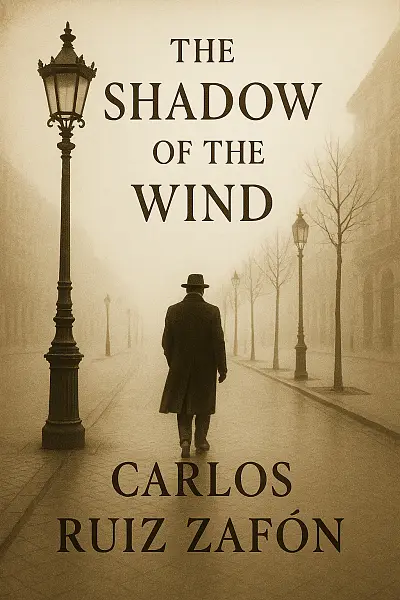
The Shadow of the Wind
Barcelona, 1945: Young Daniel mourns his mother and seeks refuge in his father’s quiet bookshop. One day, he stumbles upon a mysterious novel—The Shadow of the Wind by Julián Carax—a discovery that gives him purpose and curiosity.
Fascinated, Daniel tries to find more Carax books, only to realize someone is erasing the author’s entire legacy. The hunt for answers draws Daniel into the heart of a dark, tangled web of secrets, forcing him to question who he can trust as the shadows close in.
Zafón’s writing is lush and atmospheric, blending gothic suspense with a wistful love of storytelling. But as Daniel inches closer to the truth, you’ll wonder—will he unravel Carax’s fate, or be consumed by the city’s secrets himself?
"“Books are the silent architects of our memory, building bridges between the forgotten and the yet to be discovered.”"
Let's Break This Down
The Author's Voice
Atmosphere
Darkly enchanting, richly evocative, and utterly immersive.
- Picture narrow, rain-slicked alleys and a city drenched in secrets—Zafón’s Barcelona hums with gothic tension, mystery, and nostalgia.
- There’s a foggy, almost dreamlike quality suffusing every scene, blending historical grit with a touch of the magical.
- Expect the sense of place to be so vivid, you’ll practically smell old books and feel damp stone under your fingertips.
Prose Style
Lyrical, lush, and sometimes romantically ornate.
- Zafón crafts sentences that flow like music—full of sensory details, poetic turns of phrase, and emotional resonance.
- His writing veers towards the dramatic and whimsical, with flourishes that can feel exhilarating to some, or a bit heavy-handed to others.
- Expect metaphors, evocative descriptions, and dialogue tinged with old-world charm—almost theatrical at times.
Pacing
Deftly layered, dynamic, but with a tendency for detour.
- The story unfolds at a measured pace, immersing you in atmosphere and backstory before racing ahead with intrigue.
- There are bursts of action and suspense set against quieter, more reflective passages—sometimes you’ll whip through chapters, other times you’ll linger in Zafón’s love affair with books and memory.
- It’s a slow burn, but rewards patient readers with twists and emotional payoff.
Characterization
Vivid, complex, and larger-than-life.
- Characters burst onto the page with memorable quirks and deep scars—no one here feels like stock “types.”
- Zafón gives everyone, from leads to side players, a rich history and a dose of gothic flair.
- Expect intricate motivations and a spectrum of passion, obsession, and longing.
Overall Mood
Mysterious, romantic, tinged with melancholy and wonder.
- Each page hums with a love for literature, a touch of danger, and a haunted sense of hope.
- There’s a bittersweet aftertaste, like finishing a late-night story by candlelight—shadowy, beautiful, and hard to shake off.
Key Moments
- Labyrinthine Barcelona streets drenched in literary mystery
- The Cemetery of Forgotten Books: a secret library that feels like magic on the page
- Julián Carax’s tragic love story echoing through Daniel’s own coming-of-age
- That gut-punch reveal when Fumero’s true nature is unmasked—chilling!
- Gothic atmospherics: rain-slicked nights, crumbling mansions, and shadows that feel alive
- Deliciously bookish dialogue—witty, wistful, and wise
- Themes of memory, obsession, and fate weaving through every character’s journey
Plot Summary
The Shadow of the Wind sweeps us into post–Civil War Barcelona, where young Daniel Sempere discovers a mysterious novel by Julián Carax in the Cemetery of Forgotten Books. As Daniel becomes obsessed with unraveling Carax’s life, he finds that someone known as "Laín Coubert" is systematically destroying every copy of Carax’s works. Daniel's journey mirrors Carax’s own tragic past; he uncovers Carax’s doomed love for Penélope and reveals that the antagonist, Inspector Fumero, ruined both Carax’s and Daniel’s families. The tension peaks when Daniel realizes that Laín Coubert is actually Carax himself, hiding in shadows. The story resolves with Daniel, having confronted dangers and secrets, escaping the patterns of the past, finding love with Bea, and ultimately breaking the tragic cycle that haunted Carax.
Character Analysis
Daniel Sempere begins the story as an innocent, bookish boy, but his obsession with Carax’s mystery transforms him into a courageous and compassionate young man; he is forced to face moral ambiguities and the burdens of knowledge. Julián Carax, whose troubled existence parallels Daniel’s, is a figure tormented by his past, haunted by loss, yet ultimately seeking redemption and peace. Supporting figures like the witty and loyal Fermín Romero de Torres provide comic relief and profound wisdom, while villains like Fumero embody the unchecked cruelty and corruption of their era. Characters evolve through trauma, love, and discovery—growing more self-aware and resilient as they confront both personal and inherited demons.
Major Themes
At the novel’s core lies the power of storytelling—books as refuge, weapon, and legacy, shown by the Cemetery of Forgotten Books itself. Memory and forgetting shape the characters’ lives; secrets fester and past traumas resurface until they’re confronted. The story is also a meditation on love’s endurance and destructive potential, illustrated in both Carax and Daniel’s romantic entanglements. The corrosive influence of political oppression and personal cruelty, especially through characters like Fumero, highlights how unchecked power can devastate individual lives and families.
Literary Techniques & Style
Carlos Ruiz Zafón weaves a lush, atmospheric narrative filled with labyrinthine twists and gothic flourishes; his descriptions of Barcelona evoke both beauty and menace. The novel uses nested storytelling—stories within stories—and frequent flashbacks, blurring lines between past and present. Rich symbolism abounds: the Cemetery of Forgotten Books stands for memory, loss, and hope; shadows represent secrets and the unconscious. Zafón’s masterful metaphors and vibrant imagery draw readers into a dreamlike world, and his blend of suspense, romance, and mystery keeps the pages turning.
Historical/Cultural Context
Set in post–Spanish Civil War Barcelona during Franco’s oppressive regime, the novel vibrates with the fear, brutality, and censorship typical of the time. The dark, crumbling cityscape reflects the collective trauma and moral uncertainties faced by its inhabitants. The story captures a unique crossroads of Spanish culture—between old-world romanticism and modern cynicism—mirroring the tension between memory and forgetting that pervades the characters’ lives.
Critical Significance & Impact
The Shadow of the Wind is celebrated for reinvigorating the gothic novel and making Spanish literature globally popular, enchanting readers with its celebration of books and the act of reading. Critics and audiences alike have embraced its evocative atmosphere, intricate plotting, and emotional intensity. Its influence endures in the way it invites readers to consider the lasting effects of history, the redemptive power of love, and the life-changing magic of stories.
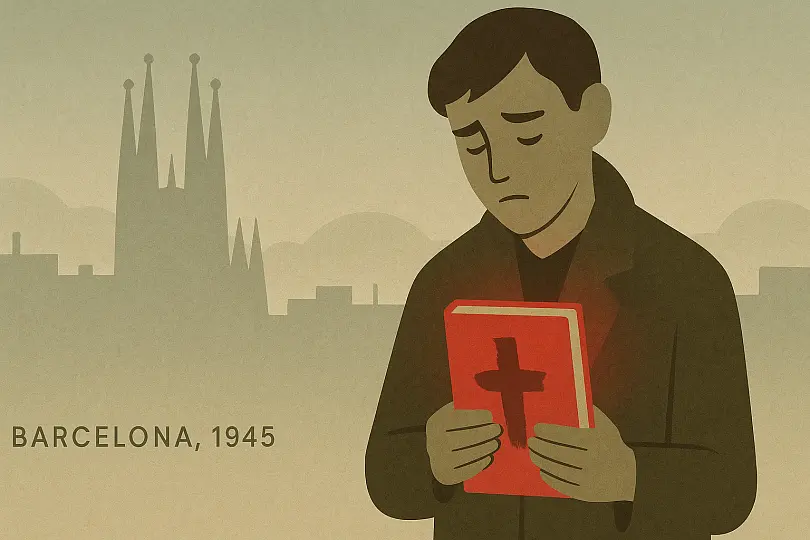
A hidden library guards secrets—and a city haunted by forgotten stories.
What Readers Are Saying
Right for You If
Wondering if you’ll vibe with The Shadow of the Wind? Here’s the lowdown:
If you’re obsessed with books about books, tangled mysteries, or moody, atmospheric settings, you’ll eat this up. This one’s catnip for anyone who loves getting lost in lush literary worlds—think: secret libraries, bookish adventures, and a heavy sprinkle of romance and gothic vibes.
- Big fan of historical fiction with a side of intrigue? You’ll be glued to the pages.
- Love stories that mix coming-of-age journeys with dark, twisty secrets? This checks every box.
- Craving a book that feels like wandering through old European streets with a haunted past? You’re in the right place, friend.
- If slow-burn pacing and layered writing make you swoon (and you’re not afraid of poetic, occasionally flowery descriptions), you’ll be in heaven.
But, full honesty:
- If you want fast-paced, action-heavy thrillers, this might drag a bit for you. It’s all about soaking in the atmosphere and unraveling mysteries at a leisurely pace.
- Not super into stories-within-stories, or prose that takes its time? You might end up impatient.
- Anyone just looking for a straightforward mystery might find the plot a little twisty and the cast pretty sprawling.
Bottom line:
If you’re a sucker for stories about the power of books, with a dash of romance and gothic drama set in a shadowy Barcelona, The Shadow of the Wind should definitely be on your list. But if you like your reads punchy, minimal, and straight to the point, you might want to try something different.
What You're Getting Into
Step into post-war Barcelona with The Shadow of the Wind by Carlos Ruiz Zafón, where a young boy’s discovery of a mysterious novel sweeps him into a thrilling web of secrets, obsession, and forgotten history.
As Daniel searches for answers about the enigmatic book and its vanished author, he’s pulled into a labyrinth of danger and intrigue that connects past and present.
With its haunting atmosphere, unforgettable characters, and a love of literature at its core, this novel is a twisty, gothic adventure that’s as much a story of friendship and first love as it is a page-turning literary mystery.
Characters You'll Meet
-
Daniel Sempere: Curious and sensitive protagonist who discovers “The Shadow of the Wind” as a boy. His quest to unravel the secrets behind the mysterious author shapes his coming-of-age journey.
-
Julián Carax: Enigmatic author whose tragic life and lost works haunt the story. His fate is inextricably tied to Daniel’s search for truth and redemption.
-
Fermín Romero de Torres: Witty, street-smart, and fiercely loyal friend to Daniel. His resourcefulness and comic flair make him an unforgettable sidekick and moral compass.
-
Bea Aguilar: Intelligent and strong-willed love interest for Daniel. Her relationship with Daniel adds emotional depth and personal stakes to his journey.
-
Inspector Francisco Javier Fumero: Manipulative, menacing antagonist whose violent obsession shapes much of the danger in the novel. His actions drive many of the book's darkest twists.
More Like This
If Carlos Ruiz Zafón's The Shadow of the Wind swept you off your feet, there's a good chance you'll be swept right back by the mystical storytelling and bookish mysteries of Erin Morgenstern's The Night Circus. Both novels share an enchanting atmosphere and a labyrinthine plot, drawing readers into dazzling worlds where the boundaries between reality and fantasy blur and every secret feels tantalizingly out of reach.
You might also notice the gothic intrigue and multi-layered timelines reminiscent of Kate Morton's The Forgotten Garden. Zafón and Morton alike excel at weaving together the past and present through hidden manuscripts, forbidden histories, and families marked by sorrow and longing, offering readers that irresistible blend of page-turning suspense and emotional depth.
On the screen, the show Penny Dreadful springs to mind. Its moody visuals, noir-soaked streets, and deep dives into the shadows of the psyche echo Zafón's Barcelona, where the true horrors often hide within people's hearts and the city itself feels like a living, breathing character. If you love stories where the city becomes a character and secrets lurk behind every fog-shrouded corner, The Shadow of the Wind will feel like home.
Critic's Corner
What are we really searching for when we reach for a book—for stories that help us remember, or to forget the shadows that haunt us? The Shadow of the Wind invites this question on every page, plunging readers into a labyrinthine Barcelona where memory, grief, and obsession tangle like old ivy over cathedral stones.
Carlos Ruiz Zafón’s writing is best described as entrancing—lush yet controlled, weaving together gothic flourishes and noir-esque suspense. His command over atmosphere is remarkable: the city itself feels like a living character, fog-laced and mournful, pulsing beneath streetlamps and secret passageways. The structure—a story within stories, told via nested narratives—demands the reader’s attention but never feels cumbersome. Zafón’s pacing deftly alternates between moments of tense pursuit and quieter, emotionally charged encounters. Dialogue is crisp and evocative, propelling both character development and plot with economy. While flourish is abundant—occasionally bordering on melodrama—his metaphors and descriptions rarely lose their sensual power, immersing the reader fully in the book’s ornate world.
At its core, The Shadow of the Wind is a meditation on the enduring power of stories: how they save, wound, and define us. Zafón probes the trauma of postwar Spain with sensitivity, examining how personal and collective grief inscribe themselves onto both places and people. The themes of loss, identity, and the destructive force of obsession feel palpably urgent. The haunted library at the novel’s heart becomes a metaphor for cultural memory: endangered, vulnerable, and intensely precious. Philosophically, the novel asks if love and literature can truly conquer the corrosive effects of hatred and forgetting—a question left tantalizingly open. Its vision of Barcelona as a city shaped by invisible histories resonates powerfully for contemporary readers grappling with issues of memory and erasure in their own societies.
Placed within the literary tradition of bibliophilic mysteries, Zafón stakes out territory alongside Umberto Eco and Arturo Pérez-Reverte, but infuses his tale with a romanticism akin to Dumas or Victor Hugo. Yet, it never feels derivative; rather, it reinvigorates the gothic mystery by situating it in a distinctly Spanish context, rich in political and emotional complexity. Compared to other works in Zafón’s own “Cemetery of Forgotten Books” series, this entry stands out for its balance of narrative suspense and lyrical introspection.
Strengths: Magnetic prose, a vividly rendered setting, and a moving exploration of why we hold onto stories.
Weaknesses: Some secondary characters verge on caricature, and subplots occasionally distract from the novel’s emotional center.
Final verdict: The Shadow of the Wind matters because it reminds us just how dangerous and necessary stories are—for both individuals and societies. Not perfect, but unforgettable: an exuberant love letter to books, readers, and the secrets that bind them.
Community Thoughts
Why did Fermin Romero de Torres linger in my head for days? His sharp wit and tragic past tangled together, making every scene he's in electric. I’d reread his lines just to catch more of his strange, wonderful sadness.
I tossed and turned for nights after reading about Fermin Romero de Torres, that guy lives rent-free in my head. His wit, pain, and weird loyalty just wouldn't let me rest. Why did Zafón have to make him so unforgettable?
I stayed up until 3am because of Fermin. His wit and pain crawled into my head and wouldn’t let me go, like he’s still whispering secrets in the dark. This book hijacked my routine in the best, strangest way.
that library scene where Daniel first discovers the Cemetery of Forgotten Books? i FELT like i was wandering endless shelves of secrets with him. i’ll never forget the shiver running down my spine.
how do you even describe Fermin Romero de Torres? He barged into my brain and refuses to leave, a mix of hilarity and heartbreak that keeps haunting my thoughts at the weirdest moments. I still don’t trust him, but I miss him.
Leave Your Review
Local Take
Why It Matters
The Shadow of the Wind feels almost tailor-made for Spanish readers, especially those from Barcelona.
-
Parallel Historical Events:
- The book’s setting during and after the Spanish Civil War mirrors lived experiences or family histories for many locals.
- Its echoes of Francoist oppression and censorship vibe strongly with Spain’s difficult past—readers see their own wounds and resilience onscreen.
-
Cultural Values:
- The passionate defense of books and storytelling is huge in Spanish culture, where literature has often been a safe haven amid turmoil.
- The tight family bonds and generational secrets ring true; Spanish families often keep their histories close, so Daniel’s quest feels familiar.
-
Local Literary Traditions:
- The gothic, labyrinthine Barcelona calls back to La Generación del 98 and magical realism, but Zafón adds a noirish twist—bold but beloved here.
-
Why It Hits Different:
- Spanish readers relate deeply to the sense of loss, longing, and rediscovery—Barcelona isn’t just a backdrop, it’s a character itself.
- Those scenes walking the misty streets? For locals, it’s like discovering their city’s ghosts alongside Daniel.
Food for Thought
Notable Achievement & Cultural Impact
The Shadow of the Wind has become an international literary sensation, selling over 15 million copies worldwide and sparking a renewed interest in Spanish literature, while also being credited with transforming the perception of Barcelona into a city of haunting literary allure.
- Shortlisted for multiple international awards
- Translated into more than 40 languages
- Inspires passionate fan tours of the real-life “Cemetery of Forgotten Books” in Barcelona
If you love mysterious, atmospheric reads that blend literary history with a gripping plot, this novel has left a massive footprint you can't miss!
Like what you see? Share it with other readers