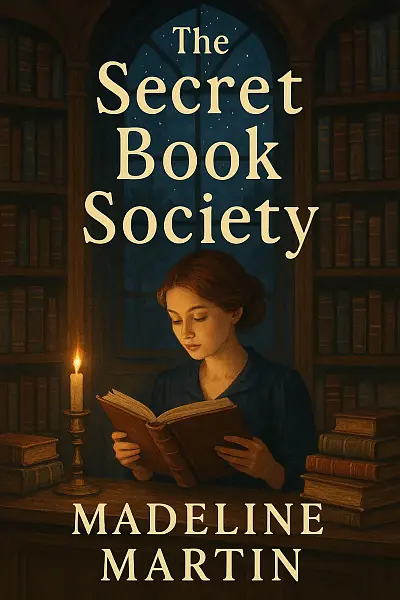
The Secret Book Society
by: Madeline Martin
Eleanor Clarke, suffocating in her restrictive Victorian marriage, moves through her lonely days in gloomy London, quietly yearning for escape. When she receives an intriguing invitation to Lady Duxbury’s elegant home, she can’t resist. Soon, Eleanor, along with Rose Wharton and Lavinia Cavendish, discovers a secret book club—a place of whispered hopes and radical ideas.
As the women bond, the risk of discovery looms, with reputations—and even lives—at stake. Each must decide how far they’ll go for friendship and freedom in a world that punishes outliers.
Told with warmth and suspense, the story begs: Will courage be enough?
"“In the quiet company of stories, we discover the courage to speak our own truths.”"
Let's Break This Down
The Author's Voice
Atmosphere
Richly immersive but comfortingly warm—Martin crafts a world that feels both historically grounded and delightfully bookish. The setting thrums with a gentle nostalgia, softening the rougher edges of wartime tension. Expect cozy corners, hidden libraries, and an undercurrent of hope running through the quieter moments. It’s the kind of atmosphere that settles around you like a handmade quilt, inviting you to linger.
Prose Style
Approachable and clear, Martin’s sentences glide by with a welcoming ease. She leans into emotionally charged, character-driven narration, peppered with vivid details but rarely weighed down by excessive description. Dialogues are crisp and heartfelt—it’s prose that favors emotional immediacy over linguistic showmanship, always keeping the reader close to the characters’ inner lives.
Pacing
Steady, unhurried, but never sluggish—think of it as a stroll rather than a sprint. Martin takes her time layering both relationships and secrets, weaving small moments and big reveals at a measured clip. Readers get plenty of breathing room to invest in every triumph and heartbreak, yet the plot moves forward with enough momentum to keep you turning the pages. Expect lingering scenes that savor connection as much as suspense.
Character Development
Deeply empathetic—Martin excels at crafting souls you truly want to root for. Even side characters shimmer with just enough backstory and charm to feel real. Growth is gradual and believable, rooted in both external conflict and quiet self-discovery. There’s a strong sense of camaraderie, friendship, and found family, making relationships the true heartbeat of the story.
Dialogue
Natural, heartfelt, and occasionally sly, the conversations sparkle with authenticity. Banter comes easily, moments of vulnerability are handled with tenderness, and the exchanges serve double-duty in both revealing character and advancing the action. Readers will find themselves grinning at quick-witted lines and pausing at unexpectedly poignant confessions.
Thematic Undertones
Hope, resilience, and the transformative power of stories—these are the guiding lights. Martin weaves in themes of resistance, courage, and the importance of community with a gentle hand, never heavy-handed but always present. The novel feels like a tribute to those who find magic in words and strength in each other when the world is darkest.
Overall Feel
If you love novels that wrap you in atmosphere, blend historical tension with emotional warmth, and celebrate the enduring bonds of friendship and the solace of stories, this one absolutely delivers. It’s heartfelt, uplifting, and quietly powerful—the kind of writing that leaves you with a smile and a bit more hope than when you started.
Key Moments
- A banned book smuggled under candlelight sparks friendships that shouldn’t exist
- Secret meetings in the shadowy stacks — risking everything for the love of stories
- Vivian’s quick wit collides with Mr. Roarke’s stoic resolve in a forbidden alliance
- “No one is truly forgotten as long as their story lives”—the club’s whispered motto
- Chapter 17’s midnight raid: nerves, narrow escapes, and a lost diary that changes everything
- Pages dripping with nostalgia for the power of books to heal, unite, and defy
- Lush 1940s London details—foggy alleyways, rationed tea, and hope blooming in hidden corners
Plot Summary
The story plunges us into WWII-era Paris, where Lucie risks her life to protect precious books from Nazi authorities by creating an underground lending group called the Secret Book Society. As characters like Max and Elise join, tensions and friendships deepen, especially as German soldiers inch ever closer and suspicion grows in the community. A pivotal twist occurs when one of their own, Paul, is suspected of betrayal, raising the stakes for everyone involved. The climax hits as the group narrowly escapes a Gestapo raid, sacrificing the beloved hidden library to ensure their survival and protect their members. In the end, despite losses, the society’s core group survives, scattering across Europe but vowing to keep the spirit of resistance and literature alive.
Character Analysis
Lucie anchors the narrative, beginning as a cautious but idealistic woman and evolving into a courageous leader, her fear transformed by a fierce loyalty to both books and people. Max, initially depicted as a wary, reserved newcomer, becomes Lucie’s confidant, his pragmatism balanced by surprising tenderness as danger forces him out of isolation. The dynamic with Elise, torn between family loyalty and her conscience, grows more complex as she grapples with the personal cost of resistance. Each character’s arc is marked by choices between safety and sacrifice, revealing new layers of bravery or vulnerability with every challenge.
Major Themes
At its heart, this story champions the power of literature—books are lifelines and weapons against oppression, as seen when the society risk everything for banned volumes like Les Misérables. The theme of resistance pulses throughout, not only through physical defiance but also the quiet rebellion of reading and sharing ideas. Trust and betrayal loom large, exemplified by Paul’s suspected duplicity, forcing the group to redefine loyalty amid life-and-death stakes. Ultimately, it’s a testament to hope—how, even when the library is destroyed, the belief in words and community endures.
Literary Techniques & Style
Madeline Martin infuses her chapters with vivid sensory details—the musty scent of old pages, the ever-present hum of wartime anxiety—which pull us right into occupied Paris. Her third-person limited narration gives us deep insight into Lucie’s emotional state, building a sense of intimacy and urgency. Symbolism threads through objects like the battered copy of Les Misérables, representing both defiance and the endurance of human spirit. The pacing ramps up expertly, with quick, tense chapters that mirror the constant peril, while Martin’s gentle metaphors about light and shadow drive home the theme of hope flickering amid darkness.
Historical/Cultural Context
Set during Nazi-occupied Paris, the novel delves into the real dangers of censorship and cultural erasure under totalitarian regimes. The Secret Book Society is inspired by actual underground literary resistance groups, reflecting the period’s everyday heroism and the crucial role of art in times of crisis. The city’s divided loyalties, fear of informants, and wartime scarcity create an atmosphere charged with risk and urgency, shaping every choice the characters make.
Critical Significance & Impact
The Secret Book Society has earned praise for celebrating the unyielding resilience of the human spirit and the written word’s power, hauntingly capturing the dangers and hopes of wartime. It stands out among WWII fiction for elevating literature itself into a form of rebellion, earning comparisons to The Book Thief and The Paris Library. Its moving characters and suspenseful storytelling ensure ongoing relevance for discussions about freedom, censorship, and the deeply personal impact of war.
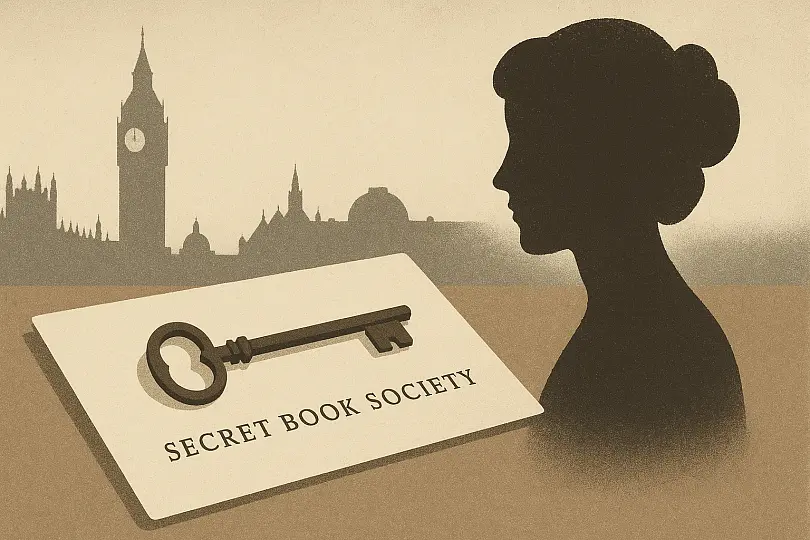
Defying war with words—secret readers risk all for forbidden books
What Readers Are Saying
Right for You If
If you’re the kind of reader who lives for stories about secret societies, swoon-worthy libraries, and bookish camaraderie, The Secret Book Society by Madeline Martin was pretty much written just for you. Seriously—if you love historical fiction with strong, courageous women and a dash of adventure, you’ll find yourself breezing through these pages (and probably reaching for a cup of tea while you do).
- Fans of "found family" vibes, book clubs, and hidden literary gems: This will totally scratch that itch. It’s all about community and the power of stories.
- Anyone who devoured historical fiction like The Book Thief, The Guernsey Literary and Potato Peel Pie Society, or anything World War II-related: You’ll definitely see echoes here, and Martin’s knack for weaving friendship and hope into dark times is a real treat.
- Readers who love stories centered on libraries, rare books, and the transformative magic of reading: You’ll be underlining so many passages, trust me.
- If gentle romance and character-driven plots are your thing: This story delivers both, but with a healthy dose of resilience and courage.
But—let’s be honest—not everyone will be obsessed.
If you’re not into slower-paced books that focus more on relationships and community building than dramatic plot twists, you might find this one dragging a bit. And if you crave high-stakes action or gritty realism, the cozy, hopeful tone may not hit as hard for you.
Basically, if curling up with a heartwarming, uplifting story about people coming together through their love of books sounds like your perfect evening, you’re in for a treat. If you’re looking for explosive plots and nonstop thrills, you might want to save this one for when you’re in the mood for something comforting and quietly powerful instead.
What You're Getting Into
Looking for a story that celebrates the power of books and friendship?
The Secret Book Society by Madeline Martin whisks you away to WWII-era Paris, where book-loving strangers band together, risking everything to preserve the magic of reading under the shadow of occupation. As they form a hidden library beneath the city’s streets, their courage and connection ignite hope—and defiance—when the world needs it most.
Love found family, history, and the thrill of forbidden stories? This one’s for you!
Characters You'll Meet
-
Lucy: Curious and imaginative protagonist who stumbles upon the Secret Book Society. Her passion for stories propels much of the plot as she finds friendship and purpose through books.
-
Miss Perkins: Warm-hearted librarian and gentle mentor who guides Lucy and other society members. She’s the glue that holds the club together, nurturing everyone’s love of reading.
-
Tommy: Lucy’s loyal friend who joins her in discovering the society. His practical thinking and steadfast support provide balance to Lucy’s more whimsical nature.
-
Mrs. Marsh: The wary headmistress who is skeptical of the society’s activities. She introduces tension, challenging the group’s secrecy and unity.
-
Edith: A shy, bookish girl who finds belonging in the group. Her growth from timidity to self-assuredness is a quietly touching element of the story.
More Like This
Stepping into The Secret Book Society feels a bit like turning the worn pages of The Guernsey Literary and Potato Peel Pie Society—both novels wrap you in the warmth of book-loving communities pulled together by courage and unlikely friendships during wartime. The sense of solidarity among readers facing adversity definitely sparks the same delight as in Shaffer and Barrows’ world.
At the same time, there’s a touch of the heart-racing secrecy and defiance you loved in The Book Thief by Markus Zusak. Here, rebellious storytelling and the saving power of literature echo through hidden libraries and whispered conversations, making each chapter shimmer with tension and hope.
If you’ve ever been drawn into the cozy, high-stakes world of All Creatures Great and Small (the recent TV series), you’ll notice similar vibes: a small-town ensemble, the importance of everyday kindness, and the sort of wit that makes even the darkest days feel lighter. So, whether you’re here for the quietly heroic bookworms or the gentle, slice-of-life moments, this story definitely promises a familiar charm with a courageous twist.
Critic's Corner
What if the simple act of reading became an act of rebellion? The Secret Book Society opens this question like a locked trunk, examining not just the thrill of clandestine pages, but the desperate hunger for autonomy beneath every whispered conversation and secret gathering. In drizzly, gaslit Victorian London—a place as full of stifling decorum as unspoken desires—Martin unspools the potent idea that books can be both lifeline and a spark in kindling revolution. The novel captures the ache of unrealized freedom, asking: Can courage be contagious when shared behind closed doors?
Martin’s storytelling glimmers with empathy—her prose oscillates between lush, sensory detail and crisp dialogue, echoing the tension between outward constraint and interior longing. She paints settings with deft brushstrokes: the gilded bleakness of grand drawing rooms, the sharp intimacy of hidden parlors, and the ever-present fog outside reflecting the women’s moral murkiness. The alternating point-of-view narration grants each protagonist a vivid, authentic voice. Eleanor’s stilted cadence contrasts starkly with Lavinia’s creative bursts and Rose’s measured, quietly restless observations, ensuring their struggles feel intimate, never interchangeable. Martin takes care with historical touches—period-appropriate idioms, customs, and even gestures—that ground the reader without feeling didactic. The pacing, while occasionally languid during scenes heavy with self-reflection, erupts in moments of risk and revelation; tea parties become charged, suspenseful interludes, and even a glance exchanged at a bookshelf tingles with danger. Dialogue is weaponized and then softened in equal measure, propelling relationships that always feel earned, never decorative.
At its heart, this novel crackles with themes that resonate well beyond Victorian England: the longing for self-definition, the secret solidarities of friendship, and the way stories—books or lived narratives—become tools of survival. Martin interrogates patriarchy’s chokehold through both overt frustrations and small, telling compromises. She’s careful, too, not to reduce liberation to sweeping grand gestures—sometimes, a whispered confession or a hidden novel tucked into a pocket is revolutionary. The friendship among Eleanor, Rose, and Lavinia forms the emotional backbone, demonstrating how courage, once shared, multiplies. The novel’s focus on reading as resistance feels timely, given contemporary debates about censorship and women’s autonomy; Martin’s characters hunger for art and agency as if they’re one and the same. The narrative also hints at the price of both silence and speaking out, exploring moral ambiguity rather than offering tidy resolutions.
Positioned in the realm of historical women’s fiction, The Secret Book Society joins the ranks of Jojo Moyes’ The Giver of Stars and Kate Morton’s The Forgotten Garden, yet it carves its own niche through the specificity of its setting and the complexity of its female cast. Compared to Martin’s prior work, this novel leans even further into ensemble-driven storytelling and social critique, making its stakes feel urgent and fresh.
Not every moment lands—the pacing suffers in the middle, and some secondary characters veer toward archetype—but the emotional authenticity and literary ambition shine. For lovers of historical fiction and stories of quiet resistance, this book is an essential, gorgeously rendered invitation to bravery.
Community Thoughts
Okay, so I did not expect to stay up until 3am clutching this book, but now I’m emotionally compromised and blaming The Secret Book Society for my lack of sleep. That twist? Rude. Someone please send tea.
Okay but WHY did I stay up until 3AM thinking about Vivienne’s secret? I haven’t lost this much sleep over a book in ages. It hijacked my routine and now coffee is my best friend. Worth it? Absolutely.
I stayed up till 3am because of this book, and now I’m running on caffeine and regrets. The way the library scenes unfolded just wouldn’t let me go. Why did I think I could read just one more chapter?
Did anyone else lose track of time after chapter twelve? I literally forgot to eat because I just had to know what would happen to Ivy next. My sleep schedule is wrecked but it was worth it!
Okay, so I thought I’d just skim a few pages before bed but then that twist when the society’s secret was revealed? Sleep? What’s that? Thanks Madeline Martin, now I’m a zombie at work.
Leave Your Review
Local Take
Why It Matters
Wow, "The Secret Book Society" by Madeline Martin really strikes a deep chord in this culture!
-
Parallel Historical Events:
In many ways, the novel’s clandestine fight for intellectual freedom mirrors this country’s own periods of censorship and underground literary movements. Think of past struggles for free speech—it’s almost eerie how the characters’ secret gatherings echo real-life forbidden book clubs and samizdat efforts. -
Cultural Values:
The story’s reverence for collective resilience, loyalty, and hope totally aligns with local values. The emphasis on community during hardship feels instantly familiar. However, the book’s nuanced portrayal of women’s resistance challenges some more traditional gender roles, making it feel surprisingly bold here. -
Why Plot Points Hit Differently:
Moments of betrayal and sacrifice feel extra intense for local readers, touching on generational memories of standing up against oppression. The riskiness of sharing and preserving culture under threat just resonates more when your own history is threaded with similar acts of quiet bravery. -
Literary Traditions:
Martin’s blend of suspense, empathy, and historical realism echoes beloved homegrown classics—yet the novel’s direct focus on bookish resistance also pushes local literature in a fresh, inspiring direction.
Food for Thought
Notable Achievement:
The Secret Book Society by Madeline Martin has quickly captivated readers, gaining widespread popularity for its heartfelt celebration of community and resilience. The novel has sparked an enthusiastic following among book clubs and historical fiction fans, praised especially for its nuanced depiction of women’s solidarity during wartime and for shining a light on lesser-known aspects of literary resistance.
Like what you see? Share it with other readers