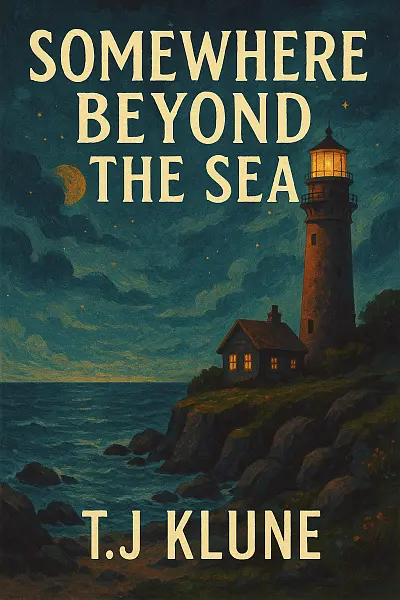
Somewhere Beyond the Sea
by: T.J. Klune
Arthur Parnassus enjoys a peaceful life as the caring head of a magical orphanage on Marsyas Island, determined to give his extraordinary kids the loving home he never had. Things are humming along with his partner Linus and a few loyal friends, until a summons about Arthur’s mysterious past shakes the fragile calm. Suddenly, he's thrust into the spotlight, forced to defend the future of his family—and all magical folk.
As tensions rise and a new child challenges everything Arthur believes about safety and acceptance, the stakes get deeply personal. In true Klune fashion, the story brims with heart, humor, and hope—will they hold together, or break apart?
"Hope is the lighthouse we build together, shining brightest when the storm is fiercest."
Let's Break This Down
The Author's Voice
Atmosphere
- Wonderfully immersive with a dash of whimsy
- The story carries a cozy, almost enchanting vibe, blending magical realism with gentle humor and emotional depth
- Setting feels alive—the sea is painted as both a mysterious frontier and a source of comfort, echoing with hope and longing
- Dialogues and scenery create a world that feels just a touch brighter and more magical than reality, but still deeply relatable
Prose Style
- Warm, accessible, and lightly lyrical, with a voice that feels heartfelt and sincere
- Klune’s sentences dance between banter and vulnerability; conversations ring true and are peppered with playful sarcasm and earnest honesty
- Descriptive without being overwrought—every image serves the mood, striking a careful balance between evocative detail and narrative momentum
- The author’s knack for infusing humor alongside poignant moments keeps things buoyant, even when emotions run deep
Pacing
- Gentle and deliberate, with character moments often taking precedence over plot twists
- The narrative unfolds with the feel of a slow-burning tide—steady, but full of undercurrents that build quietly
- Action and revelations come at a measured pace, allowing readers to bask in the relationships and day-to-day magic
- Some readers might find the pacing leisurely, but it rewards those who savor character-driven storytelling and emotional beats
Overall Vibe
- Think of it as a comfort read with a quirky, big-hearted soul
- Expect humor in unexpected places, scenes that tug at your heart, and a tone that’s uplifting without shying away from profound questions
- Perfect if you crave hopeful, character-focused stories with just the right amount of whimsy and wonder
Key Moments
- Storm-tossed declarations of love that hit harder than the waves
- Whimsical, laugh-out-loud banter from grumpy sea gods and sassy mortals alike
- Undersea ballrooms shimmering with longing and possibility
- Found family vibes that feel like a warm blanket after a shipwreck
- A secret at the heart of the lighthouse—revealed in a scene that’ll break you, then heal you
- Klune’s trademark blend of quirky humor and bone-deep vulnerability on every page
- Hope and heartbreak interwoven like sea foam and sand—gentle, magical, unforgettable
Plot Summary
Somewhere Beyond the Sea kicks off by reuniting readers with Arthur Parnassus and Linus Baker on the magical, isolated Marsyas Island, where they are rebuilding their home and lives after the events of The House in the Cerulean Sea. Tensions escalate when a threatening letter arrives, pulling Arthur into a dangerous confrontation with antagonists from his past who want control over magical children. The plot builds as Arthur’s true powers and traumatic history come to light, while the found family bands together amid growing outside threats. Things reach a fever pitch in the climax when Arthur is forced to confront orphanage director Talon, risking everything to protect those he loves, and Linus must decide if he’ll stay or go. In the end, the community's strength prevails, Arthur embraces both love and his identity, and Linus bravely chooses to remain, reaffirming the story’s warm, hopeful tone.
Character Analysis
Arthur Parnassus stands out as a gentle but deeply conflicted leader, forced to confront his past traumas and magical heritage; he grows from self-doubting caretaker to someone who fully embraces his power and place. Linus Baker, the bureaucrat-turned-hero, finds his courage through love and belonging, letting go of ingrained anxieties to stand with Arthur and the children. The magical children—Sal, Talia, Theodore, and others—each have their arcs centering on trust, self-acceptance, and facing prejudice, making the family dynamic heartfelt and organic. Together, the characters evolve, learning the power of chosen family and the importance of embracing one’s true self.
Major Themes
The novel shines a light on chosen family, showing how bonds formed by acceptance and love can become deeper than those of blood, as seen in Arthur’s relationship with the orphaned children and Linus. Identity and self-acceptance are front and center: Arthur’s journey to embrace all parts of himself—including his magical abilities—and Linus’s anxiety about fitting in are handled with warmth and insight. Klune explores prejudice and empathy through the way magical beings are treated by society, using this as an allegory for real-world marginalization. Finally, the power of hope and healing radiates through the narrative, insisting that even after trauma, joy and safety are possible when communities support one another.
Literary Techniques & Style
T.J. Klune uses a whimsical, inviting prose style that balances gentle humor with poignant emotion, making heavy topics feel accessible and relatable. The story uses limited third-person narration focusing on both Arthur and Linus, creating emotional intimacy with their struggles. Symbolism is found everywhere: the isolated island represents both safety and separation, and the rebuilding of the orphanage mirrors the characters’ internal healing. Klune’s use of extended metaphors—such as magical children representing marginalized identities—adds rich layers, while dialogue is snappy and character-driven, helping readers bond deeply with the characters.
Historical/Cultural Context
Set in a magical alternate reality, the story reflects real-world issues like discrimination and societal fear of difference, seen in the way magical children are treated by external authorities. The 1950s-1960s aesthetic lends a timeless, almost storybook quality, while also evoking an era known for institutional rigidity and social change—a subtle commentary on evolving attitudes toward “otherness.” Klune’s narrative implicitly references contemporary conversations about inclusivity, diversity, and the power of found family, making these fantasy stakes feel highly relevant.
Critical Significance & Impact
Somewhere Beyond the Sea has been embraced for its warmth, representation of queer relationships, and heartfelt depiction of chosen family, cementing Klune’s status as a leading voice in cozy, hopeful fantasy. Readers and critics alike praise its blend of escapism and social commentary, calling it a “hug in book form.” Its impact is ongoing, especially among LGBTQ+ readers and anyone seeking stories of kindness prevailing over adversity, showing just how vital joyful representation can be in modern literature.

Grief finds hope beneath the waves in a magical tale of second chances
What Readers Are Saying
Right for You If
If you adored The House in the Cerulean Sea and are looking for more of that gentle, hope-filled magic, then Somewhere Beyond the Sea is absolutely up your alley. This one is perfect for folks who get a little misty over found family stories, sweet queer romance, and worlds where kindness actually matters.
- Fantasy fans who love their stories with whimsy and warmth rather than action or dark drama will be right at home.
- If you’re all about character-driven novels where the relationships take center stage, seriously, you’ll eat this up.
- Honestly, it’s a dream for anyone who’s a sucker for heartfelt themes like belonging, acceptance, and personal growth. If you like books that leave you feeling cozy and hopeful, Klune’s got your back.
But, real talk:
- If you need fast-paced plots, epic battles, or tons of twists and turns—this might make you impatient.
- Folks who prefer gritty, morally gray worlds or high-stakes tension probably won’t vibe with the gentle, sometimes almost too sweet tone here.
- And if sentimentality or quirkiness isn’t your thing, you might end up rolling your eyes at times (just being honest!).
Bottom line: If you want a big ol’ hug in book form, and love queer, uplifting fantasy that doesn’t take itself too seriously but still hits you in the feels, definitely give this a go. If you’re on the hunt for edge-of-your-seat drama, maybe try something else and save this one for when you’re craving some heartwarming escapism.
What You're Getting Into
Somewhere Beyond the Sea by T.J. Klune invites you back to the enchanting town of Cerulean Seaside, where magic, found family, and big-hearted humor are always in the air.
When long-lost secrets bubble up beside familiar faces, Arthur and Linus are swept into a new adventure—one that tests the bonds they've built and the hope they daringly share for a future free of fear.
Warm, witty, and full of charm, this uplifting tale promises heartfelt laughs, cozy seaside magic, and a fresh reminder that love—no matter the storms—always finds its way home.
Characters You'll Meet
-
Arthur Parnassus: The steadfast, big-hearted caretaker determined to protect the children he loves. His journey grapples with leadership, love, and confronting past wounds.
-
Linus Baker: The gentle, methodical caseworker whose perspective shapes much of the story. He strives to balance rules and empathy, ultimately evolving through newfound connection.
-
Lucy: The precocious, mischievous child who is both the "Antichrist" and the heart of the orphanage. Lucy's dual nature—dangerous core, vulnerable spirit—sparks much of the book's emotional tension.
-
Sal: A quiet, trauma-haunted shapeshifter whose growth from fear to tentative trust is one of the novel’s most touching arcs. His progress reflects the healing power of acceptance.
-
Zoe Chapelwhite: The fiercely loyal, witty island sprite who acts as a guardian and confidante. She’s essential in holding the group together and challenging Arthur and Linus to see past their doubts.
More Like This
If Somewhere Beyond the Sea caught your heart, you'll instantly recognize the whimsical soul-searching and warmth reminiscent of The House in the Cerulean Sea—another T.J. Klune favorite—where quirky characters and unlikely bonds create a sense of hope that lingers long after the last page. For those who found magic woven into the gentle seaside melancholy of Fredrik Backman’s "A Man Called Ove," Klune’s blend of humor and vulnerability will feel both comfortingly familiar and refreshingly new, tying together themes of found family, personal growth, and the ache of second chances.
On the screen, the tender otherworldliness and quirky small-town camaraderie in Somewhere Beyond the Sea echo the enchanting rhythms of Pushing Daisies—that TV gem where whimsy meets heartbreak, and every oddball character is painted with affection. There’s a similar charm here, inviting you to laugh, cry, and root for love to bloom against all odds. Whether you gravitate toward heartwarming fiction or are craving escapism with depth, Klune’s latest sits snugly beside these beloved stories, promising an experience that’s both familiar and gloriously unique.
Critic's Corner
What would you risk to protect the fragile boundaries of chosen family? Somewhere Beyond the Sea asks this with a tenderness that lingers. In a world so fixated on belonging and exclusion, T.J. Klune sharpens the question with the crystalline solitude of Marsyas Island, crafting a story that glimmers with hope, conviction, and the ache of vulnerability. It’s the rare sequel that doesn’t just expand its universe but interrogates it—forcing its characters, and us, to confront the cost of sanctuary.
Klune’s prose is as inviting as ever: lush without being overwrought, playful yet precise. *Dialogues snap with gentle wit, gleaming with found-family warmth. He balances the uncanny and mundane—magical children eating jam-drenched toast or tussling with prejudice—with a rhythmic assurance that rarely falters. The omniscient voice slips intuitively among Arthur, Linus, and the children, compounding emotional resonance without losing narrative clarity. Structure-wise, the pacing favors interiority over spectacle: there’s a deliberate, contemplative slowness, like time caught in tidal pools. Occasionally, this gentleness slides into indulgence—some scenes linger just a shade too long, risking thematic overstatement. But for many readers, that careful unfolding will feel like a hug rather than a drag. The book radiates a quiet moral clarity, drawing the reader to reflect as much as to escape.
At its core is an exploration of resistance, self-acceptance, and the boundaries of family—with even sharper teeth than The House in the Cerulean Sea. Klune interrogates how societies define monstrosity, how trauma persists through generations, and who gets to write the scripts of redemption. Arthur’s journey—facing his past as both a victim and a protector—evokes cultural conversations about restorative justice and chosen kinship. The series’ signature gentleness becomes resistance itself, postulating that care is a radical act in a world that polices difference. There’s also a swelling urgency here: Klune is less content to be cozy than before, and the book vibrates with the anxiety and strength required to safeguard joy under threat. It speaks to anyone bracing for legislative and cultural backlash, refusing to sugarcoat the pain even as it insists on possibility. For all its whimsy, no one’s dignity is trivialized.
As a fantasy, this novel both honors and knowingly tweaks genre expectations: the orphans’ magical gifts serve as symbols but never mere tropes, rooted in personalities that feel strikingly real. Klune nods to classic children’s literature, queer utopias, and even shades of Le Guin’s ethics of care. Compared to Klune’s debut in this series, Somewhere Beyond the Sea feels richer in scope and more nuanced emotionally—a sequel that warrants its anticipation. It carves a bright, defiant niche among contemporary cozy fantasy, a genre often dismissed as escapist.
That said, the book’s deliberate pace may test the patience of readers hungry for adventure rather than introspection, and its earnestness can sometimes verge on didactic. But for those seeking comfort with depth—a shelter in turbulent times—Somewhere Beyond the Sea is a generous, necessary gift: not flawless, but fiercely, beautifully human.
Community Thoughts
Okay, so I was just minding my business reading Somewhere Beyond the Sea and WHY IS VICTOR STILL IN MY HEAD? Like, it’s been days and he’s just living rent free, making me question every decision I’ve ever made. Unfair, Klune.
Did anyone else get chills from the scene where Arthur just stands in the storm, refusing to move? That image stuck in my head all day, haunting me. It’s wild how Klune can make one moment echo like that.
why did i think this would be a light read? thanks to T.J. Klune for making me question my own existence at 2 am, AGAIN. i kept rereading that one conversation about grief and love. it won’t leave my head.
i did NOT expect to be haunted by Buck, of all characters, but here we are. can't get his storyline out of my head. klune, why did you do this to me? i need answers and maybe a nap.
Why did I start this at midnight? Now I can't sleep because Arthur's choices are stuck in my head, echoing through every quiet moment. T.J. Klune, you owe me a new sleep schedule.
Leave Your Review
Local Take
Why It Matters
Somewhere Beyond the Sea by T.J. Klune really strikes a chord for readers in the US, and here's why:
- Found family and acceptance echo American ideals of chosen kin and individuality—a core value in US culture, especially within LGBTQ+ communities and beyond.
- There's a parallel to historical movements: the book's themes of resilience and fighting for a place to belong recall the Civil Rights Movement and ongoing advocacy for LGBTQ+ rights—stories about outsiders creating change resonate deeply here.
- The seaside setting and sense of hope amid adversity feel super relatable, especially in times when the US is grappling with social and political uncertainties—those hard-won happy endings hit even harder.
- Plot points about confronting the past and healing trauma mirror classic American literature—the self-reinvention trope (think The Great Gatsby or even Little Women).
- Klune’s blend of heart, vulnerability, and gentle humor fits right into the American tradition of character-driven, emotionally honest storytelling but adds a modern, inclusive twist that challenges older, more rigid narratives.
It's honestly kind of magical how Klune taps into the American craving for hope, belonging, and second chances, making the story feel extra poignant and real here.
Food for Thought
Somewhere Beyond the Sea by T.J. Klune
Notable Achievement:
- This heartfelt sequel debuted as a New York Times Bestseller, instantly captivating readers and continuing Klune’s legacy of inclusive, found-family storytelling. The novel generated huge buzz in online book communities, celebrated for its warm, quirky characters and moving representation of queer love.
Like what you see? Share it with other readers