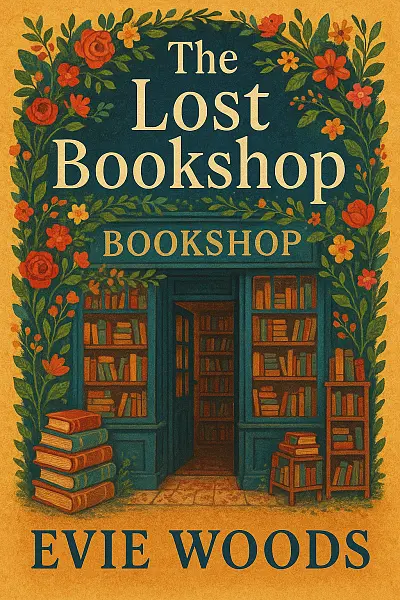
The Lost Bookshop
by: Evie Woods
Opaline, Martha, and Henry each wander through quiet Dublin days, stuck in roles that leave them yearning for something more. When a mysterious, vanishing bookshop unexpectedly appears, it beckons them inside with the promise of transformation.
Pulled together by the shop’s beguiling magic, the trio discovers hidden stories—both on the shelves and within themselves. But as the secrets of the shop unravel, their newfound connection is put to the test, forcing them to confront what they’re actually willing to risk for a different kind of life.
Sweeping readers into a world of wonder, this novel weaves atmosphere and whimsy with a heartfelt question: will they dare to step into their own extraordinary stories?
""In the quiet corners of forgotten stories, we often find the chapters we didn’t know our hearts were missing.""
Let's Break This Down
The Author's Voice
Atmosphere
Enchanting, wistful, and quietly magical. The Lost Bookshop brims with the nostalgic, slightly dust-dappled air of hidden doorways and stories waiting between the shelves. Settings are lushly described—think creaking floorboards, mottled sunlight, and old paper—creating that irresistible old-bookshop coziness. Yet, a ribbon of melancholic longing weaves through the narrative, giving scenes both wonder and a tinge of sadness.
Prose Style
Warm, gentle, and unhurried. Evie Woods writes with a comforting tone, using accessible yet evocative language that wraps you up like a soft blanket. The sentences rarely rush; instead, they flow elegantly, building a mood that’s both intimate and inviting. Dialogue has a natural, realistic lilt, and there’s subtle lyricism in the descriptions, but the prose stays approachable without drifting into purple territory.
Pacing
Measured and deliberate, with a gradual unfolding. The plot doesn’t race through twists—it meanders, slowly revealing secrets and character histories. Some may find this tempo soothing and atmospheric, perfect for sinking in on a rainy day, while others might wish for a bit more propulsion, especially in the book’s quieter middle stretches. The leisurely pace allows plenty of time for character introspection and atmospheric immersion.
Character Focus
Emotionally attuned, driven by personal journeys. Woods crafts characters who feel real and quietly complex, navigating grief, hope, and second chances. You’ll find the focus very much on their inner lives—expect lots of reflection and emotional unraveling. Relationships, both romantic and platonic, play out in understated but resonant ways.
Tone & Mood
Bittersweet, gently whimsical, and hopeful. There’s a lovely sense of possibility, the kind that makes even small discoveries feel magical. Yet the tone never turns saccharine, thanks to persistent undertones of loss and resilience. The book embraces imperfections and healing in a way that’s uplifting but never naive.
Overall Feel
Reading The Lost Bookshop is like wandering through a beloved secondhand bookstore: there’s a faint air of mystery, a soothing sense of nostalgia, and the quiet thrill that something extraordinary might be hidden in plain sight.
Key Moments
- Eccentric shopkeeper Martha’s hidden attic and the secrets it hoards
- Letters from the past that unravel mysteries of love, loss, and resilience
- Dual timelines intertwine—Dublin’s literary bohemia meets present-day desperation
- Violet’s tear-streaked confession in the rain—raw, vulnerable, unforgettable
- That spine-tingling moment when an “impossible” author’s signature emerges from a dusty tome
- Magical realism sneaks in quietly, blurring lines between myth and memory
- Books become refuge, battleground, and compass for lost souls searching for belonging
Plot Summary
The Lost Bookshop by Evie Woods weaves together the lives of three protagonists across different timelines, all connected by the mysterious bookshop in Dublin. Martha, on the run from an abusive marriage in the present day, discovers the seemingly magical, ever-shifting bookshop and forms a connection with Henry, a grieving academic searching for a rare lost manuscript. In parallel, in 1920s England, aspiring author Kitty struggles against restrictive gender norms, fighting to reclaim her voice and fate—her path eventually connecting to the origins of the bookshop itself. Twists include the revelation that the lost manuscript is a Brontë original and that Martha’s new life is deeply entwined with the fate of both Henry and Kitty. The climax brings all three plotlines to a head as the secrets of the bookshop unravel, with Martha finding freedom, Henry attaining peace, and Kitty's legacy restored. In the resolution, the characters embrace new beginnings, and the bookshop’s magical purpose is celebrated as a safe haven for lost souls and stories.
Character Analysis
- Martha undergoes the most dramatic transformation, from a fearful, self-doubting woman trapped by her abusive husband to someone who learns to trust herself and reclaim agency through her connection with the bookshop.
- Henry begins as obsessive and emotionally numb, haunted by personal tragedy, but through his quest and friendship (then romance) with Martha, he learns vulnerability and finds meaning beyond academic achievement.
- Kitty is a historical trailblazer, rebelling against society’s limits on women; her persistence to be heard and recognized as an author drives her arc, and her courage resonates through the generations. Together, their development showcases resilience, interconnectedness, and the healing power of stories.
Major Themes
One central theme is the transformative power of literature, with the bookshop itself acting as a magical space where stories not only shape individual destinies but also knit together generations. Another key theme is female empowerment and self-discovery, particularly visible in Martha’s and Kitty’s stories—both fight for their right to be heard and to define their own identities. The novel also delves into healing from trauma, showing both Martha and Henry overcoming grief and past wounds through connection, community, and the written word. These themes are embodied in moments like Martha’s decision to stay and fight for the bookshop or Kitty’s refusal to let her manuscript be silenced.
Literary Techniques & Style
Evie Woods uses a dual (and sometimes triple) timeline narrative structure, deftly intertwining chapters set in the present and the 1920s, which keeps readers engaged and slowly reveals how the characters’ lives intersect. Her lyrical prose creates a deeply immersive aura, especially in descriptions of the bookshop, infusing it with a sense of enchantment and hidden possibility. Symbolism abounds: the bookshop represents sanctuary, transformation, and the hidden histories of women, while the lost Brontë manuscript metaphorically stands in for lost voices and rediscovered agency. Metaphors around light, dust, and restoration are repeatedly used to underscore healing and hope.
Historical/Cultural Context
Much of Kitty's narrative unfolds in post-World War I England, highlighting the restrictions faced by women in literature and society during that period; these historical references deepen her struggles and victories. The present-day setting in Dublin captures the lasting impact of trauma and the search for belonging, mirroring broader cultural conversations about mental health and found family. The interplay between eras echoes real literary and feminist movements, making the bookshop’s history feel both magical and oddly plausible.
Critical Significance & Impact
The Lost Bookshop has been warmly received for its heartfelt depiction of resilience and celebration of storytelling, striking a chord with readers drawn to bookish, historical, and feminist narratives. While not without critics—some note the magical elements strain credibility—the novel’s blend of comfort, mystery, and inspiration makes it a contemporary favorite among fans of books about books. Its enduring appeal lies in its affirmation of lost voices and second chances, prompting readers to cherish the stories that shape our lives and to imagine sanctuaries where hope is always waiting to be found.
Lost stories, hidden lives—where forgotten books change destinies
What Readers Are Saying
Right for You If
If you live for stories about cozy bookshops, hidden secrets, or getting swept up in the magic of bookish places, then The Lost Bookshop is totally up your alley. People who adore dual (or even triple!) timelines, a bit of historical mystery, and characters with complicated pasts will probably get lost in these pages and not want to be found. If you’re into books like The Keeper of Lost Things or The Midnight Library, or you just love stories that tie people together across time, this one’s got that sweet spot of nostalgia and hope.
Romantics at heart—especially anyone who likes their love stories to be subtle but meaningful—will appreciate the slow-burn relationships and the sheer charm of the setting. Historical fiction lovers who don’t mind a modern twist, as well as readers who crave a touch of magical realism, will find their comfort zone here.
But, heads-up: if fast-paced thrillers are your jam, or you want plot twists coming at you every chapter, this might feel too gentle and meandering. Folks who prefer neatly tied-up endings or zero unanswered questions may also find the layered timelines a bit much. And if you aren’t much for introspective, character-driven stories, you might be left wishing for more action.
Overall, if you’re looking for a bookish hug, a little bit of literary whimsy, and stories about finding your place (in more ways than one), you’re exactly who should pick this up. If you want something gritty, action-packed, or totally straightforward, maybe try something else first—but keep this one in mind for when you need a little magic!
What You're Getting Into
Step into a whimsical, time-swirling London, where the mysterious Lost Bookshop quietly bridges stories and eras.
Three unforgettable characters—each searching for answers and solace—are drawn into the shop's enchanting world, uncovering secrets inked in the shelves and battling their own pasts along the way.
With its cozy, magical atmosphere and intertwining mysteries, this novel is perfect for anyone who dreams of second chances and the kind of bookshop where stories come alive.
Characters You'll Meet
-
Opaline: A reclusive 1920s bookshop owner with a mysterious past; her secret narrative weaves the historical storylines together and drives the novel’s sense of intrigue.
-
Martha: A modern woman fleeing an abusive marriage; her emotional journey towards self-rediscovery and healing anchors the contemporary strand of the novel.
-
Henry: A passionate academic searching for a legendary lost manuscript; his quest for the book leads to personal revelations and connections with the other main characters.
-
Kit: A troubled young woman facing homelessness; her determination and vulnerability bring warmth to the ensemble, intertwining the fates of the character trio in the present-day chapters.
More Like This
If The Lost Bookshop by Evie Woods swept you up, there’s a good chance you’ll find the atmospheric charm and literary enchantment reminiscent of The Midnight Library by Matt Haig—both novels dive deep into the transformative power of books and the hidden doors they open in our lives, making ordinary worlds pulse with possibility. At the same time, readers may spot echoes of Erin Morgenstern’s magical realism in The Night Circus, especially in how Woods infuses everyday moments with a subtle touch of magic, turning a simple bookshop into a portal both literal and emotional; the quiet mysteries and the allure of found families will feel warmly familiar if you love Morgenstern’s subtle yet immersive worlds.
On the big screen, the wistful nostalgia and bookish whimsy call to mind the film You’ve Got Mail, which similarly spins the romance and mystery of a small bookshop into something altogether enchanting. The way Woods blends romance, serendipity, and the cozy comfort of tucked-away corners will spark the same kind of gentle delight you get from curling up to watch a beloved rom-com—there’s that tender collision of fate and second chances that makes every page a little brighter.
Critic's Corner
What if the hidden chapters of our lives lie scattered on forgotten shelves, waiting for us to find the courage to read them? The Lost Bookshop by Evie Woods cuts right to the heart of this question, reminding us that every overlooked soul is a story on the cusp of becoming extraordinary—if only we pay attention. The novel asks: How many of us settle for being a minor character in our own lives, distracted by routine or regret, instead of embracing the adventure still possible? Woods’ tale compels us to look for magic in the mundane and question: are we truly living, or are we only reading about living?
Woods’ writing is breezy and lucid, gracefully balancing that cozy, old-world charm of bookshops with deft touches of mystery and longing. Her style leans conversational, brimming with evocative imagery but refreshingly clear of purple prose. Lyrical moments—like the hush of dust motes in sunbeams or the scent of ancient paper—immerse readers without slowing the pace. Through shifting points of view, Woods stitches together Opaline, Martha, and Henry’s voices; each chapter flows with distinct emotional coloring, making the entwined stories feel intimate and alive. A particular strength is how dialogue carries both warmth and subtext; interactions ring true, shot through with desire, reticence, and the ache of what’s not said. Occasionally, the symbolism—a vanishing bookshop as gateway to self-discovery—feels a tad on-the-nose, yet Woods knows her audience, and most book lovers will find this transparency endearing rather than cloying. The plotting is nimble, weaving present-day dilemmas with secrets from the past, propelling the reader from chapter to chapter with a gentle suspense that never feels forced.
At its core, The Lost Bookshop is about transformation, courage, and the quiet magic of connection. Woods deftly explores the ways in which literature shapes identity, offering sanctuary and pushing us to see ourselves anew. The narrative grapples with self-effacement—what it means to recede from your own life—and the slow, stubborn journey back to agency. It’s also unafraid to interrogate loneliness and the dangers of stories left untold, whether in love, family, or dreams deferred. Woods nods to feminism—how women’s ambitions have historically been relegated to the margins, like unclaimed books—and how reclaiming narrative power is an act of everyday resistance. In a post-pandemic world where solitude and reinvention have become so familiar, these themes resonate with rare force. The motif of the lost bookshop as both sanctuary and crucible feels urgent: Who gets to write their story, and who is lost to time?
Fans of novels like The Keeper of Stories and The Lost Apothecary will recognize Woods’ delight in uncovering secret histories and unexpected kinships. She’s in dialogue with the tradition of literary “bookshop fiction”—think Nina George’s The Little Paris Bookshop or Jenny Colgan’s The Bookshop on the Corner—but carves out her own, more mysterious niche. What distinguishes Woods is her focus on self-effacement and the subtle, lifelong work of reclaiming one’s voice.
There are moments when the narrative’s whimsical elements risk tipping into predictability, and a few characters (especially the male leads) could have benefited from deeper shading. Still, Woods’ affection for her cast and her celebration of the healing power of books shine through. The Lost Bookshop is a heartwarming, gently magical read—affirming, if not always surprising—and a love letter to anyone who’s ever dared to believe their story matters.
Community Thoughts
so i literally stayed up until 3am because Tom kept making me wonder what was real and what wasn't. the way his story unfolded totally wrecked my sleep schedule but i couldn't stop. haunting in the best way.
Honestly, I can’t stop thinking about the way Martha lingers in the story. Her presence gave me chills and kept me peeking around corners in my own house. Why did she feel so real? I’ll never be the same after meeting her.
I wasn’t ready for Opaline’s story to take over my brain like that. Seriously, I kept thinking about her even after I finished. Evie Woods crafts characters that linger long after you close the book.
I was just reading along and suddenly BAM that twist with Opaline hit and I had to put the book down, question my own reality, and then pick it up again because WHAT JUST HAPPENED? Evie Woods, why do you do this to us?
Honestly, I read The Lost Bookshop thinking it'd be a cozy escape but ended up wide awake at 3 AM, obsessing over Martha’s secrets. That twist? Yeah, thanks for my ruined sleep schedule, Evie Woods!
Leave Your Review
Local Take
Why It Matters
The Lost Bookshop by Evie Woods strikes a special chord with readers in Ireland, weaving themes of memory, identity, and hidden histories that echo the nation’s own complex past. The book’s focus on lost women’s voices and piecing together forgotten stories feels especially poignant here, where there’s been a renewed social reckoning with institutional history and marginalized narratives—think of parallels with the Magdalene Laundries and the push to recover silenced women’s experiences.
Irish readers will totally get the love for books as living bridges between generations, tapping into the local tradition of oral storytelling and reverence for literature. The cozy-yet-haunting mood, with its magical realism, also resonates—think contemporary echoes of Maeve Binchy’s warmth mixed with John Banville’s spectral atmospherics. Some plot twists involving secrecy and shame might hit differently given Ireland’s history of social conservatism, making the story both a comfort and a gentle challenge to reflect on change.
Food for Thought
Notable Achievement for The Lost Bookshop by Evie Woods:
- The Lost Bookshop became an instant hit with readers, making its way onto the Sunday Times bestseller list and earning a reputation as a beloved "comfort read" for book lovers.
- Its blend of historical intrigue and magical realism has sparked vibrant book club discussions and cemented its place as a modern favorite in the genre of novels celebrating the power of books and storytelling.
Like what you see? Share it with other readers