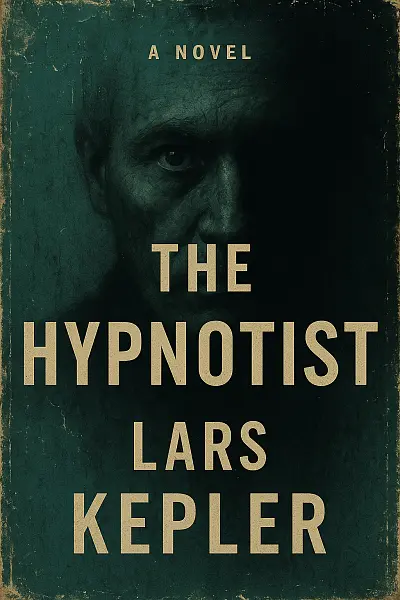
The Hypnotist
by: Lars Kepler
Erik Maria Bark, a weary psychiatrist in snowy Stockholm, is jolted awake by a desperate call in the middle of the night. Detective Joona Linna pleads for his help: a gravely injured boy—the only witness to his family's savage murder—lies unresponsive in the hospital.
Through the risky use of hypnosis, Erik tries to reach the traumatized child, hoping the boy can reveal who is behind the killings. As Erik and Joona race against time to uncover the truth, the possibility of saving the boy’s missing sister hangs in the balance.
It’s an intense, chilling thriller that keeps you wondering—will they make it in time?
""In the shadows of memory, truth waits to be seen, but facing it demands we dare open our eyes.""
Let's Break This Down
The Author's Voice
Atmosphere
Dark, chilling, and relentlessly suspenseful—Lars Kepler crafts an unsettling world that hums with menace. The book’s settings are stark and often claustrophobic, from snowy Swedish suburbs to dim hospital wards, amplifying feelings of isolation and dread. Expect a persistent undertone of anxiety; every chapter seems infused with a kind of creeping unease, making it perfect for fans of Scandinavian noir.
Prose Style
Sharp, cinematic, and direct, the writing wastes no time on frills. Kepler’s language is clean but vividly descriptive, using short, punchy sentences that keep the tension taut. Dialogue is brisk and authentic, giving you just enough to piece things together without slowing down the momentum. There’s a cool detachment to the narration that fits the thriller genre, blending efficiency with unnerving detail—think snapshots rather than sprawling portraits.
Pacing
Rapid-fire and relentless. Chapters are intentionally brief, and the narrative leaps between timelines and perspectives, upping the anxiety and never letting you relax. Cliffhangers are a Kepler trademark here; this book is a true page-turner, constantly urging you to read “just one more chapter.” However, some readers might feel the brisk pace leaves little room for deeper character exploration or atmospheric lingering.
Mood
Bleak, tense, and emotionally charged. You can expect a constant push-and-pull between psychological intrigue and bursts of visceral action. The tone lives in the shadowy overlap of fear and fascination, pulling readers into a space where nothing—and no one—ever feels completely safe.
Overall Feel
Kepler’s style feels like a cinematic thrill ride—ice-cold yet emotionally harrowing. If you love books that get your heart racing and don’t mind a little darkness along the way, The Hypnotist is absolutely in your lane. This is modern Scandinavian crime: grim, gripping, and compulsively readable.
Key Moments
- Hypnotic trance interrogation that unlocks a buried family massacre
- Jaded detective Joona Linna’s relentless logic slicing through moral gray zones
- Erik the hypnotist, haunted by his own broken past, walking the tightrope between healer and manipulator
- Snowstorm-surrounded hospital becomes a claustrophobic stage for psychological cat-and-mouse
- Gut-punch flashbacks that turn victims and perpetrators inside out
- A family secret spiraling into chilling, unexpected violence
- Shock ending that lingers, turning trust and memory into a dangerous game
Plot Summary
The Hypnotist spins a tense, dark crime tale set in Sweden. Detective Joona Linna investigates a brutal family massacre, with only teenage Josef surviving—barely—prompting psychologist Erik Maria Bark to hypnotize the boy for clues, even though Erik swore years ago never to use hypnosis again. As secrets surface, Erik’s estranged wife Simone and their son Benjamin are thrust into danger when Benjamin is kidnapped, revealing chilling links between Erik’s buried past and the current horrors. The narrative weaves through disturbing revelations: Josef himself committed the murders, manipulated by trauma and family dynamics, while Erik’s own traumatic history and controversial hypnosis practices come under scrutiny. The climax merges the two plotlines as Joona and Simone race against time to save Benjamin, ultimately bringing both cases to a harrowing resolution and forcing the characters to confront the cost of deception and psychological trauma.
Character Analysis
- Joona Linna emerges as a razor-sharp, dogged investigator with unwavering determination, but his empathy and relentless sense of justice set him apart from the stereotypical hardened detective.
- Erik Maria Bark is complex—a once-renowned hypnotist haunted by his past mistakes, grappling with guilt and a fraught marriage; his frantic efforts to rescue his son prompt introspection and reluctant courage as the plot unfolds.
- Simone Bark transforms from somewhat peripheral figure to fierce, resourceful mother under pressure, driving the action and demonstrating grit as she helps search for Benjamin.
- Josef, the severely traumatized survivor and perpetrator, remains enigmatic yet tragic; his arc reveals both the devastating consequences of abuse and the gray areas of guilt, innocence, and manipulation.
Major Themes
- Trauma and Memory: The novel dissects how suppressed memories and unresolved psychological wounds ripple through lives, affecting both victims and their families—Erik’s past failures and Josef’s actions exemplify this.
- The Ethics and Dangers of Hypnosis: The story raises difficult questions about consent, responsibility, and the unforeseen fallout of psychological intervention; Erik’s abandonment of and reluctant return to hypnosis shape much of the drama.
- Family and Trust: Fractured relationships, secrets, and lost trust drive the suspense—Bark’s marriage, Josef’s warped family, and even Joona’s connection to his work all speak to the fragility and power of familial bonds.
- Justice and Redemption: Underneath the crime-thriller veneer, there’s a real search for moral reckoning—can Erik, Simone, and even Joona find redemption after all that’s lost?
Literary Techniques & Style
Lars Kepler’s prose is brisk, cinematic, and loaded with cliffhangers—short chapters, quick scene shifts, and sharp dialogue create an almost breathless pace, pulling readers through the tangled plotlines. Flashbacks and shifting perspectives add psychological depth, especially as Erik’s past is gradually unveiled alongside the present investigation. Symbolism runs quietly but effectively throughout: hypnosis stands in for both the power and limits of human understanding, while darkness and cold imagery set a mood of pervasive menace. While the relentless plot sometimes overshadows deeper thematic exploration, the layering of tension and psychological detail keeps the novel intensely engaging.
Historical/Cultural Context
Set in contemporary Sweden, the book uses its chilly, urban landscape to evoke a sense of isolation, anxiety, and hidden menace—mirroring trends in Nordic noir. Issues like mental health stigma, pressures on families, and the Swedish justice system reflect social commentary relevant to modern Scandinavia. The growing public interest in psychological crime fiction and debates over therapy ethics shape the novel’s topics and its tense, morally ambiguous world.
Critical Significance & Impact
The Hypnotist helped catapult the husband-and-wife writing team behind the Lars Kepler pen name to international bestseller status, establishing their brand of psychological, fast-paced Nordic noir. The novel’s blend of graphic crime fiction with intense psychological drama contributed to a resurgence of dark, morally complex thrillers. Its immersive style, willingness to probe uncomfortable ethical questions, and character-driven suspense continue to draw fans and spark debate, making it a touchstone for anyone exploring modern Scandinavian crime literature.
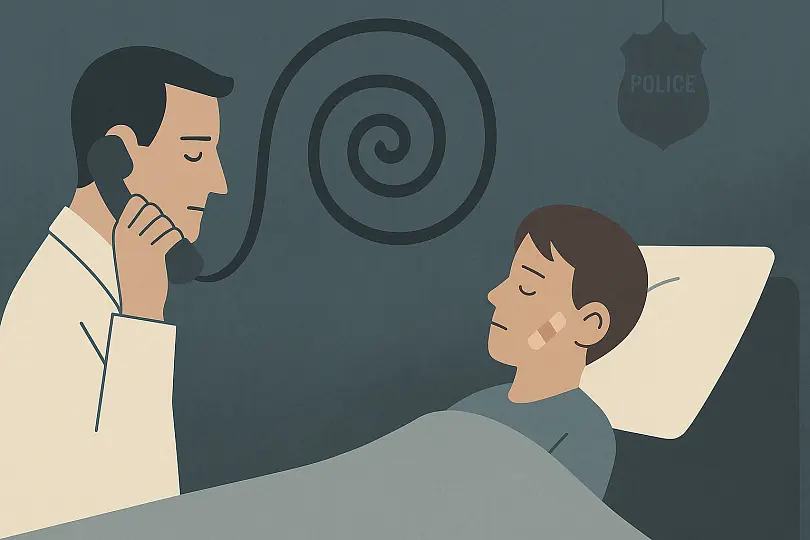
Secrets buried in memory, unleashed by a hypnotist’s deadly gaze
What Readers Are Saying
Right for You If
Are You the Right Reader for The Hypnotist by Lars Kepler?
If you’re one of those people who lives for dark, twisty crime thrillers that play mind games with you, this is totally your jam. Seriously, if you binge Scandinavian noir dramas or love crime novels that leave you with chills, you’re going to tear through this book. The murder mystery is gripping, and the psychological edge will have you side-eyeing everyone around you.
- Fans of high-stakes suspense and those who enjoyed authors like Jo Nesbø, Stieg Larsson, or Karin Slaughter—this one definitely belongs on your TBR pile.
- Anyone who loves a fast-paced plot with lots of cliffhangers, complex characters, and a bit of a dark, gritty vibe? Yes, you. You’ll fly through these pages.
- If you’re drawn to books exploring the messiness of trauma, secrets, and how the mind works under pressure, this is your playground.
However, if you’re a little squeamish about violence (especially pretty graphic descriptions) or you’d rather not read about disturbing family dynamics and emotional trauma, honestly, this might be a bit much. It doesn’t pull its punches—so if you need your thrillers a little lighter or prefer cozy mysteries, you might feel like you wandered into the wrong book club.
And, to be super upfront, if you’re big on super-deep character introspection or literary prose and care less about a racing plot, you might feel like there’s not quite enough meat for you here.
Basically:
If you want a hair-raising crime thriller with lots of twists, The Hypnotist is right up your alley. But if you’d rather not have nightmares or are looking for something calm and cozy, maybe keep searching.
What You're Getting Into
Buckle up for a pulse-pounding ride through the darkest corners of Stockholm in Lars Kepler’s The Hypnotist.
When a brutal crime shakes the city, detective Joona Linna enlists the help of a troubled hypnotist, Erik Maria Bark, to unlock the traumatized mind of the only surviving witness.
But as Bark is drawn deeper into the investigation, he’s forced to confront chilling secrets from his own past—escalating the stakes in a relentless game of trust and deception.
This gripping Scandinavian thriller delivers a twisty blend of psychological suspense, unsettling atmosphere, and razor-sharp pacing that’ll keep you hooked till the very last page.
Characters You'll Meet
-
Erik Maria Bark: Renowned hypnotist and trauma specialist who is reluctantly drawn into a brutal case, wrestling with his own haunted past while trying to help police solve the crime.
-
Joona Linna: Sharp, determined detective whose relentless investigation style drives the story forward; teams up with Erik to crack a perplexing and violent case.
-
Simone Bark: Erik's wife, who finds herself entangled in the unfolding danger, grappling with marital secrets and the mounting threat to her family.
-
Josef Ek: Severely traumatized teen and key witness to a horrific family massacre; his hypnotic sessions with Erik unlock dark twists and propel the mystery.
-
Benjamin Bark: Erik and Simone's son, whose safety becomes pivotal to the emotional stakes when he is targeted—adding raw urgency and tension to the plot.
More Like This
If the tension and psychological depth of The Hypnotist pulled you in, it’s hard not to think of Stieg Larsson’s The Girl with the Dragon Tattoo—both are Swedish thrillers at heart, unraveling chilling crimes while spotlighting detectives tormented by their own pasts. The Hypnotist leans into the same dark, moody Scandinavian atmosphere, but amps up the psychological stakes with its focus on a hypnotist’s controversial techniques, delivering twists that feel both original and uncomfortably intimate.
For fans of Michael Connelly’s Harry Bosch series, you’ll notice a familiar grit in the investigative details throughout The Hypnotist. While Connelly’s LA streets may be a world away from snowy Stockholm, the novels share a compulsively readable blend of harrowing crime scenes and relentless detectives—you get that same propulsive plot but with a chilling Nordic edge.
And if you couldn’t take your eyes off the unsettling mind games of Mindhunter on Netflix, The Hypnotist echoes that unnerving exploration of what drives people to commit horrific acts. There’s the same hypnotic intensity as criminal and investigator circle each other, all set against a backdrop where psychological wounds cut deeper than the crimes themselves. It’s exactly the kind of story that messes with your head in the best possible way.
Critic's Corner
What if the truth you find inside the mind is more horrifying than any physical evidence? The Hypnotist by Lars Kepler dives into the murky questions of trust, memory, and the ethics of uncovering deep psychological wounds. In a cold, menacing Stockholm, fractured families and guilty secrets confront the reader with the thin line between healing and harm—posing uncomfortable queries about whether empathy or knowledge is the ultimate goal of justice.
Kepler’s writing style is brisk and cinematic, propelling the reader through taut, short chapters that expertly ratchet up suspense. The narrative benefits from shifting perspectives, primarily weaving between the troubled hypnotist Erik Maria Bark and the persistent detective Joona Linna. This structure—alternating both tense present action and psychological introspection—keeps the reader slightly off balance, heightening unease. Kepler wields language with cool precision: his descriptions of the Swedish winter and sterile hospital halls evoke an icy, claustrophobic atmosphere. Dialogue is sharp, if sometimes utilitarian, and character backstories are revealed with delicate, tantalizing slowness. While the pacing is relentless, it does, at times, tip into melodrama—particularly during flashbacks, where trauma is mined for tension rather than deeper understanding.
Beyond the mechanics of a thriller, The Hypnotist grapples with weighty themes: the ethics of hypnosis, the unreliability of trauma-induced memory, and the damage parents unwittingly inflict on their children. The book explores the seductive power of control—whether psychological, criminal, or therapeutic—and the consequences when that power is abused. Kepler cleverly nods to Sweden’s anxieties about domestic violence and the failures of its institutions to protect those most vulnerable. There are pointed undercurrents about the cost of professional secrecy and the impossibility of remaining neutral in the face of suffering. Even as the novel barrels toward its revelations, it leaves the reader pondering whether “knowing” someone fully is ever possible, and if true empathy can exist without trespass.
Placed alongside the Scandinavian noir tradition—think Stieg Larsson’s Millennium trilogy or Henning Mankell’s Wallander novels—Kepler’s work both honors and subverts expectations. The Hypnotist maintains the genre’s signature grimness and emphasis on psychological depth but leans harder into moral ambiguity and the blurred boundaries between victim and perpetrator. The book’s clinical tone, interlaced with intimate glimpses of trauma, sets it apart from more formulaic crime fare. For returning Kepler readers, Joona Linna’s complex, empathetic presence anchors the chaos.
Strengths? The relentless pacing, atmospheric detail, and thoughtful engagement with complex themes. Weaknesses? Occasional overreliance on shock, thin secondary character arcs, and a solution that feels almost too tidy for such tangled emotional terrain. Still, The Hypnotist is a gripping, chilling addition to contemporary crime fiction—intellectually provocative as it is viscerally suspenseful.
Community Thoughts
Honestly, I STILL HEAR THE SCREAMS FROM THAT BASEMENT SCENE. Kepler made me sleep with the lights on for DAYS. If you value peaceful dreams, maybe skip this one... or embrace the nightmares.
Wait, that scene where Erik Maria Bark tries to reach the traumatized boy? I legit held my breath. The tension was so thick I could barely keep reading. Chills.
Honestly, I didn’t know a book could leave me THIS rattled. That opening crime scene? I kept double-checking my locks for days. The tension crept off the page and crashed my sleep—Kepler, you owe me some rest.
Okay, so THAT SCENE with the ice rink? I could barely breathe. Jurek just slithered into my brain and set up camp. Sleep? Not a chance. Kepler twisted my mind up and spit it out.
I was up all night after that icy lake scene. I mean, who can SLEEP after Erik’s mind games twist the whole plot upside down? The tension never lets you go. Seriously, read with the lights on!
Leave Your Review
Local Take
Why It Matters
The Hypnotist by Lars Kepler really taps into that relentless curiosity and underlying tension you find in a lot of Nordic crime fiction, but reading it in this (English-speaking, Western) context adds some intriguing layers.
-
Let’s be real — those icy, isolated Swedish landscapes? They echo the chilly, detached feeling people sometimes have about modern urban life here, too. The book’s focus on trauma and psychological scars also feels super relevant, given ongoing conversations around mental health in our culture.
-
Themes of justice vs. vengeance spark thought-provoking parallels with everything from true crime obsessions to real-life debates over policing and forgiveness. The procedural style? It aligns with the local appetite for tightly plotted mysteries (think: classic detective stories, gritty thrillers), while the twisty, sometimes dark family dynamics might hit even harder for readers who see echoes of generational secrets in their own histories.
-
Kepler’s blend of clinical detachment and raw human emotion clashes a bit with traditions of emotional directness in storytelling here, making the hypnotist’s cold approach both mesmerizing and a little unsettling.
Overall: it’s a twisty, chilly ride that engages local readers’ love of deep, morally complex mysteries — and it absolutely gets under your skin in ways that feel surprisingly personal.
Food for Thought
Notable Achievement:
The Hypnotist by Lars Kepler made a huge splash internationally—it was shortlisted for the prestigious CWA International Dagger and sold over a million copies in Sweden alone, quickly cementing itself as a global phenomenon in the Nordic noir genre!
Like what you see? Share it with other readers