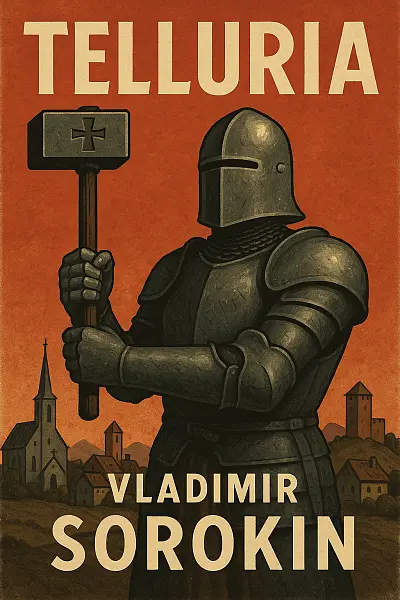
Telluria
by: Vladimir Sorokin
In a fractured, neo-feudal Europe, all sense of unity is gone, and every tiny nation clings to its own strange identity. Across this wild map, wanderers, knights, and rulers are hungry for tellurium—a powerful, mind-altering metal that promises bliss but could just as easily kill.
When the temptation of transcendence through tellurium spikes sweeps through every corner, fiercely-held beliefs and rivalries erupt. Now, disparate souls—peasants, radicals, even a dog-headed philosopher—scramble for meaning, risking sanity and survival in the quest for truth, purpose, or mere escape.
Will they resist the lure, or will tellurium reshape everything they know?
"“When the future splinters, each fragment dreams it is whole.”"
Let's Break This Down
The Author's Voice
Atmosphere
Telluria envelops you in a kaleidoscopic, slightly surreal Russia of the future—a place as disorienting as it is darkly satirical. Expect a mix of bleakness and biting humor, where chaotic landscapes and absurd societies collide. The mood swings between dystopian dread and wild, anarchic energy, with a constant undercurrent of unpredictable menace and absurdity.
Prose Style
Sorokin’s prose is a wild ride: sharp, inventive, and relentlessly playful. He shifts voices with gusto, using everything from parodic dialects and archaic flourishes to startlingly modern slang. Sentences run the gamut from choppy and jarring to lush and poetic. Nothing feels static; every page buzzes with mischief and experimentation. You'll find abrupt tonal shifts and linguistic inventiveness that demand your full attention.
Pacing
Don't expect a traditional narrative flow—Telluria is fragmented, made up of dozens of loosely connected vignettes and character sketches. The tempo is intentionally uneven: brief, staccato bursts of action followed by slower, contemplative passages. While some chapters whip by in a few pages, others linger, creating a stop-and-start sensation that can feel exhilarating or jarring, depending on your taste.
World-Building
Sorokin constructs a distorted, hyperreal world that feels at once familiar and completely alien. He masterfully drops you into strange customs, bizarre technologies, and eccentric political systems without hand-holding explanations. The immersion is total: you pick up on the world's logic through dialogue, slang, and offhand details rather than exposition. This creates a vivid, lived-in universe that's just out of reach—provocative and full of surprises.
Dialogue & Character Voices
Every voice in Telluria comes with its own flavor, creating a linguistic mosaic that mirrors the fractured society Sorokin depicts. Dialogue ricochets between crude banter, philosophical musings, and biting satire. Some chapters employ first-person narration that’s intimate and raw, while others zoom out for a cold, observational distance.
Overall Rhythm & Feel
Reading Telluria feels like flipping through a futuristic radio dial—every chapter remixes genres, tones, and perspectives. It’s challenging, subversive, often confusing, but always hyper-engaged. Readers should be ready for a heady, exhilarating, at times bewildering journey through one of contemporary literature’s most experimental landscapes.
Key Moments
- Hallucinatory mini-chapters bouncing between fractured futures and lost traditions
- Tellurium addiction as both salvation and curse—everyone’s chasing that metallic high
- Talking horse philosophers drop truth bombs in the ruins of old Europe
- Kaleidoscopic voices: Cossack visionaries, technofascists, and joyous rebels all strut the stage
- Absurdist humor turns dystopian pain into something weirdly beautiful
- Conversations as swordfights—each line shimmer-sharp and barbed
- Epic journey to the heart of “Telluria”—is it a utopia, a nightmare, or just another dream?
Plot Summary
Telluria is a boldly fragmented novel set in a surreal, post-collapse Eurasian landscape where nations have splintered into bizarre, often fantastical states. The story doesn’t follow a single protagonist but instead unfolds through fifty individual chapters—each its own vignette—ranging from a knight’s quest, a carpenter’s drug trip, to a dog’s-eye view of society. These interconnected tales orbit around the miraculous new substance tellurium, which offers transcendent experiences but also deepens social divisions, acting almost as a drug, weapon, and symbol of faith. Throughout the book, Sorokin zooms between absurd humor and philosophical meditation, climaxing in a crescendo of social breakdown and individual longing, refusing neat resolutions and instead leaving readers with a kaleidoscope of shattered realities.
Character Analysis
The novel’s structure means there’s no single central character; instead, Sorokin offers a gallery of archetypes and individual voices: knights, peasants, sex workers, and rulers, each illuminated briefly but illuminatingly. Characters like the Carpenter experience transformative journeys through their interaction with tellurium, recalibrating their sense of self and the world. Many characters are driven by longing—whether for escape, transcendence, or power—and through their fleeting perspectives, Sorokin explores how people shape, and are warped by, their fragmented societies. Across all, there’s a sense of both resilience and resignation, each arc touched with dark absurdity and deep yearning.
Major Themes
At its core, Telluria delves into fragmentation: of nations, identities, traditions, and meaning. The omnipresence of tellurium echoes historical and modern obsessions with miracle solutions—both technological and spiritual—which promise escape but deliver new forms of dependence. Sorokin satirizes political extremism, nostalgia for empire, and the seductive appeal of utopias, shining a sharp light on how societies engineer both escape and oppression. The stories orbit deep philosophical questions about freedom, addiction, the costs of transcendence, and the uncertain future of human connection.
Literary Techniques & Style
Sorokin’s writing is playful, darkly ironic, and wildly experimental, leaping between parody, pastiche, and brutal realism. Each chapter adopts a distinct narrative voice and style—old Russian vernacular, bureaucratic jargon, hallucinatory stream-of-consciousness—showcasing Sorokin’s talent for ventriloquism. Symbolism abounds: tellurium itself functions as an extended metaphor for faith, technology, and vice. The mosaic structure mimics a fractured world, demanding active engagement from the reader, while the frequent use of grotesque imagery and absurdity keeps the tone startling and unpredictable.
Historical/Cultural Context
Set in an imagined future but drawing deeply on Russia’s past and present, Telluria engages with post-Soviet anxieties, the allure of strongman politics, and the resurgence of nationalist and utopian dreams in Eurasia. Sorokin’s satirical vision directly reflects the cultural fragmentation seen after the fall of the USSR and echoes ongoing tensions within modern Eastern Europe, blending real history with fabulist speculation.
Critical Significance & Impact
Telluria is widely celebrated for its energetic style and inventive critique of nationalism, conformity, and the cycles of utopian/destructive thinking. It’s considered a major work in contemporary Russian literature—and a daring commentary on the fate of civilization in the twenty-first century. The book’s lasting impact lies in its fearless experimentation and its prescient warning about humanity’s eternal quest for miracle solutions, making it a stellar choice for deep discussion and debate.
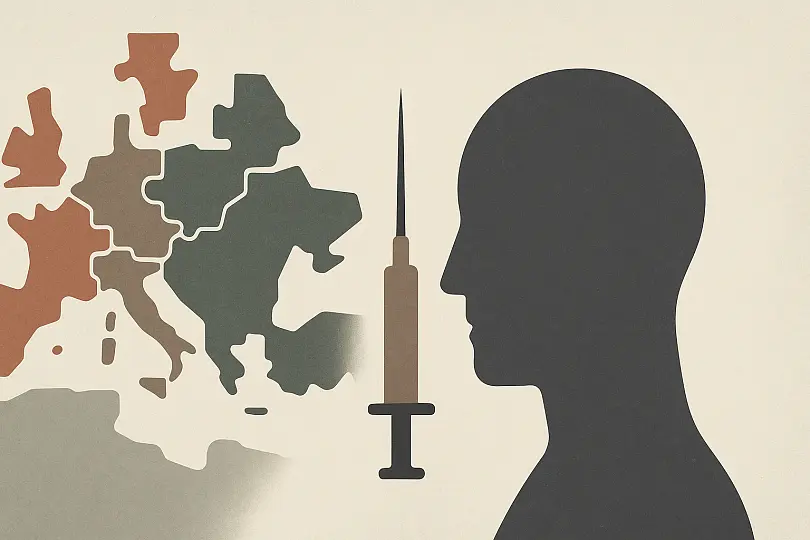
Shattered utopias in a fractured future—chaos told in many voices
What Readers Are Saying
Right for You If
If you’re the kind of reader who loves weird, wild speculative fiction and isn’t afraid to get a little lost (in the best way), Telluria is totally up your alley. Think of it as a playground for fans of dystopian or post-apocalyptic tales—especially if you get a kick out of books that mess with structure and play fast and loose with classic storytelling. If you’ve devoured stuff like Margaret Atwood’s MaddAddam trilogy, China Miéville’s more mind-bendy works, or even if you just appreciate a good old literary experiment, you’ll find a lot to chew on here.
- If you like satire, dark humor, and biting social commentary, oh man, Sorokin will give you plenty to sink your teeth into. He’s gleefully irreverent and doesn’t hold back, so if you appreciate clever plays on politics, tradition, and human nature (and don’t mind your fiction getting a little surreal), you’re in for a treat.
- Fans of non-linear storytelling or books with multiple perspectives—honestly, if you loved reading Cloud Atlas or stuff by David Mitchell, you’ll really appreciate how Telluria jumps around and stitches together different voices and viewpoints.
But, friendly warning—this probably isn’t the book to pick up if you prefer a straightforward plot, super cozy worldbuilding, or if you don’t vibe with books that go heavy on the avant-garde. If you’re not into experimental narratives or you find yourself frustrated by stories that raise questions faster than they answer them, you might want to skip this one.
Similarly, if you’re sensitive to explicit content or pretty dark themes, just know Sorokin doesn’t really pull his punches.
Bottom line: If you’re a literary adventurer, or you like your fiction smart, sharp, and a little strange, this one could be a wild ride you’ll remember. If you’re more about comfort, clarity, or traditional storytelling, you might find yourself fighting the urge to toss Telluria across the room.
What You're Getting Into
Get ready for a wild ride through a fractured future!
In Telluria, Vladimir Sorokin whisks you through a kaleidoscopic world where new nations battle over the mind-altering substance "tellurium," and everyday folks—knights, peasants, politicians, and dreamers—struggle to find meaning amidst chaos. Each chapter drops you into fresh perspectives bursting with dark humor, poignant despair, and biting satire, creating a unique mosaic of human longing, power, and reinvention.
If you’re into genre-bending, edgy fiction that asks sly questions about society and freedom, this book’s inventive format and offbeat energy might just sweep you off your feet!
Characters You'll Meet
-
Ivan: 🌟 A passionate carpenter whose quest for meaning leads him to seek the mystical Tellurium nail. Ivan’s restless drive for transcendence anchors one of the novel’s most philosophically charged narratives.
-
Pierre: ✈️ A French writer on a pilgrimage east, searching for spiritual renewal. His outsider’s perspective offers sharp, satirical insights into the fractured post-collapse world.
-
Marat: 🔥 A zealous Tatar partisan, fiercely devoted to his homeland and ideals. Marat’s militant stance and personal sacrifices highlight the tensions tearing the continent apart.
-
The Old Believer Monk: 🕯️ Keeper of ancient wisdom, his faith collides with the new order’s forces and the lure of Tellurium. The monk’s chapters examine tradition versus upheaval in an ever-shifting society.
-
The Talking Horse: 🐴 A narrator who delivers sardonic commentary on human follies. The horse’s chapters inject magical realism and irreverence, questioning both narrative and truth.
More Like This
Cracking open Telluria plunges you into a fragmented, kaleidoscopic world reminiscent of Cloud Atlas by David Mitchell—each chapter a distinct voice, a fresh lens, all swirling together into a broader chorus that bends reality. If you were mesmerized by how Cloud Atlas weaves disparate narratives and time periods into an ambitious constellation, Sorokin’s wild structure will feel instantly compelling, but his flavor is wilder, more biting, almost anarchic by comparison.
Meanwhile, fans of 1984 by George Orwell will notice familiar threads: a dystopian setting where political absurdity and dark satire reign. Yet, Sorokin isn’t content to offer mere warnings—he turbocharges the critique, pushing boundaries into provocative, darkly comedic territory that both satirizes and exaggerates the pitfalls of authoritarianism and cultural decay, almost as if Orwell had dreamed up a feverish, postmodern sequel.
On screen, the closest parallel might be the surreal, shifting realities of the Black Mirror series, especially in the way both works dissect societal anxieties with razor-sharp wit and a willingness to plunge into the bizarre. Telluria takes that same speculative storytelling energy and ramps it up, crafting episodes that jolt you from one strange scenario to the next, never letting you grow comfortable, always inviting a healthy sense of unease and wonder.
Critic's Corner
Is society doomed to repeat its darkest ages, or can pleasure and chaos carve new paths through the ruins of history? Telluria thrusts us into a future fractured by fanaticism, where the boundaries between ecstasy and oblivion blur with every hammer of tellurium into willing skulls. Sorokin’s wild mosaic dares us to imagine whether any attempt at order can withstand humanity’s hunger for transcendence.
Rarely does a novel bristle with such formal audacity—Telluria is a 50-chapter kaleidoscope, each unit flicking between registers with reckless verve. Sorokin’s writing is lush and hallucinatory, veering from medieval pastiche to cybernetic slang, all meticulously reanimated in Max Lawton’s translation. The language here isn’t just descriptive—it’s performative, molding the consciousness of each new narrator. One moment, readers wallow in dense, peasanty dialogue; the next, they’re swept up in clipped, futuristic lingo or the philosophical musings of a carrion-consuming poet. The result is exhilarating, sometimes disorienting, but always intentional. Sorokin refuses passive reading—the abrupt style shifts demand constant reorientation, rewarding those who lean into his linguistic gamesmanship. At times, this can stall momentum; certain voices delight less than others, and the density may risk fatigue. Yet, for lovers of linguistic pyrotechnics, it’s electric.
Step back, and Telluria reveals a fractured Europe as a microcosm of contemporary anxieties: tribalism, fractured identities, the lure of escapism, and the seductive violence of ideology. The tellurium spike—psychotropic miracle or instrument of death—becomes a symbol at once for mass media, addiction, and spiritual longing. Sorokin satirizes the search for meaning in a world shattered by holy war; each “kingdom” clings fiercely to its beliefs while succumbing to the universal appetite for bliss, however manufactured. But beneath the carnival horror and grotesquerie lies a recurring question: What remains of human dignity when all certainties evaporate? The chapter featuring the dog-headed poet is especially memorable, merging the comic with the abyssal in a fable for our nihilistic age. There’s little sentimentality here—Sorokin’s cruelty is surgical—but his bleak humor cracks the shell of cynicism just wide enough for the reader to glimpse possibility amid chaos.
Telluria feels like both a logical progression from Sorokin’s Day of the Oprichnik and a standout entry in the canon of speculative fiction—think the linguistic invention of Burgess, the savage satire of Swift, blended with paranoid Gibsonian world-building. It stands apart as a work that explodes both postmodern and dystopian conventions: less plot-driven than the classics, more experimental than most.
There’s no denying that Telluria’s fragmented structure and constant tonal pivots can frustrate or exhaust. The lack of sustained character arcs will alienate those craving emotional continuity. But for readers hungry for a brutal, dazzling panorama of post-everything Europe, this novel is unmissable—a sensory jolt warning us what may lie ahead if we shatter ourselves for the next quick fix. Bold, unruly, and unforgettable.
Community Thoughts
i still can’t get that scene with the iron boots out of my head, it crawled into my dreams and just stayed there. sorokin really knows how to mess with your peace of mind.
i can’t get the image of that pale “knight” out of my head, riding through the mud with nails hammered into his helmet. sorokin’s world is sickly vivid, like a fever dream i didn’t want but couldn’t wake up from.
Somehow, after reading, I couldn't get that scene with the nail-head priest out of my mind. It kept replaying as I tried to sleep. Sorokin’s world burrowed into my dreams and wouldn’t let go. Unsettling but brilliant.
I can’t stop thinking about the Terrible Master with his hammer, the way Sorokin sketches him is so disturbing it crawled into my dreams and built a fortress. This novel is not just a ride, it’s a full rewiring.
That scene where the carpenter touches tellurium for the first time sticks with me. Sorokin’s imagery was so sharp I could almost taste metal and fear. Haven’t stopped thinking about it since.
Leave Your Review
Local Take
Why It Matters
Sorokin’s Telluria strikes a real chord with Russian readers, echoing the nation’s turbulent post-Soviet landscape. The novel’s fragmented, dystopic vision mirrors Russia’s own chaotic search for identity after the USSR’s fall—a period still keenly felt today.
- Historical parallels pop up everywhere: Sorokin’s fractured states recall the disintegration of the Soviet Union and recurring debates on nationalism versus pan-Eurasian unity.
- The satirical bite often clashes with traditional Russian reverence for stability and authority, but it totally vibes with the country’s love for dark, absurd humor.
- That wild blend of highbrow and lowbrow literary play? So reminiscent of the Russian avant-garde and literary experimentation—think Bulgakov or even Gogol, who also wielded absurdity to poke at power.
Readers here feel those bizarre, shifting realities in their bones. The book’s anarchic, unfixed world isn’t just fiction—it’s an exaggerated mirror, one that’s as unsettling as it is familiar.
Food for Thought
Controversy Summary
- Telluria has sparked debates due to its provocative portrayal of nationalism, post-Soviet identity, and explicit depictions of violence and sexuality.
- Critics and readers have been divided over Sorokin's subversive style, with some accusing the author of nihilism or promoting chaos, while others praise his sharp satire of modern Russian and European societies.
Like what you see? Share it with other readers