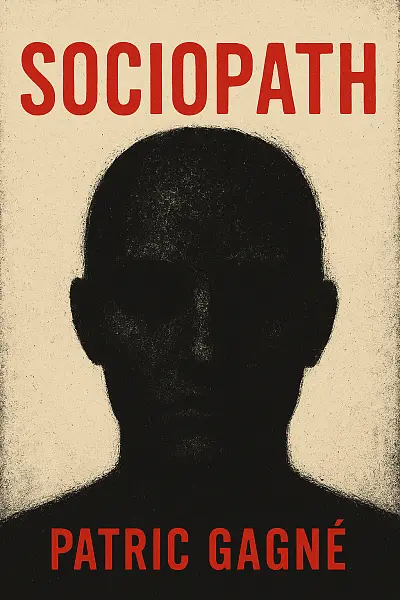
Sociopath
by: Patric Gagne
Patric Gagne grows up acutely aware she’s different, feeling next to nothing while everyone else seems driven by emotion. She spends her childhood faking feelings, trying to fit into a world that seems designed to expose her emptiness. When she finally gets the diagnosis—sociopath—everything clicks, but it also comes with the gut-punch that people like her are labeled “monsters.”
Craving connection and a sense of belonging, Patric sets out to rewrite the story, risking alienation by trying to prove her humanity to a society built on suspicion.
Told with sharp honesty and dark humor, the memoir dives into what it means to search for acceptance when the world expects you to fail. Will Patric find genuine love and self-worth, or is true connection always just out of reach?
"True empathy is not the absence of darkness, but the choice to understand it within ourselves."
Let's Break This Down
The Author's Voice
Atmosphere
- Intimate & Unsettling: The mood is raw, confessional, and at times chilling—you can practically feel the discomfort simmering beneath the narration.
- Claustrophobic Honesty: The story unfolds in close quarters with the author's psyche, cloaked in emotional tension and an uneasy sense of vulnerability.
- Darkly Reflective: The ambiance toggles between stark introspection and rare flashes of dark humor, keeping you suspended in a perpetual state of questioning.
Prose Style
- Blunt & Unvarnished: The writing is direct, almost abrupt, free from the cushion of flowery language—think crisp sentences and no-nonsense declarations.
- Conversational Yet Clinical: There's a striking duality—the tone alternates between casual, like chatting over coffee, and analytical, as though dissecting thoughts under a microscope.
- Transparent & Exposing: Gagne’s voice is stripped down, exposing uncomfortable truths without flinching or apologizing.
Pacing
- Purposefully Uneven: Chapters vary in tempo—some sections are brisk and confessional, racing through formative moments, while others grind to a meditative crawl, dwelling on interiority.
- Reflective Pauses: The momentum frequently slows for introspection, forcing readers to sit with difficult realizations before moving forward.
- Elastic Narrative Flow: Expect rhythm shifts: episodic bursts, abrupt scene changes, and lingering on pivotal memories—all balanced to keep emotional stakes high.
What to Expect
- Immediate Immersion: You’ll be pulled right into Gagne’s headspace, whether you’re ready or not.
- No-Nonsense Realism: If you appreciate memoirs that don’t sugarcoat experience, you’re in for a treat.
- Challenging Comfort Zones: The writing asks a lot of its readers, unafraid to be abrasive, but always honest—expect discomfort, but also wide-eyed fascination.
Key Moments
- Raw confessions straight from a sociopath’s mind—taboo thoughts laid bare on every page
- Flashbacks to a childhood of chilling detachment, peering behind the mask before it was ever put on
- Wickedly sharp, self-aware prose that dismantles stereotypes with unsettling ease
- Therapist sessions where empathy is feigned, not felt—a tug-of-war between self and diagnosis
- Glimpses of genuine connection that catch you off guard—are they real or just another performance?
- Brutally honest breakdowns of “normal” emotions—spoiler: they don’t always land
- Dark humor that brings relief amid the unease, making you reflect on your own moral compass
Plot Summary
Patric Gagne’s Sociopath is a candid memoir chronicling Gagne’s journey from her troubled childhood to adulthood, grappling with her sociopathic tendencies. The narrative begins with her early realization that she doesn’t feel emotions the same way as others, leading to confusion and a deep desire for understanding. As she navigates adolescence and young adulthood, she experiments with different coping mechanisms—sometimes hurtful—to mask her condition and fit in with societal expectations. The story reaches its emotional apex as Gagne seeks professional help, receives a clinical diagnosis of sociopathy, and begins to reconcile her behaviors with her desire for genuine connection. Ultimately, the memoir resolves with Gagne gaining deeper self-awareness and advocating for understanding and destigmatization of those diagnosed with sociopathy, though recognizing her journey is ongoing.
Character Analysis
Patric Gagne, the central figure, is fascinatingly complex—her arc pivots on self-discovery rather than external transformation. Initially, she’s isolated by her inability to feel empathy, navigating relationships with calculated detachment and masking true feelings to blend in. Over time, Gagne’s motivation shifts from mere survival to a craving for authenticity; she engages deeply with therapy and self-reflection, striving to act ethically despite her neurological wiring. The supporting figures—her mother, therapists, and romantic interests—serve mainly as mirrors to Gagne’s evolving self-perception, often highlighting her struggles with connection but also her striking intellect and resilience.
Major Themes
Sociopath dives deep into the nature of empathy, examining what it means to exist without it in a society that prizes emotional connection. The book also explores the theme of identity: how much of who we are is shaped by neurology versus conscious choice? Throughout, there’s a persistent tension between isolation and belonging, as Gagne constantly battles the stigma surrounding her diagnosis. One recurring message is that understanding and acceptance—of oneself and by others—can foster personal growth even in the face of deeply ingrained challenges, as shown when Gagne finds empowerment and meaning in telling her story.
Literary Techniques & Style
Gagne’s style is refreshingly direct, often disarming with its raw honesty and dark humor, which pulls readers quickly into her world. She employs a confessional, first-person narrative, giving the memoir an intimate, almost journalistic feel. Symbolism abounds, especially in her recurring descriptions of masks and performance, reflecting her efforts to “pass” as neurotypical. The writing features sharp, introspective asides—sometimes veering into metaphor, such as likening her lack of emotion to being colorblind in a world obsessed with rainbows—which serve to externalize her internal experiences for readers.
Historical/Cultural Context
Set in late-20th and early 21st-century America, the memoir is influenced by a culture both fascinated and terrified by sociopathy, shaped by pop psychology and sensational media portrayals. Gagne’s candid insights into mental health, particularly sociopathic and antisocial personality disorders, reflect evolving (and often conflicting) attitudes toward psychiatric diagnosis and treatment. The narrative’s frank approach exposes the stigma and misunderstanding faced by those with sociopathic traits, while also critiquing the lack of support and empathy in broader societal systems.
Critical Significance & Impact
Sociopath stands out as one of the few memoirs by a self-diagnosed sociopath, offering a nuanced, humanizing portrait that upends typical villainous stereotypes. Critics have hailed the memoir for its courage and insight, though some wish for even more depth around the impact of Gagne’s actions on others. Its biggest legacy is in sparking much-needed conversation about mental health, empathy, and moral responsibility—making it a relevant and provocative addition to modern autobiographical writing.
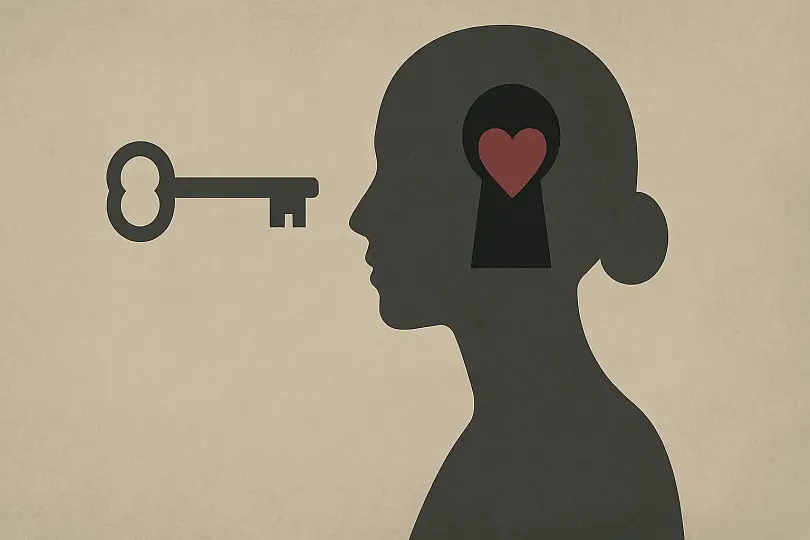
Inside a sociopath’s mind—true confessions that challenge empathy
What Readers Are Saying
Right for You If
If you’re drawn to memoirs that dig deep into the mind’s darker corners or you love psychology, you’ll probably want to move this one to the top of your list. Sociopath by Patric Gagne isn’t your average self-help book—it’s a real-life account from someone who lives with sociopathy, breaking a lot of myths wide open.
- If you’ve ever binged true crime docs, enjoyed books like “The Psychopath Test,” or just find the inner workings of the mind fascinating, you’ll be hooked. Gagne strips away the sensationalism and gets super honest about what it’s actually like, which is pretty refreshing.
- For those who appreciate memoirs with a raw, confessional style—think Mary Karr, Jeanette Walls, or Augusten Burroughs—you’ll vibe with the openness and emotional realness here, even when things get a little uncomfortable.
- If you’re a mental health professional or studying psych, you’ll get a ton out of the firsthand perspective, and it might challenge some of your preconceptions. Book clubs that love a bit of moral gray area to chew on could have some epic conversations about this one.
But hey, if you’re looking for a breezy, feel-good read, or if stories about trauma and tough self-reflection are just not your vibe, this might not be the best pick. The tone can get pretty intense and introspective, and there are some hard moments that might weigh on you if that’s not your thing.
Also, if you strongly prefer books with super clear heroes and villains or straightforward stories, you might find yourself wishing for more black-and-white answers than this memoir gives. It leans way more into messy gray areas and uncomfortable truths.
Bottom line: If you want a raw, unfiltered look inside a mind that most books just want to diagnose or judge, you’re in for something thought-provoking. But if you’re after escapism, light reads, or you’re just not in the headspace for heavy real-life stuff, give it a pass for now.
What You're Getting Into
Sociopath by Patric Gagne is a gutsy, true-to-life memoir that takes you inside the mind of someone who’s always been told she’s different. Through sharp self-reflection and candid stories, Gagne reckons with her diagnosis, challenging the stereotypes and asking what it really means to feel— or not feel—like everyone else. Expect a raw, insightful journey that’s equal parts psychological deep-dive and a quest for human connection, all told with surprising honesty and wit.
Characters You'll Meet
-
Patric Gagne: Candid memoirist and central figure, navigating life as a diagnosed sociopath. Her journey revolves around self-discovery, relationships, and challenging public perceptions about sociopathy.
-
Patric's Mother: Key influence and support, guiding Patric through her childhood and struggles, often seeking understanding and helping Patric mask her traits from others.
-
Patric's Therapist(s): Essential sounding boards and guides, these professionals help Patric explore her diagnosis, confront her emotions, and peel back layers of her identity.
-
Paul: Patric’s partner, whose relationship with her becomes a recurring exploration of intimacy, vulnerability, and the complexities of loving someone with sociopathy.
-
Patric's Grandmother: A formative figure from Patric's early life, shaping her sense of difference and instilling both familial love and sometimes confusing emotional cues.
More Like This
You know that raw, confessional style you found in Educated by Tara Westover? Sociopath channels a similar unflinching honesty, peeling back the curtain on a life most of us have never imagined—just swap rural Idaho for the shadowy realms of the psyche. The way Patric Gagne explores identity and outsider status echoes the immersive, inner journeys of Brain on Fire by Susannah Cahalan; both memoirs unravel the mysteries of the mind, but while Cahalan battles sudden madness, Gagne crafts an intimate portrait of living with a condition most only fear.
For TV buffs, there’s a pulse of Mindhunter running through these pages: the relentless curiosity about abnormal psychology, the exploration of what makes someone tick—even if that someone is the author herself. As you read, expect the same uneasy fascination, the urge to keep digging deeper, and that creeping sense that understanding the mind’s darker corners can be as thrilling as it is unsettling.
Critic's Corner
Is it truly monstrous not to feel as others do—or more monstrous to force a mask of normalcy over that difference? Sociopath by Patric Gagne throws this question into sharp relief, examining the complexity of life lived on the margin of human feeling and the cost of society's mythmaking. Gagne’s memoir dares to challenge our reflexive discomfort around her diagnosis, compelling us to ask: what do we lose when we come face-to-face with someone who is disturbingly self-aware about not fitting into emotional norms?
Gagne’s prose is at once urgent and matter-of-fact, refusing both melodrama and clinical detachment. She writes with startling clarity about her internal emptiness, using visceral imagery and sharp dialogue to capture sensations most cannot imagine. The narrative flows in a cool, controlled current, punctuated by moments of chaos that mirror her efforts to break through numbness. There’s an analytical edge to her voice even in childhood recollections—Gagne observes herself like a scientist, cataloging impulses and tics with a precision that both fascinates and unsettles.
Her restraint, however, never tips into dryness; rather, it amplifies the emotional stakes. The memoir is studded with introspective asides that probe the boundary between authenticity and performance, and a sly wit sometimes creeps in around the edges. Gagne’s structural choices—bringing in select vignettes, then circling back to their emotional significance—allows the reader to experience the disconnect right alongside her. Occasional repetition, though, can blunt the impact of certain passages, as if some revelations are being nudged a beat too long.
At its core, Sociopath is not just about the struggle to belong or find meaning—it’s a meditation on the hunger for genuine connection in a world built to exclude those who deviate from the emotional script. The book grapples openly with stigma, interrogating cultural narratives that paint sociopaths as monsters or hollow shells. Gagne reveals the damage of these tropes, but she also questions how much community and moral structure depend on shared feeling. Her bond with her partner highlights the nuanced reality of sociopathic experience—capable of loyalty, yearning, and yes, even love, albeit filtered through a different emotional palette.
The memoir gains urgency and cultural resonance in a time when mental health labels swing between overused buzzwords and excuses for vilification. Gagne’s honesty forces the reader to reassess the binary of good/evil that so often dominates pop culture depictions—offering instead a portrait of someone struggling, not to exploit or harm, but to simply be, and to be known.
Within the modern canon of psychological memoirs, Sociopath distinguishes itself by neither appealing for pity nor sensationalizing disorder. It sits alongside John Elder Robison’s Look Me in the Eye or Jeanette Winterson’s Why Be Happy When You Could Be Normal?, but carves new territory by directly confronting our collective discomfort with personality disorders.
Strengths: Fearless transparency, atmospheric writing, and a rare, humane perspective on sociopathy.
Weaknesses: Minor repetitiveness and narrative coolness can sometimes create emotional distance.
Final verdict: Sociopath matters because it pulls its subject from shadow into daylight—compelling, unsettling, and, in its honesty, unexpectedly empathetic.
Community Thoughts
okay, THAT CHAPTER where Gagne describes mimicking emotions at her own wedding? It has not left my mind. Chilled me, honestly. How do you fake joy that convincingly? I keep replaying it, questioning every smile I see.
that part where gagne describes the emptiness in her eyes while pretending to care about her friend’s heartbreak? i kept thinking about it hours later. felt like i was being watched by my own mask.
i had to reread the scene where patric describes watching emotions in others like it's a foreign language. it hit weirdly close to home—like i was eavesdropping on something secret. that moment, i realized how deep the disconnect ran.
I didn’t think a single sentence could echo in my head for days but “I learned to mimic empathy before I understood it” hit me sideways and just stuck. Gagne’s honesty is quietly devastating.
I CAN'T STOP THINKING about the scene where Gagne describes scanning a crowded room for weaknesses. That cold calculation hit me hard, made me question how much we really know about the minds around us.
Leave Your Review
Local Take
Why It Matters
Sociopath by Patric Gagne lands with a unique punch in the American context, exploring themes of empathy, identity, and alienation that echo through the country’s social fabric.
- Historical echoes: The book’s nuanced look at norm-challenging personalities taps into America’s fascination with outsiders—from counterculture movements of the '60s to the more recent focus on mental health and neurodiversity.
- Cultural values: Gagne’s self-diagnosis and reflection often clash with America’s emphasis on individual transformation and redemption—her refusal to promise a “cure” challenges the typical Hollywood arc of healing and self-discovery.
- Plot resonance: Moments where Gagne "passes" as normal feel especially poignant here; American life prizes conformity yet romanticizes rebellion, so her navigation of belonging feels doubly fraught.
- Literary tradition: The confessional, brutally honest tone harks back to writers like Joan Didion or Mary Karr, yet Gagne’s clinical detachment offers a fresh, even unsettling twist—inviting empathy even as she resists it.
Food for Thought
Controversy Summary:
Some readers and critics have pushed back on "Sociopath" for allegedly sensationalizing or softening the realities of sociopathy, sparking debates around the representation of mental health and the ethical boundaries of memoir. There's also been some heated discussion about whether the book blurs the line between seeking empathy for sociopaths and romanticizing harmful behavior.
This mix of critique and conversation has definitely made "Sociopath" a flashpoint for bigger cultural conversations about stigma, empathy, and the boundaries of personal narrative.
Like what you see? Share it with other readers