
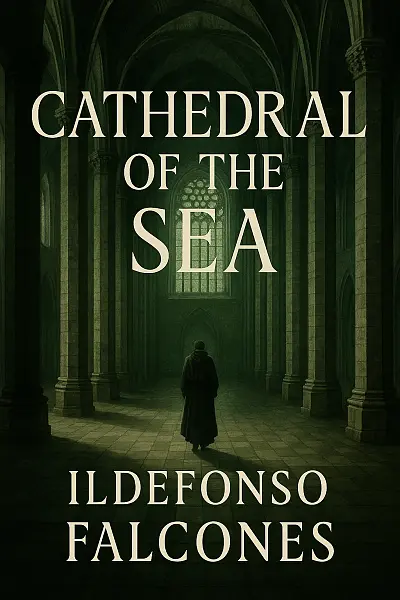
Cathedral of the Sea
Arnau grows up in medieval Barcelona’s bustling, class-divided world, craving freedom from serfdom and injustice. He escapes with his father to the vibrant Ribera district, where hope pulses as ordinary folk build the magnificent Santa Maria del Mar.
Just when life stabilizes, a cruel betrayal thrusts Arnau into new peril. Determined to rise above his station, he pours his heart into the city’s stone and sweat, building both the cathedral and his own fragile future.
But envy festers as he climbs, putting his very life—and the soul of his beloved city—on the line. Can personal loyalty survive in a world teetering between faith and ambition?
"“In the shadow of great stones, it is the resilience of humble souls that holds a city together.”"
Let's Break This Down
The Author's Voice
Atmosphere:
Falcones absolutely immerses you in medieval Barcelona—the book is thick with gritty street life, soaring cathedrals, and bustling markets. You’ll practically smell the stone dust and crowded alleys, with a sweeping sense of grandeur and hardship. The mood is equal parts hopeful and harsh, steeped in both the brutality and triumphs of the era. Expect lush, sensory details that make the city itself feel like a living character.
Prose Style:
Straightforward but not simplistic, the prose is evocative without going overboard. Falcones has a knack for painting broad, cinematic scenes with just a handful of words—he’s not flowery, but his descriptions linger in your mind. Dialogue feels direct and sometimes a touch stiff, but overall it keeps things grounded and authentic to the period. There’s a certain earnestness to the writing that gives weight to the story’s big moral questions.
Pacing:
It’s a long, sweeping saga, so the pacing is unhurried. The narrative unfolds slowly, drawing you through decades of history. Sometimes the plot pauses to delve into historical context or character backstory, which really fleshes out the world but can sometimes feel like it’s dragging a bit—especially for readers who crave constant action. When the story hits its emotional and dramatic peaks, however, things move swiftly and you’ll be flipping pages eagerly.
Characterization:
Characters are painted in broad, sympathetic strokes. The protagonist, Arnau, feels both accessible and larger-than-life, facing injustice, ambition, and love head-on. Supporting characters often represent different facets of medieval society, from noblemen to artisans to the oppressed. Some figures risk slipping into stereotypes, but Falcones tends to inject enough personal struggle to keep them from feeling one-dimensional.
Themes and Tone:
Expect big themes—social injustice, faith, ambition, love versus obligation—woven throughout the tapestry of the plot. The tone mixes gritty realism with moments of uplifting hope and resilience, always keeping an eye on the everyday struggles and triumphs of ordinary people against the backdrop of history.
Overall Literary Rhythm:
This is the kind of novel that rewards patient readers who love to be transported. The writing rises and falls with the ebb of the city’s fortunes—a slow build, punctuated by bursts of betrayal, triumph, and suffering. If your vibe is sprawling historical drama with a solid emotional core, Cathedral of the Sea delivers an immersive reading experience with plenty to sink into.
Key Moments
- Stone by stone: Arnau’s rise from serfdom to nobleman under the soaring columns of Santa María del Mar
- Relentless Inquisition justice—searing interrogations that threaten to tear families apart
- Turbulent friendships—Arnau and Joanet’s bond tested by love, loss, and loyalty
- A mother’s sacrifice echoes through Barcelona’s plague-ridden streets
- Betrayal inside cathedral walls—trusted allies turn into sworn enemies in a heartbeat
- Falcones’ immersive, unflinching detail—you can almost smell medieval Barcelona with every page
- Righteous fury meets heartfelt faith—spine-tingling scenes of devotion, rebellion, and hope
Plot Summary
Cathedral of the Sea sweeps us into 14th-century Barcelona, where young Arnau Estanyol and his father flee brutal serfdom, seeking freedom in the medieval city. As Barcelona transforms, so does Arnau—from a dockworker building the majestic Santa Maria del Mar church, to a prosperous money changer, eventually gaining knighthood. Along the way, he faces devastating betrayals by his adoptive brother Joan and is persecuted by the Inquisition, risking everything for justice and love. The climax explodes as Arnau is falsely accused of heresy but, through loyalty and faith, is ultimately exonerated, regaining his status and bringing some measure of peace to his fractured life. The novel closes with Arnau's quiet reflection on sacrifice and resilience as cathedral bells echo the endurance of the human spirit.
Character Analysis
Arnau Estanyol absolutely stands out—a figure shaped by suffering who grows from a traumatized, humble runaway into a benevolent leader, embodying both ambition and compassion. His father, Bernat, ignites the story's quest for freedom and justice, while Arnau's adoptive brother, Joan, falls to envy and ambition, betraying the family bond for personal gain. Mar, Arnau's quietly loyal second wife, is a symbol of unconditional love, contrasting with the cunning and tragic Francesca, Arnau’s first wife, whose downfall highlights the harshness of society. The secondary cast—ranging from the persecuted Jews and brutal nobles to everyday townsfolk—deepens the world's realism and Arnau’s empathy as he endures, evolves, and ultimately forgives.
Major Themes
At its heart, Cathedral of the Sea is all about the struggle for personal freedom in a society shackled by class, poverty, and religious orthodoxy—visible in Arnau’s desperate flight from serfdom and his later battles against a corrupt church. Justice and injustice surface everywhere, from Bernat’s fight for his son’s rights to the harrowing scenes of the Inquisition, posing sharp questions about morality and power. Faith and resilience thread through, embodied by the cathedral itself, built on the sweat of ordinary people; it’s a striking metaphor for hope and endurance amidst overwhelming hardship. And let’s not forget loyalty and betrayal—family, friendship, and love are tested, with every loss and triumph shaping Arnau and the destiny of those around him.
Literary Techniques & Style
Falcones crafts his world with lush, detailed description—maybe a bit dense at times, but totally immersive, especially in those scenes of Barcelona’s bustling streets and the magnificent cathedral under construction. The novel’s epic, episodic structure means we leap vividly between milestones in Arnau’s life, keeping the pace energetic despite some occasional sluggishness in the middle chapters. Symbolism is huge: Santa Maria del Mar doesn’t just anchor the plot—it’s hope, sanctuary, and the soul of the city, reflecting not only Arnau’s ascent but also the dreams of the common people. Expect plenty of historical exposition, sprinkled with metaphors and robust dialogue, which make both the hardships and small joys of medieval life feel painfully, beautifully real.
Historical/Cultural Context
Set in 14th-century Barcelona, the novel plunges into the heart of a city bursting with both opportunity and oppression, against the backdrop of the Black Death, rising merchant classes, and intense religious conflict. Social hierarchies rule everything: peasants toil, nobles scheme, the Church wields terrifying power—and Jews face relentless discrimination, all influencing character choices and the plot’s twists. Falcones doesn’t shy away from showing the period’s grit and darkness, lending urgency and authenticity to Arnau’s desperate pursuit of dignity and freedom.
Critical Significance & Impact
Cathedral of the Sea made a splash for its wild blend of historical accuracy and irresistible drama, drawing comparisons to The Pillars of the Earth and earning a devoted following internationally. Its vivid depiction of medieval life, combined with big universal questions about justice, faith, and resilience, keeps it popular with both students and general readers. Sure, it sometimes lingers too long in detail, but its emotional punch and rich storytelling have made it a staple of modern Spanish historical fiction, and a favorite for lively discussion or thoughtful analysis.
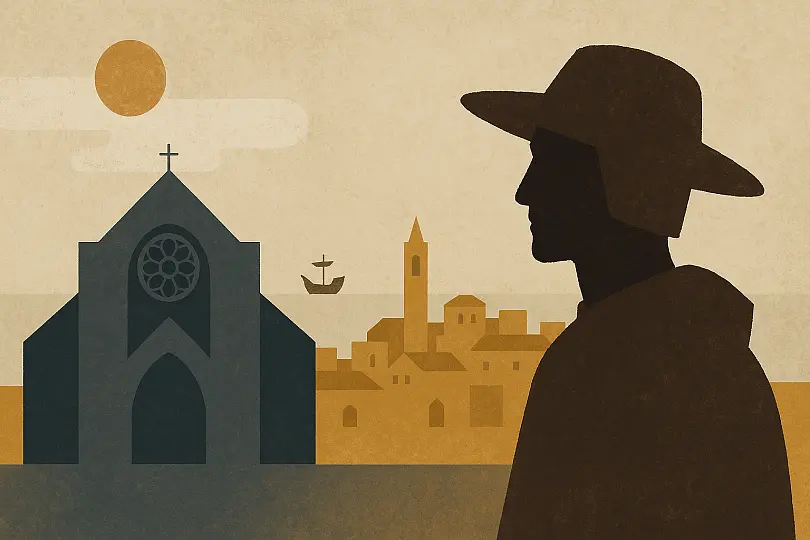
Faith, struggle, and destiny entwine beneath Barcelona’s rising cathedral.
What Readers Are Saying
Right for You If
If you live for sweeping historical sagas—the kind that throw you right into the heart of medieval cities, with all the drama, heartbreak, and ambition that come with them—then Cathedral of the Sea is totally up your alley. Seriously, if shows like The Pillars of the Earth had you hooked, or you love authors like Ken Follett, you’re going to be all over this one.
You’ll especially dig this if you…
- Can’t get enough of epic tales set in the past, with rich settings and a palpable sense of place.
- Enjoy characters who start with nothing and fight their way up through grit, luck, and a little help along the way.
- Love political intrigue mixed with personal stories, especially when it’s all tangled up with issues of power, religion, and class.
- Appreciate a slower burn—this book takes its time building the world and the lives within it, so you can actually sink into 14th-century Barcelona.
BUT! Fair warning…
- If you prefer quick, action-packed reads, or you get impatient with detailed world-building and long family sagas, this might honestly feel like a slog.
- Fans of light, breezy romance or straightforward adventure might find the heavier moments and dark twists in this book a little much.
- If you really need your fiction to be concise or you shy away from books with serious themes like injustice, cruelty, or religious persecution, you might want to skip it—this story doesn’t shy away from the ugly realities of the period.
In a nutshell: Pick this up if you love getting lost in gritty, beautifully-rendered historical epics with big casts and even bigger stakes. But if patience with slow-burn storytelling or dark, complex subject matter isn’t your thing, you might want to reach for something lighter.
What You're Getting Into
Set in the thriving, turbulent streets of 14th-century Barcelona, Cathedral of the Sea follows the journey of Arnau, a humble stonemason’s son swept up in the city’s social upheaval and the construction of the magnificent Santa Maria del Mar church.
As Arnau navigates loyalty, ambition, and injustice, his fate becomes entwined with those struggling for survival amid war, class struggle, and the shadow of the Inquisition.
With epic stakes, rich historical detail, and unforgettable characters, this sweeping tale immerses you in the hopes and heartbreaks of medieval Spain, perfect for fans who crave both gripping drama and atmospheric adventure.
Characters You'll Meet
-
Arnau Estanyol: The heart and soul of the story, Arnau rises from peasant roots to become a respected citizen in Barcelona. His unwavering sense of justice shapes his journey against the backdrop of medieval Spain's social upheavals.
-
Joan Estanyol: Arnau’s loyal half-brother, who turns to the Church for purpose. Joan’s arc explores faith and ambition, often serving as a counterpoint to Arnau’s secular struggles.
-
Aledis: A passionate and often conflicted figure, Aledis becomes a pivotal love interest whose choices deeply impact Arnau's fate. Her actions add emotional complexity and tension to the plot.
-
Francesca Esteve: Arnau's resilient mother, whose sacrifices and endurance set the emotional tone for the novel’s early chapters. Her influence remains felt throughout Arnau’s life.
-
Grau Puig: Once Arnau’s friend, Grau’s eventual resentment and betrayal highlight issues of class tension and personal loyalty, driving several key conflicts within the narrative.
More Like This
If you found yourself swept away by the epic historical drama and layered storytelling of Ken Follett’s "The Pillars of the Earth," you’ll recognize that same immersive plunge into medieval life within Cathedral of the Sea. Both novels trace the rise of a cathedral alongside the struggle of everyday people, mingling personal destinies with the larger tides of history. Yet, where Follett delves into English stone and strife, Falcones lets you breathe in the dust of 14th-century Barcelona, introducing a sultry Mediterranean twist to the saga.
Fans of "A Game of Thrones" by George R. R. Martin might catch a familiar blend of political intrigue, shifting alliances, and vividly flawed characters in Falcones’ pages. While Cathedral of the Sea trades dragons for the gritty reality of city life under feudal rule, both worlds are relentless, where loyalty comes at a price and power is always at play. The uncertain fates and sharp turns mirror the kind of addictive storytelling that keeps pages turning long past bedtime.
Visually, the series crackles with the same rich atmosphere and bustling street scenes that made the TV adaptation of "Marco Polo" such a feast for the senses. There’s a similar attention to detail—opulent palaces, shadowy alleys, and a vibrant, dangerous city come alive onscreen just as Falcones conjures Barcelona on the page. Both works invite you to lose yourself in a world where ambition and adversity walk side by side, urging you deeper with every chapter or scene.
Critic's Corner
What does it mean to build something lasting as the world shifts beneath your feet? Cathedral of the Sea by Ildefonso Falcones invites us to contemplate the resilience of both brick and spirit, as Barcelona’s burgeoning prosperity intertwines with one man’s hazardous quest for freedom and dignity. Through the battered, bustling streets and soaring nave of Santa Maria del Mar, Falcones prods enduring questions of justice, agency, and the price of ambition—a story that still resonates in our own restless times.
Falcones crafts his 14th-century Barcelona with an intricacy and drive that’s genuinely immersive. The prose is straightforward rather than lyrical, trading poetic excess for brisk clarity; descriptions lean practical, conjuring muddy alleys, billowing sails, and the clangor of stone on stone. At his best, Falcones pulls the reader into Arnau’s world through tangible sensory detail and careful evocation of the city’s rhythms—processions, punishments, festivals. He excels at pacing, moving the story energetically through guild halls, battlefields, and palaces, offering a panoramic view without letting the scope overwhelm the narrative. The dialogue can feel occasionally stilted, perhaps due to translation or Falcones’s preference for exposition, but moments of intimacy and conflict ring emotionally true. Structurally, flashbacks and parallel stories (especially Joan’s ecclesiastical journey) generally enrich the tapestry, though occasionally the sheer bulk of incident strains plausibility. Still, there’s a genuine energy in the way Falcones juggles personal and civic stakes; the cathedral’s construction is both literal and metaphorical backbone, sustaining the novel’s momentum.
At heart, Cathedral of the Sea is a meditation on liberation: not only escaping serfdom, but carving out moral space in a stratified, unforgiving world. Falcones explores themes of class mobility, communal solidarity versus individual ambition, and the corrosive effects of envy and fanaticism. The Inquisition looms not just as historical threat, but as constant test of conscience—a specter of power that tempts even those closest to Arnau. Through the drama of fealty and betrayal, Falcones probes the ambiguous rewards of hard-won status: How far can generosity or grit carry someone? What must be sacrificed on the road to belonging? These dilemmas echo today, as questions of migration, class, and civic duty remain unsettled.
Set against the grand tradition of European historical epics—Ken Follett’s Pillars of the Earth is an obvious reference point—Falcones trades some of Follett’s lush characterization for meticulous attention to social structures and legal wrangling. Fans of Umberto Eco’s narrative density or Hilary Mantel’s psychological nuance may find Falcones less subtle, yet his populist, almost Dickensian sense of justice and outrage drives the story forward. Within his own oeuvre, this debut stakes out a clear manifesto: history is built not only on the backs of kings, but on the hope and labor of the marginalized.
Falcones’s ambition sometimes outpaces his literary finesse—secondary characters can be thin, and the relentless succession of tragedies risks melodrama. Still, the novel’s earnest conviction and stirring historical canvas make it memorable. For those craving a sweeping tale of grit and grace, Cathedral of the Sea stands tall, a monument to both human frailty and fortitude.
Community Thoughts
arnau’s journey absolutely wrecked my sleep schedule, i’d tell myself just one more chapter and suddenly it’s 3am and i’m plotting ways to visit barcelona. did not expect medieval drama to be this addictive.
Don’t even get me started on Arnau. That guy crawled into my head and just stayed there, popping up in my dreams like some medieval ghost. His stubborn hope made me want to hug him and yell at him all at once.
WHY did Arnau haunt my dreams for days? I kept thinking about his choices, his loyalty, and the price paid for justice. This book worked its way into my head and would not let me sleep. Relentless and unforgettable.
I swear Arnau’s determination just WOULD NOT LET ME PUT THIS DOWN. Slept at 3 AM and still wanted more. That climb from stonemason to hero? It’s wild. My dreams were full of Gothic arches and betrayals.
I was NOT prepared for Sahat. That man’s loyalty and wit lingered in my head for days. Every time he spoke, I wondered what I’d do in his shoes. I still think about his choices and what I would have risked.
Leave Your Review
Local Take
Why It Matters
Cathedral of the Sea by Ildefonso Falcones hits a special nerve in Spanish culture, especially for anyone familiar with Barcelona’s history.
- The story’s focus on social mobility, class struggle, and religious power mirrors Spain’s real medieval tensions, especially in Catalonia, where a sense of local identity and rebellion against centralized authority runs deep.
- Arnau’s journey resonates with the Spanish admiration for perseverance ("arrancar adelante" spirit), but the brutal depictions of injustice and the Inquisition echo historical wounds that still color Spanish views on authority and faith.
- Cultural values like family loyalty, honor, and the weight of destiny feel totally on point, while the harsh critique of feudal oppression resonates with the memory of Franco’s dictatorship and regional struggles for autonomy.
- The novel’s sweeping epic style recalls the beloved Spanish tradition of historical sagas—think Pérez-Reverte—but Falcones ups the ante with raw, emotional punch and unapologetic realism.
In Spain, the building of Santa María del Mar feels almost sacred—a testament to community resilience, making the novel's impact both historic and deeply personal.
Food for Thought
Notable Achievement:
Cathedral of the Sea has become a massive international bestseller, captivating millions of readers worldwide and earning comparisons to Ken Follett’s historical epics. Its vivid depiction of medieval Barcelona has made a significant cultural impact, even inspiring a popular Spanish TV adaptation—pretty cool for fans of immersive historical fiction!
Like what you see? Share it with other readers