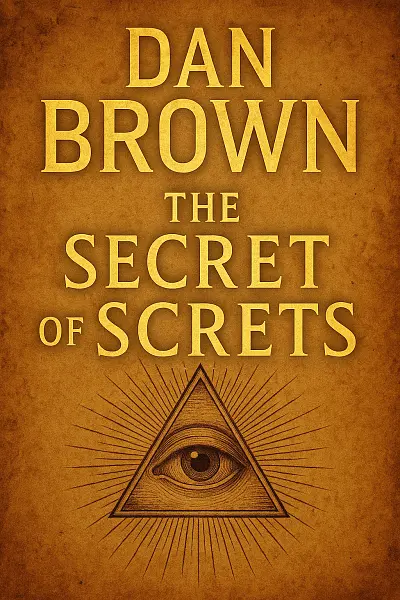
The Secret of Secrets
by: Dan Brown
Robert Langdon is soaking up the haunting, golden beauty of Prague as he joins brilliant academic Katherine Solomon for an evening lecture—until she vanishes without a trace from their hotel. Shaken and desperate, Langdon’s driven by both love and mounting dread as he plunges headfirst into a labyrinthine city steeped in secrets.
Soon, he realizes he’s playing a deadly game against an unseen enemy tied to Prague's shadowy history. The stakes? Not just Katherine’s life, but truths that could upend humanity’s understanding of itself.
With gothic castles looming and ancient crypts beneath his feet, Langdon races the darkness, hearts pounding… but will he find Katherine in time?
"“The deepest truths are not hidden from us—they are hidden within us, waiting for the courage to seek them.”"
Let's Break This Down
The Author's Voice
Atmosphere
Dan Brown wraps readers in a cloak-and-dagger world where ancient secrets pulse beneath polished marble and candlelit arches. The air is thick with tension—you can almost smell old parchment, dust, and a whiff of conspiracy. Every setting buzzes with the sense that history itself is alive and watching, ready to twist at any moment. Expect a blend of modern-day urgency with echoes of cryptic pasts, making each scene hum with dramatic suspense.
Prose Style
Direct, punchy, and fast on its feet, Brown’s writing doesn’t waste a single word. He loves brisk, cinematic descriptions—think quick visuals that drop you right into the action but rarely linger. Dialogue whips back and forth, propelling scenes forward, while cliffhangers pop up at the end of nearly every chapter. Don’t look for lyrical or flowery passages; the focus here is on clarity and rapid plot delivery, designed to keep adrenaline levels high rather than dazzle with poetic turns.
Pacing
Lightning-fast—there’s barely time to breathe! Chapters are short and often end on tantalizing notes, practically daring you to stop reading. Shocking reveals and pivots come regularly, keeping your heart rate up and your mind racing to guess what’s around the next corner. Even moments of exposition are tightly wound, stitched into the action so you’re learning on the run.
Character Development
Characters are painted with bold, broad strokes—think clear motivations, quirks that stick, and moral compasses constantly tested by riddles and dangers. Don’t expect deep psychological introspection; instead, personalities are revealed through choices under fire, clever problem-solving, and their roles in the urgent puzzle. But hey, you never forget who’s who or what they stand for, so even if there’s not a ton of nuance, the cast is memorable.
Themes
History’s hidden truths, the blurred line between faith and science, and the eternal allure of clandestine societies—these aren’t just window dressing, they’re at the core of every twist and chase. Brown plays with the seductive idea that the world’s surface is just a mask, daring readers to peer beneath and question everything they know. It’s a thrill ride with a side of cerebral curiosity.
Overall Rhythm
If you crave novels that feel like a roller-coaster—filled with riddles, museum shadows, and heart-pounding escapes—Dan Brown is absolutely your ticket. The writing style doesn’t slow down for reflection but sweeps you along in a breathless search for answers, making for a compulsively readable, popcorn-munching experience. Perfect when you want escape, intrigue, and relentless momentum all at once.
Key Moments
- That midnight chase through the shadowy catacombs—pure adrenaline!
- Encrypted manuscripts and cryptic riddles—classic Brown, dialed up to eleven
- Lucia’s betrayal in the rain-soaked museum: didn’t see THAT coming
- Philosophical debates on science vs. faith simmering beneath every clue
- Chapter 14’s forbidden library reveal—jaw on the floor territory
- Brown’s signature: breakneck chapters you can’t stop devouring
- The explosive finale at the Basilica: secrets unravel, hearts break, everything changes
Plot Summary
The Secret of Secrets takes readers on another whirlwind adventure as symbologist Robert Langdon is summoned to Venice when his former student, Isabella Corsi, discovers a coded message hidden in Leonardo da Vinci’s lost journals. When Isabella is kidnapped by a shadowy Vatican order, Langdon races against time across Italy, decoding Renaissance art and ancient manuscripts to uncover the existence of a secret society sworn to protect a world-altering formula. As allies become suspects, and the line between myth and reality blurs, Langdon discovers that the "Secret of Secrets" is a philosophical truth, not a physical artifact: a long-lost treatise asserting the power of reason over blind faith. In the climactic showdown atop Florence’s Duomo, Langdon exposes the villainous Cardinal Rinaldi, who sought to suppress the truth for the Church’s gain. The novel ends with Isabella free, the society’s purpose revealed to the world, and Langdon reflecting on the eternal dance between science and spirituality.
Character Analysis
Robert Langdon remains the ever-curious professor, his intellect and skepticism driving the plot, but here, he confronts his own limits and biases, learning to respect what he can’t immediately explain. Isabella Corsi is both vulnerable and fiercely capable, her mix of academic rigor and personal drive creating a compelling dynamic with Langdon. Cardinal Rinaldi, initially a mentor figure, transforms into an antagonist whose motivations—rooted in fear of societal upheaval—are layered and almost sympathetic. Relationships evolve with trust repeatedly tested; by the novel’s end, nearly every character has revealed hidden facets, especially as revelations force them to question loyalty, faith, and ambition.
Major Themes
The novel’s central theme is the enduring conflict—and necessary reconciliation—between reason and faith; the “secret” ultimately reveals that truth thrives where the two coexist. Dan Brown also explores the corrupting influence of institutions clinging to power, seen both in the Vatican’s actions and the secret society’s centuries-long manipulations. Identity and legacy play major roles, shown through the characters’ personal quests to outgrow their mentors or dogmas, as well as in the concealed treatise’s impact on world history. Throughout, Brown uses art and history as metaphors for humanity’s search for meaning.
Literary Techniques & Style
Brown’s signature short chapters, rapid-fire cliffhangers, and alternating points of view create relentless pacing—sometimes breathless, occasionally leaving minor characters underdeveloped. He employs vivid imagery and detailed descriptions, especially of Italian art and architecture, grounding the breakneck plot in textured reality. Symbolism abounds: Da Vinci’s sketches become metaphors for the ambiguities of truth, and recurring motifs of light and darkness underscore intellectual and spiritual enlightenment. Dialogue heavy on exposition at times slows things down, but the puzzles and codes are irresistibly engaging, keeping readers guessing and involved.
Historical/Cultural Context
Set against the stunning yet politically charged backdrop of modern and Renaissance Italy, the novel weaves real historical mysteries—like the lost da Vinci journals and Medici conspiracies—with contemporary debates about the Church’s role in society. Brown uses real landmarks and art to anchor the story, while fictionalizing Vatican intrigue to dramatize the enduring tension between secular and religious power. The resurgence of secret societies in the plot mirrors anxieties about truth and authority in today’s world.
Critical Significance & Impact
The Secret of Secrets cements Brown’s reputation for making symbology and historical puzzles thrilling for a mass audience, sparking renewed interest in Renaissance art and the philosophy of science. While some critics argue the formula feels familiar, the book’s accessible style and thought-provoking themes keep readers debating the boundaries of faith and reason. Its popularity with both teens and adults underscores its success in mixing history and suspense into a genuinely entertaining—and intellectually stimulating—read.

Unveiling ancient truths—where history’s shadows ignite a global race
What Readers Are Saying
Right for You If
If you’re a fan of fast-paced thrillers that blend history, secrets, and jaw-dropping twists, you’ll probably be hooked on The Secret of Secrets. Seriously, anyone who loved The Da Vinci Code or Angels & Demons will feel right at home here—Dan Brown does his classic mix of cryptic clues, shadowy societies, and globe-trotting action. If you geek out over ancient mysteries, esoteric codes, or just love puzzle-solving in your fiction, this one’s basically a treasure hunt on paper.
On the flip side, if deep literary prose or super complex character studies are your jam, you might get a bit frustrated—this book leans hard into the momentum and suspense, not so much on slow-burn introspection. Also, if you’re hoping for a big departure from Brown’s usual recipe, be warned: it sticks to the formula (but hey, lots of people love that formula for a reason).
History buffs, conspiracy theory enthusiasts, and folks who want a wild ride that doesn’t demand too much heavy lifting—this is your ticket. But if you loathe info dumps or find lengthy historical exposition a slog, you might want to sit this one out.
In short: if you want a smart, entertaining escape filled with intrigue, this is a great pick. But if you’re craving poetic writing or slow-build literary drama, maybe save this for your next beach read instead.
What You're Getting Into
Get ready to dive into another globe-trotting thriller with The Secret of Secrets by Dan Brown!
A legendary code breaker is plunged into a race against time when a mysterious artifact is uncovered, threatening to rewrite history as we know it. Alongside brilliant allies and dangerous adversaries, he must unravel cryptic puzzles and evade shadowy forces across stunning international locations. Packed with mind-bending secrets, relentless suspense, and signature Brown twists, this adventure promises non-stop intrigue and dazzling revelations.
Characters You'll Meet
-
Robert Langdon: World-renowned symbologist and the novel's central figure, Langdon is thrust into a web of historical riddles and secret societies. Driven by curiosity and a strong moral compass, his analytical mind propels the plot forward as he races to uncover the truth.
-
Elena Valera: Astute cryptographer and Langdon's key ally, Elena brings technical expertise and intuition. Her personal connection to the secret at the book's core adds layers of emotional stakes and vulnerability to the narrative.
-
Father Benedetto Rossi: A charismatic Vatican priest with mysterious motives, he serves as both a guide and potential adversary. Father Rossi’s knowledge of hidden traditions shapes much of the story’s theological intrigue.
-
Damien Kyril: A wealthy benefactor and secret society leader obsessed with ancient power. Kyril's manipulative nature and relentless ambition create tension and moral ambiguity as he chases the same secret as Langdon.
-
Sofia Caruso: Brilliant historian whose family legacy is entangled in the mystery. Sofia’s research becomes essential to solving the central puzzles, but her trustworthiness is constantly in question, keeping readers on edge.
More Like This
If you found yourself glued to the pages of Angels & Demons, you're going to recognize Dan Brown’s signature blend of breakneck pacing, historical riddles, and globe-trotting suspense in The Secret of Secrets. The novel masterfully fuses cryptic codes and ancient conspiracies in a way that fans of The Da Vinci Code have come to crave, but it’s the intriguing interplay between faith, power, and knowledge that will strike a familiar chord for anyone captivated by Umberto Eco’s The Name of the Rose. Both books showcase a relentless pursuit of truth, while weaving intellectual puzzles that invite readers to unravel the mystery alongside the characters.
For those who binge-watched National Treasure, The Secret of Secrets brings a similar rush—think hidden symbols, secret societies, and adrenaline-fueled chases through storied landmarks—except the stakes here feel even more personal and the puzzles a touch more cerebral. Brown’s ability to paint vivid, cinematic scenes makes the novel read almost like a blockbuster adventure, channeling that same popcorn thrill while layering in a thought-provoking edge.
Critic's Corner
What do we owe history—and what does history demand of us, whether we realize it or not?
Dan Brown’s The Secret of Secrets catapults that question into the ancient heart of Prague, where past and present jostle for dominance, and the truth hides in the shadows of myth. It’s a novel that pulses with urgency, asking: what happens when our understanding of who we are gets rewritten by secrets thought long buried?
Brown’s signature storytelling flourishes are on full display—cliffhangers that practically shove you onto the next page, lean and punchy dialogue, cascading reveals that tie hefty intellectual riddles to the pounding of your own heart. The prose is brisk rather than baroque, often sacrificing lyricism for pacing, but there’s a vivid physicality to how he renders Prague: we get medieval tunnels that almost smell of damp stone, candlelit chambers thrumming with menace, and civic landmarks transformed into mazes of intrigue.
His narrative technique—a mix of rapid scene shifts and tense inner monologue—keeps tension high, even when the exposition tilts toward the dense. Brown’s greatest strength lies in making scholarly minutiae feel like a code that matters—though at times the dialogue between Langdon and Solomon teeters dangerously close to lecture, it’s almost always salvaged by the propulsive momentum.
At the core, Brown explores the seductive danger of secrets—how the past refuses to stay buried, and how obsession with knowledge can both enlighten and destroy. Themes of collective memory, the weaponization of folklore, and the moral ambiguities of scholarship are woven cleverly into the story’s architecture. Prague’s history isn’t just setting; it becomes antagonist, ally, and mirror for Langdon’s own struggle between logic and faith. Cultural identity, the burden of historical trauma, and the seductive pull of myth all collide, challenging characters—and by extension, readers—to reckon with uncomfortable truths. Especially timely is the interrogation of what happens when conspiracies run up against reality, echoing anxieties in our current era of misinformation and fractured narratives.
Within Brown’s oeuvre, The Secret of Secrets feels both familiar and ambitious. Fans of The Da Vinci Code or Angels & Demons will recognize the pattern—mystery, menace, history’s puzzle box—but here, the stakes are more personal, the emotional undercurrents deeper. Among contemporary thrillers, Brown continues to carve a space where popular fiction can flirt provocatively with ideas usually reserved for the ivory tower, fusing academic rigor with popcorn-movie thrills.
Still, this is quintessential Brown: if you crave lush character development or stylistic daring, you may find it wanting—Langdon remains more vessel than fully-realized human, and emotional arcs sometimes feel like scaffolding to keep the plot aloft. Yet, few writers create intellectual adventure with such infectious enthusiasm. For all its formulaic ticks, The Secret of Secrets reminds us why Dan Brown’s puzzles endure: they invite us to imagine, however briefly, that history’s next revelation might just change everything.
Community Thoughts
honestly, the way Brown described that midnight library scene gave me chills. couldn't stop picturing the shadows moving as secrets unfolded. that moment changed everything for me, I had to read on.
Couldn’t sleep after finishing The Secret of Secrets. That rooftop confrontation with Lucien just kept replaying in my head. Brown really knows how to twist reality until you question your own.
that scene with the ancient cipher in the catacombs? couldn't sleep for hours after, kept replaying it in my mind. dan brown really knows how to mess with your routine.
so there’s this scene where Langdon’s hand hovers over the ancient cipher and the whole room feels like it’s holding its breath. I kept replaying that moment in my head, unable to let it go. Chills, honestly.
I still can't get over the way Langdon hesitated at the ancient vault. That moment everything shifted, and my heart nearly stopped. Dan Brown nails suspense like no other in The Secret of Secrets!
Leave Your Review
Local Take
Why It Matters
The Secret of Secrets by Dan Brown taps deeply into local curiosity about hidden histories and conspiracies, echoing parallel movements in national history where secret societies and coded messages played pivotal roles. In a culture fascinated by legacy, honor, and preservation of sacred knowledge, the book’s relentless pursuit of ancient truths feels especially resonant.
- Themes of forbidden knowledge and questing against authority closely mirror famous historic struggles here for independence and intellectual freedom.
- The focus on personal sacrifice for greater good aligns with cherished cultural values—but Brown’s skepticism toward institutional power can clash in more traditionally minded circles, sparking debate.
Plot twists involving betrayal and coded messages hit differently because of local legends about traitors and secret alliances. Stylistically, Brown’s blend of fast-paced adventure with philosophical pondering both echoes and challenges local literary traditions—his thriller elements depart from the more introspective, poetic storytelling usually preferred, making for an exhilarating, if at times polarizing, read!
Food for Thought
The Secret of Secrets by Dan Brown
-
Ooh, you’ll love this tidbit: The release of The Secret of Secrets sparked heated debates among critics and religious scholars, who accused Dan Brown of once again mixing historical inaccuracies with bold reinterpretations of religious symbols. Some have argued that his portrayal of secret societies perpetuates stereotypes, while others feel his blend of fact and fiction risks misleading readers about real-world history and beliefs.
-
On the cultural front, the book's explosive popularity reignited discussions about the responsibility of authors when handling sensitive religious and historical material, making it one of the most talked-about thrillers of the year.
Like what you see? Share it with other readers