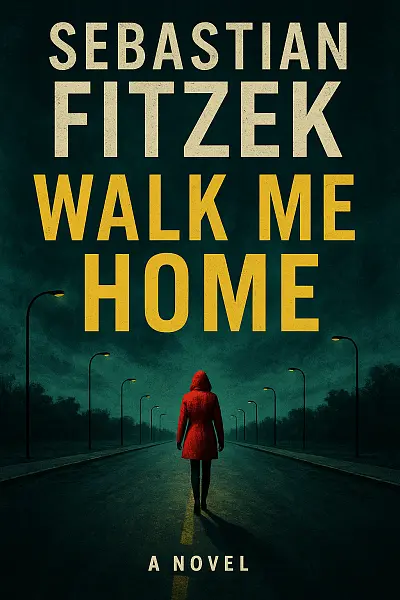
Walk Me Home
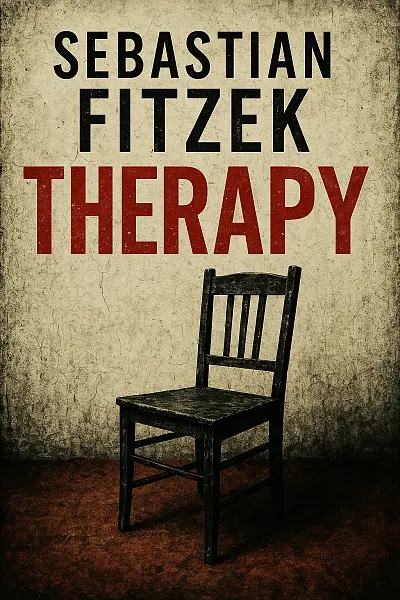
by: Sebastian Fitzek
Jules Tannberg volunteers late nights at a “walk me home” call service, offering support to women crossing the city’s shadowy streets alone. He’s never faced real danger—until Klara’s desperate voice crackles through the line. She’s being stalked, haunted by the memory of her attacker and a horrifying warning: her death date, scrawled in blood, is tonight.
Jules becomes her lifeline, guiding her through panic and darkness with only his words—and hope—as protection. The tension crackles as every minute counts, the threat growing closer.
This story’s electric, paranoid tone pulls you into a frantic race against fate, leaving you breathlessly wondering: can Klara survive until dawn?
"“Sometimes, the road we fear most is the only path that leads us back to ourselves.”"
Let's Break This Down
The Author's Voice
Atmosphere:
- Electric with unease, the entire book crackles with a sense of impending danger. Fitzek crafts a claustrophobic, nerve-tingling setting where shadows seem to move and silence is rarely comforting. Every chapter feels drenched in suspense—the world he builds is as much psychological as physical, drawing readers into a labyrinth of paranoia and urgency.
Prose Style:
- Fitzek’s writing is punchy, direct, and almost cinematic. Expect short, rapid-fire sentences that pack emotional punches and keep the momentum racing. He rarely embellishes and instead “shows the grime beneath the fingernails” of every moment—his language is unvarnished and brutally honest. Dialogue is sharp, with a tendency to reveal characters’ jagged edges and hidden motives, making the story feel urgent and lived-in.
Pacing:
- The pacing is relentlessly fast. Fitzek never lets the reader catch their breath—chapters are brief, often ending on cliffhangers, demanding that you keep turning pages. The story’s tempo is closer to a thriller’s sprint than a slow-burn mystery; expect very little downtime. Even quieter scenes are laced with a pulse of anxiety, propelling you forward.
Character Development:
- There’s an emotional rawness to the characters. Fitzek sketches them in bold strokes, gradually peeling back their fears and traumas as the story hurtles forward. They often feel deeply flawed and painfully human, reacting viscerally to the threats around them. Subtlety isn’t the guiding principle here—instead, Fitzek leans into psychological intensity and confronting readers with messy, urgent emotion.
Overall Mood and Feel:
- Grim, high-strung, and unyieldingly tense. Every page thrums with dread and volatility, making it impossible to settle comfortably. It’s a book that grabs you by the throat and doesn’t let go until the final page—ideal for those who love psychological tension and thrillers that refuse to play it safe.
Key Moments
- Sinister lullabies echoing through midnight Berlin streets
- A runaway girl haunted by memories she can't trust
- Relentless tension—Fitzek turns everyday fears up to eleven
- Masked stranger on the tram, cryptic riddles, and a clock ticking down
- Dialogue so sharp you’ll flinch—grief and paranoia entwined
- Unexpected hero: a gentle bus driver with demons of his own
- Final reveal upends everything you thought you understood
Plot Summary
Walk Me Home by Sebastian Fitzek plunges readers into the intertwining lives of a grieving father, Paul, and his vanished daughter, Livia. After Livia disappears without a trace while walking home, Paul is drawn into a twisted psychological game engineered by her abductor—revealing dark family secrets and the extent of his own guilt. The story masterfully plays with timelines, moving between Paul’s frantic present-day search and haunting flashbacks, until a breathless climax reveals not only the identity of Livia’s captor, but also the harrowing truth that Paul’s memories have obscured: he played an indirect part in her disappearance. The plot races toward an intense standoff where Paul must confront his deepest fears, and the novel closes on an ambiguous note—Livia is found alive but forever changed, leaving father and daughter to navigate a profoundly altered relationship.
Character Analysis
Paul, the protagonist, is a raw portrayal of guilt and obsession—initially self-destructive, his journey through the story forces him to confront painful memories and acknowledge his failings as a parent. Livia, while physically absent for much of the novel, is compellingly rendered through memories and snippets of her captivity, showing remarkable resilience and inner strength. The antagonist manipulates events from the shadows, serving as a catalyst for Paul’s transformation rather than a conventional villain. By the end, Paul’s arc shows significant growth: he moves from denial and blame to acceptance and a tentative hope for redemption.
Major Themes
The major theme running through Walk Me Home is the complexity of parental love—the messy, fraught territory between protection and control, trust and fear. Fitzek also explores the nature of guilt, especially how it corrodes relationships and shapes memory, as seen in Paul’s shifting recollections of Livia’s last day. The book tackles trauma, not just through Livia’s ordeal, but in how entire families suffer, grieve, and attempt to heal together. Ultimately, Fitzek asks what forgiveness looks like after unimaginable pain, posing tough questions about justice versus closure.
Literary Techniques & Style
Fitzek’s style is razor-sharp and cinematic, with brisk chapters and cliffhanger endings fueling a relentless pace. He uses alternating timelines to build suspense, gradually filling in the puzzle of Livia’s disappearance and Paul’s fractured psyche. Symbolism appears throughout—for instance, the recurring motif of locked doors embodies both physical captivity and the emotional barriers between Paul and Livia. The author’s frequent use of unreliable narration keeps readers guessing, and occasional metaphorical language sharpens the novel’s psychological focus.
Historical/Cultural Context
Set in contemporary Germany, Walk Me Home reflects the anxieties of modern urban life, where safety is uncertain and families can unravel in the blink of an eye. The narrative draws upon real-world societal fears—child abduction, parental responsibility, and media sensationalism—giving it a chilling plausibility. Fitzek’s background in German crime fiction traditions also informs his taut plotting and dark psychological insights.
Critical Significance & Impact
Walk Me Home stands out as a gripping psychological thriller that deepens the genre with emotional resonance and moral complexity. Critics have praised Fitzek for his propulsive storytelling and his nuanced depiction of trauma and recovery. The novel’s lasting impact lies in its exploration of grief and hope, sparking tough conversations about personal responsibility and the boundaries of forgiveness. It’s a popular choice for readers who crave thrillers with genuine heart and depth.
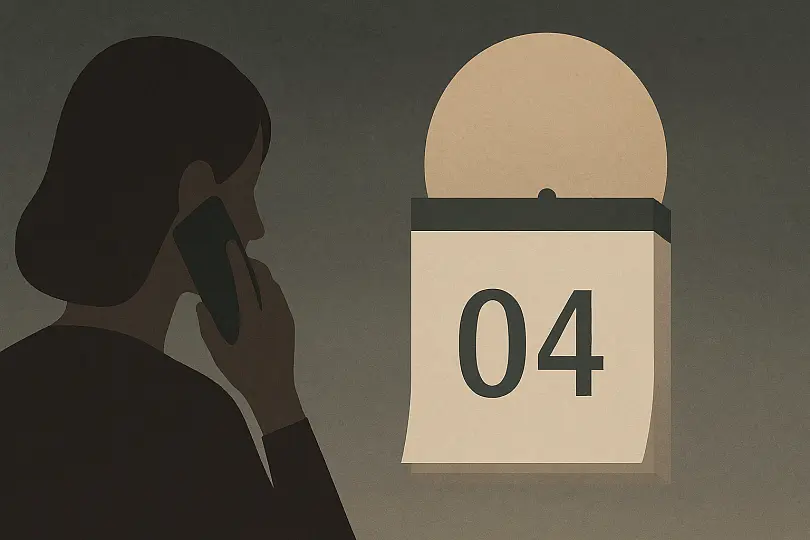
A vanished child, a haunted past—dark secrets walk beside you.
What Readers Are Saying
Right for You If
Who’s Going To Love "Walk Me Home" (and Who Probably Won’t):
If you’re the kind of reader who lives for twisty psychological thrillers that mess with your head, this one is totally going to hook you. Do you get a kick out of unreliable narrators, dark secrets, and high-stakes mind games? Buckle up—Fitzek delivers on all fronts. Fans of authors like Gillian Flynn, Paula Hawkins, or even early Stephen King are probably going to devour this in a couple of sittings.
Love obsessive page-turners with short chapters and relentless pacing? You’re in the right place. If cliffhangers and gut-punch reveals get your adrenaline going, add this to your TBR.
That said, this book definitely isn’t for everyone. If you shy away from darker themes or need your characters to be warm and relatable, you might want to pass. Fitzek goes deep into some unsettling territory—sometimes pretty bleak—so if you’re sensitive to moral ambiguity, psychological trauma, or gritty violence, you might find parts of this story a little much.
Also, if you prefer slow-burn mysteries, intricate literary prose, or super detailed world-building, this probably isn’t going to scratch that itch. And if you’re not a fan of the “wait, what just happened?!” style of storytelling, the way this book plays with reality and memory might leave you more frustrated than thrilled.
In short:
- Perfect for: Thriller junkies, fans of psychological rollercoasters, readers who love shocking twists
- Maybe skip if: You want cozy mysteries, relatable heroes, or can’t stand feeling unsettled
If you’re up for a dark, mind-bending ride where you can trust absolutely nothing, "Walk Me Home" will be right up your alley. If not? No hard feelings—there are plenty of warm, fuzzy reads waiting for you elsewhere!
What You're Getting Into
Ready for a late-night thrill ride?
Walk Me Home by Sebastian Fitzek drops you into a pulse-pounding Berlin, where a psychologist moonlighting on a crisis hotline receives a chilling call from a frightened little girl.
Suddenly, the anonymous comfort of the night turns into a desperate game of cat and mouse, as secrets threaten to unravel and every second counts.
If you love twisty psychological suspense and characters with everything to lose, this one will keep you up way past your bedtime!
Characters You'll Meet
-
Leonore “Leo” Teska: Young girl at the heart of the story, Leo’s desperate escape and fierce need to protect her younger sister drive the plot’s tension. Her resilience and vulnerability anchor the emotional stakes.
-
Noemi Teska: Leo’s mute little sister whose silence and traumatic past add layers of mystery and urgency. Noemi’s safety becomes the central force motivating Leo’s actions.
-
Paul Bokowski: Child psychologist trying to help the girls, Paul’s compassion and inner demons intersect as he risks everything to save them. His expertise and empathy provide a lifeline when all seems lost.
-
The Driver (“Walk Me Home” App User): Anonymous antagonist who stalks the sisters using the titular app; menacing and unpredictable, this villain adds an edge of psychological terror to every scene.
-
Detective Julia Wenger: Investigator racing against the clock, Julia’s relentless pursuit and sharp instincts uncover deeper secrets. Her determination brings much-needed hope amid the darkness.
More Like This
If the obsessive twists and relentless pacing of Gillian Flynn’s Gone Girl kept you guessing late into the night, you’ll instantly be drawn into Walk Me Home. Fitzek’s knack for unreliable narrators and shifting realities will feel deliciously familiar, but he ratchets up the psychological games to a fever pitch. Meanwhile, fans of Paula Hawkins’ The Girl on the Train will find kindred tension in the claustrophobic, unsettling atmosphere—there’s the same sense that every character’s hiding shadows and nothing is really as it seems, making trust a risky business for both the reader and the players on the page.
On the screen, Walk Me Home brings to mind the chilling unease of Black Mirror, especially in the way ordinary situations take a menacing turn. Fitzek, like the series, starts with relatable fears but spirals them into territory that’s uncomfortable and provocative, raising ethical questions while keeping you utterly gripped. The blend of real-world anxiety with mind-bending narrative surprises is exactly what makes both the book and the show so hard to shake.
Critic's Corner
What does it mean to live under the shadow of your own mortality, with the exact moment of death stalked across your calendar? Walk Me Home by Sebastian Fitzek dives unflinchingly into our primal fears—loneliness, vulnerability after dark, the cold certainty of an end date—while asking what courage means in the face of terror. Through its chilling premise, the novel forces us to question: How do we keep moving forward when every step feels like the last?
Fitzek’s writing is nothing if not propulsive. His tight, cinematic prose pulls you along at breakneck pace, mirroring the panic of Klara’s desperate call. There’s a palpable immediacy to each interaction; the use of present tense and interspersed phone call sequences bring a kinetic, almost claustrophobic intensity. Sharp scene cuts, minimalist dialogues, and vivid nocturnal imagery create a world where every shadow feels pregnant with threat. Fitzek leverages the “walk me home” premise ingeniously, turning ordinary streets into corridors of dread and empathy. While his style is compulsively readable, at times the relentless momentum can come at the expense of subtlety—character depth occasionally yields to narrative velocity, particularly in moments where emotional nuance would deepen the impact.
The novel’s biggest accomplishment lies in its thematic exploration. Fitzek excavates the anxieties of urban women, the invisible fears wrapped around a simple walk home. The terror here isn’t just external—it’s systemic, a gut-level knowledge shared by anyone who’s ever texted “home safe!” in the dead of night. The “death date” motif is brilliantly metaphoric, critiquing a society obsessed with control over the uncontrollable, and the dark comfort some take in fatalistic thinking. By weaving trauma, agency, and solidarity into the thriller fabric, the book feels viscerally relevant—especially in an era when women’s safety and digital intimacy are urgent conversations. Fitzek also gently nudges at philosophical questions: If you knew when you would die, how would you live? The story resists pat answers, instead steeping readers in the messy, unheroic truths of survival.
Within the psychological thriller tradition, Fitzek is renowned for redefining fear. Walk Me Home stands out through its point-of-contact urgency—think a hybrid of Nicci French’s gritty realism and the relentless tension of Claire Mackintosh. Yet, Fitzek’s signature twist is making technology a double-edged sword: safety net and sinister stage. Compared to Fitzek’s prior work, there’s a more stripped-down, pulse-pounding feel, sacrificing labyrinthine plots for a raw emotional connection.
Despite its kinetic strengths, some readers may find the rapid pacing leaves secondary characters slightly shaded and that the emotional aftermath of trauma isn’t always fully explored. However, Fitzek’s masterful sense of place, keen eye for contemporary fears, and unique narrative hook make this a thriller that lingers after the final page. Walk Me Home isn’t just a suspenseful ride; it’s a resonant meditation on modern fear—and the small acts of bravery we offer each other, one phone call at a time.
Community Thoughts
So I picked up Walk Me Home thinking I'd read a few chapters before bed, but NOPE, now it’s 3AM and I’m still spiraling about that twist with Liv’s phone! Fitzek, why did you do this to my sleep schedule?!
Did anyone else just FREEZE when the little girl whispered in the tunnel? That scene spun in my head all night, I literally kept the lights on. Fitzek, what are you doing to my nerves?
Is it weird that I’m still thinking about the kid in the red jacket? Fitzek gave me chills with that reveal. I literally had to turn on all my lights and check my locks. Walk Me Home is the reason I’ll never trust a quiet street again.
What just happened? I closed Walk Me Home and stared at the wall. Did I really understand any of it? The ending spun me around and spit me out. Still thinking about that twist. Now I can't sleep.
Halfway through Walk Me Home, I found myself checking the locks twice—Fitzek's twists got under my skin. That one chapter with the phone call? Still echoing in my head. Definitely left me uneasy but couldn't stop turning pages.
Leave Your Review
Local Take
Why It Matters
Walk Me Home by Sebastian Fitzek strikes a distinct chord with German readers, deeply resonating with the country's palpable concerns around personal safety and trust in public spaces.
-
Echoes of Germany’s recent focus on public security and personal boundaries are everywhere in this thriller. The fear-laden urban backdrop and themes of vulnerability recall both historical anxieties from the division of Berlin—and more recent debates about surveillance and social cohesion.
-
German values of order, caution, and social responsibility are both echoed and challenged; the novel’s focus on unpredictable danger throws a spotlight on why community vigilance and support are so emphasized in local culture.
-
Certain plot twists involving trust and betrayal land especially hard here, where tight-knit communities are idealized yet also scrutinized for their ability to truly protect.
-
Fitzek’s signature psychological pacing and intense, claustrophobic atmosphere taps into German literary traditions—but also feels like a bold twist on the classic Krimi (crime novel), blending familiar elements with a modern, unsettling edge.
It’s that blend of real-world unease and gripping suspense that makes the story hit so hard in the German context—leaving readers both unnerved and utterly hooked.
Food for Thought
Notable Achievement:
Walk Me Home by Sebastian Fitzek achieved instant bestseller status in Germany, captivating a massive international readership and solidifying Fitzek's reputation as one of Europe's most influential contemporary thriller authors.
The novel has been praised for its unique blend of psychological suspense and emotional depth, drawing in both longtime fans and newcomers to Fitzek's gripping storytelling style.
Like what you see? Share it with other readers