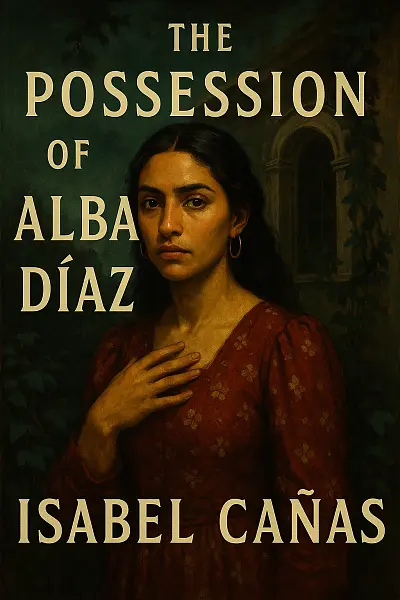
The Possession of Alba Díaz
by: Isabel Cañas
Alba Díaz escapes plague-ridden Zacatecas with her wealthy family and fiancé, Carlos, seeking safety in his family’s bleak, isolated mine. But when Alba is gripped by hallucinations and terrifying nighttime episodes, it’s clear their refuge hides darker dangers. Something unspeakable begins to claim her body—and her soul.
As fear mounts, Elías, Carlos’s enigmatic cousin, finds himself drawn to Alba’s brilliance and unraveling spirit. Despite propriety (and the risk of scandal), he can’t look away as she teeters on the edge of possession.
Will Alba and Elías trust each other enough to face the sinister force tightening its grip—or be consumed? The story’s moody, atmospheric prose sizzles with tension and gothic suspense.
"In the shadows we inherit, we learn that to banish a haunting, one must first face the ghosts within."
Let's Break This Down
The Author's Voice
Atmosphere
- Gothic and Lush: The book soaks every scene in a moody, almost spectral ambiance, weaving together shadows and sensuality. Expect descriptions that drip with tension and foreboding, while bursts of color and sound evoke both dread and wonder.
- Claustrophobic Intimacy: Tight, closed spaces abound—whether crumbling mansions or stifling social circles—amplifying feelings of isolation and suspense.
Prose Style
- Lyrical and Immersive: Isabel Cañas’s writing blends the poetic with the tangible, painting haunting visuals without losing narrative clarity. Sentences can be beautifully ornate but rarely feel overwrought.
- Sensory Richness: The prose leans heavily into the senses, from the scent of old wood to the bitter taste of fear, making the world immediate and hauntingly corporeal.
- Dialogues with Edge: Conversations feel sharp and emotionally loaded, carrying an undercurrent of both longing and menace.
Pacing
- Deliberate Build-Up: The story prefers a slow simmer to a rolling boil. Early chapters may feel like they inch forward, but the tension accumulates until it’s nearly unbearable.
- Explosive Climaxes: Payoff comes in sudden, shattering bursts—moments of revelation or violence that jolt the reader and send ripples through the narrative.
- Reflective Interludes: Expect thoughtful pauses between the scares, where character introspection and world-building are given room to breathe.
Mood & Feel
- Emotional Intensity: The writing leans into big feelings—grief, terror, longing—without apology, creating a book that feels intensely personal and immediate.
- Unsettling Beauty: Every pretty description seems tinged with rot; beauty and horror entwine, leaving you constantly off-balance in the best possible way.
Overall Rhythm
- Unhurried yet Relentless: Even as the prose lingers on details and emotion, an undercurrent of inevitability propels the story forward.
- Perfect for Fans of Suspenseful, Atmospheric Gothic Tales: If you love a book that takes its time haunting you—and then won’t let go—this one nails that feeling.
Key Moments
- Alba’s first night in the haunted hacienda—chills that linger for days
- Ghostly secrets woven through lush, poetic prose—you can almost smell the gardenias
- That heart-pounding séance scene: terror, vulnerability, and desperate hope collide
- Forbidden romance with a supernatural edge—heat and heartbreak in every stolen glance
- Familial betrayal revealed beneath flickering candlelight (chapter 15 = gasp!)
- Grief heavy as velvet, shaping every character’s choices and regrets
- A villain who’s as magnetic as he is menacing—obsession never looked so dangerous
Plot Summary
The Possession of Alba Díaz kicks off in 19th-century Mexico, where Alba Díaz, a young woman haunted by the trauma of her family’s violent past, becomes the target of a sinister supernatural force. After returning to her ancestral hacienda following her mother's death, Alba is plagued by ghostly apparitions and unsettling visions that seem intimately connected to her lineage’s dark secrets. As the line between reality and possession blurs, she forms a wary alliance with Mateo, an outsider with his own mysterious agenda. Together, they unravel a web of betrayal and colonial injustice, leading to a shocking revelation: Alba herself is host to an ancient spirit seeking vengeance. The story crescendos in a tense confrontation where Alba must reclaim her agency, ultimately breaking the cycle of haunting by confronting the sins of the past—offering both herself and her family’s legacy a chance at redemption.
Character Analysis
Alba Díaz emerges as a deeply layered protagonist—initially vulnerable and isolated, yet consistently driven by curiosity and resilience. Her journey from fearful survivor to empowered agent forms the heart of the novel, as she confronts not only supernatural dangers but also her internalized guilt and generational trauma. Mateo is equally intriguing: shaped by loss and a hunger for truth, he oscillates between skepticism and compassion, growing closer to Alba as their shared struggles unfold. Even secondary characters—like Alba’s enigmatic aunt Carmen and the stoic farmhands—add texture and help illuminate the social hierarchies and cultural superstitions underpinning the narrative, revealing shifting loyalties as secrets surface.
Major Themes
At its core, the novel grapples with the weight of inheritance—how histories, traumas, and cultural legacies are passed down, and whether individuals can break free. Family—as both a source of strength and a prison—looms large, especially as Alba uncovers the costs of loyalty and silence. Colonialism and justice form a persistent backdrop: the haunting itself emerges as a metaphor for the unresolved sins of colonial violence and dispossession. And, of course, possession operates on multiple levels: literal, spiritual, psychological, and societal, as each character must reckon with forces—both external and internal—beyond their control.
Literary Techniques & Style
Isabel Cañas’s writing is lush, evocative, and deftly atmospheric—she mixes gothic tropes with vivid sensory details to conjure a haunted world where every shadow drips with menace. The narrative structure flits seamlessly between past and present, sometimes blurring timelines to evoke Alba’s unraveling sense of reality. Symbolism abounds: mirrors, family portraits, and blood all take on layered meanings, connecting the supernatural with the personal. Cañas’s use of metaphor—like describing possession as a “chill blooming in the bones”—makes the horror both visceral and intimately psychological, while her measured use of traditional gothic motifs pays homage to classic horror without ever feeling stale.
Historical/Cultural Context
Set against the backdrop of late 19th-century Mexico, the novel pulses with the aftershocks of colonialism, the fervor of independence, and the deep-rooted societal hierarchies that still govern land and spirit. Catholic beliefs intersect with indigenous folklore, shaping the characters’ perceptions of haunting, guilt, and redemption. This historical layering enriches the narrative, grounding Alba’s personal struggles in the tectonic shifts of Mexican history and culture.
Critical Significance & Impact
The Possession of Alba Díaz stands out as a contemporary gothic that reinterprets classic horror through a distinctly feminist, postcolonial lens. Critics have praised its blend of psychological complexity, atmospheric horror, and social commentary—cementing Cañas as a fresh voice in literary genre fiction. For students and readers, the novel offers rich ground for exploring how haunted histories—both personal and national—continue to echo in the present.
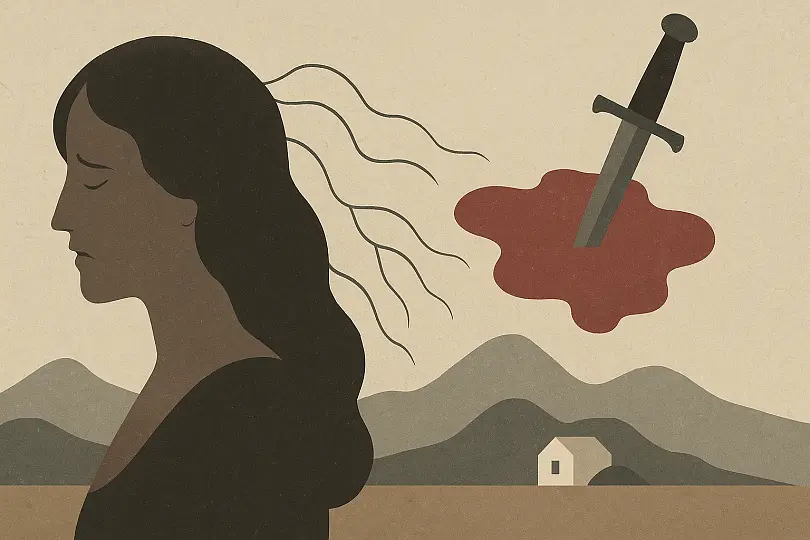
Haunted by spirits, bound by desire—gothic Mexico like you've never seen.
What Readers Are Saying
Right for You If
Who’s Going to Absolutely Love The Possession of Alba Díaz?
If you live for atmospheric Gothic tales with just the right amount of supernatural suspense, this one is calling your name. Seriously—if you’re someone who loves haunted houses, tangled family secrets, and historical backdrops (think 19th-century Mexico), you’ll eat this up. Fans of Silvia Moreno-Garcia or those who enjoyed Mexican Gothic are 100% in the target zone here.
- Love dark, moody vibes and eerie cultural legends? Check.
- Enjoy a slow burn romance woven into tales of ghosts and curses? Double check.
- Obsessed with twisty plots that mess with your sense of reality? You’re in for a treat.
This book also totally caters to readers who don’t need everything spelled out and can appreciate a bit of ambiguity or open threads. Cañas balances spine-tingling scares without going full horror—so folks who are creeped out but not wanting nightmares will find their sweet spot here. And there’s a nice layer of Mexican folklore and history for anyone who loves learning through fiction.
Who Should Maybe Skip This One?
- If you’re not big on slow-building stories—like, if you want action on page one and non-stop thrills—this might drag for you.
- Readers who prefer tidy endings where every question is answered might feel a little antsy; the book leans more mysterious than neatly resolved.
- And if romance or family drama isn’t your thing (especially mixed with some good old-fashioned ghostly chills), you might want to keep browsing.
All in all, it’s a delicious pick for people who want their fiction haunting, richly layered, and emotionally complex. If that sounds like your jam, get comfy and dive in!
What You're Getting Into
Dive into The Possession of Alba Díaz by Isabel Cañas and get swept into a lush, haunting story where family legacies and ancient secrets collide in 19th-century Mexico. When the fiercely intelligent Alba returns to her ancestral home, eerie happenings—and her own unshakable sense that something isn’t right—quickly unravel her grip on reality. Expect a moody, atmospheric mix of gothic suspense and supernatural intrigue, all centered around a heroine you’ll instantly root for.
Characters You'll Meet
-
Alba Díaz: The plucky protagonist grappling with supernatural forces after moving into a new home; her determination and vulnerability anchor the story as she uncovers family secrets.
-
Violeta Cruz: Alba’s fiercely protective aunt, who is skeptical of the paranormal but ultimately becomes one of Alba’s staunchest supporters; her practicality grounds the narrative.
-
Father Nicolás: The enigmatic priest brought in to investigate the haunting; his inner conflict between faith and fear adds tension and raises big questions about belief.
-
Marta Reyes: Alba’s childhood friend, whose loyalty is tested by the terrifying events; she acts as both skeptic and emotional anchor, adding dimension to Alba’s journey.
-
The Spirit: The enigmatic force haunting Alba’s home, whose menacing presence drives the plot and exposes painful truths; serves as both antagonist and an eerie catalyst for personal reckonings.
More Like This
If Mexican Gothic by Silvia Moreno-Garcia swept you away with its haunting atmosphere and supernatural shadows lurking behind grand old walls, The Possession of Alba Díaz delivers that same intoxicating blend of folklore and suspense—here intensified by Cañas’s intimate threading of cultural history and chilling secrets. Readers who found themselves breathless at the feverish unraveling of identity and the past in Rebecca by Daphne du Maurier will appreciate Alba's struggle as she navigates an environment thick with suspicion, doubt, and ghostly longing, each page drawing you further into the labyrinth of memory and haunting.
Looking for a visual parallel? This novel conjures the elegant dread of The Haunting of Hill House (Netflix), where a stately home becomes a living entity and every shadow—literal or imagined—serves as a reflection of the characters’ deepest fears and desires. The result is a deliciously eerie experience that lingers long after the final page, masterfully bridging the spectral, the emotional, and the real.
Critic's Corner
What happens when the boundaries between the supernatural and the psychological dissolve in the heart of a plague-isolated wilderness? The Possession of Alba Díaz plunges readers into a world where paranoia, desire, and ancestral guilt entwine, asking whether evil is born from within or seeps in from the shadows outside—a question as timely now as it was centuries ago.
Cañas writes with eerie lyricism, conjuring the oppressive atmospherics of colonial Zacatecas with sensory precision. Her prose oscillates deftly between lush and claustrophobic, pulling you into Alba’s feverish unraveling. Short, jittery sentences mirror moments of terror, while extended passages let dread coil and tighten. There’s a beautiful intentionality to the shifting perspectives—Alba’s fragmented consciousness contrasts sharply with Elías’s haunted introspection, creating a dynamic narrative interplay. Dialogues crackle with subtext, exposing hidden alliances and buried secrets among the besieged families. Particular flourishes—such as the grotesque imagery of plague and the rhythmic invocation of old-world superstitions—reinvigorate familiar gothic motifs, imbuing each scene with fresh menace. If there’s a flaw, it lies in the occasional overindulgence: some metaphors and internal monologues teeter on purple, diluting their intended impact and briefly stalling pacing.
At its core, the novel examines possession—not merely by demons, but by history, family, fear, and forbidden longing. Alba’s nightmarish symptoms serve as a crucible, forcing her and those around her to confront uncomfortable truths about autonomy, gendered expectations, and the medicinal versus the mystical. Zacatecas’s cultural crossroads—where Indigenous belief, Catholic ritual, and colonial ambition clash—become more than background; they’re essential battlegrounds in the fight for Alba’s soul. Cañas deftly critiques both the literal and metaphorical plagues wrought by colonialism, layering in resonant questions about who is seen as “cured” or “contaminated,” who is ‘othered,’ and who gets to author their own salvation. The love triangle at the novel’s heart—tangled and fraught—never feels superfluous, instead serving as a lens on power, agency, and the allure of breaking taboo.
Within the growing library of postcolonial Gothic, The Possession of Alba Díaz stands out for its fusion of Mexican folklore with classic horror structures. Cañas moves beyond the haunted house trope, using the mine—a wound in the earth—as both setting and symbol for buried trauma and extractive violence. Fans of Silvia Moreno-Garcia’s Mexican Gothic or Alma Katsu’s The Hunger will find thematic kinship here, but Cañas carves a distinct niche with her focus on spiritual warfare and the female body under siege.
While some character arcs resolve too conveniently and the denouement verges on melodramatic, the novel’s blend of intimate horror and cultural critique lingers long after the final page. Cañas delivers a haunting, propulsive read that feels at once old as myth and newly urgent—highly recommended for fans of literary horror hungry for something genuinely original.
Community Thoughts
okay but WHY did that scene with the mirror and the endless shadows absolutely ruin my night? couldn't sleep after that, kept thinking i was seeing things move in the corners of my room.
I didn’t sleep for two nights after reading this. The way Alba’s mother appeared in the hallway? NO THANK YOU. That scene just kept replaying in my mind. Isabel Cañas, why would you do this to us?
the shadowy nun in chapter four? still thinking about her. I had to leave the lights on all night because the dread wouldn’t leave. isabel cañas, what did you unleash into my dreams?
Okay, that SCENE with the mirror? chills. I swear I kept checking my own reflection for hours after. Isabel Cañas crafts discomfort like a spell. Alba’s unraveling felt way too real. Sleep? Not an option.
okay but listen, that dinner scene with the candles and the shadows? i literally had to pause and check every corner of my room after. alba’s fear felt like it seeped through the page and straight into my bones.
Leave Your Review
Local Take
Why It Matters
Certainly! Here’s a culturally focused analysis of The Possession of Alba Díaz by Isabel Cañas, tailored to resonate with a Spanish-speaking Latin American audience and formatted in an engaging markdown style:
Wow, Isabel Cañas’ The Possession of Alba Díaz hits differently in Latin America!
- The book’s supernatural tensions echo real historical traumas—think colonial hauntings and the generational impact of dictatorship. Readers here feel those ancestral echoes.
- Family loyalty vs. societal expectations? So relatable! In cultures where family and tradition are paramount, Alba’s internal tug-of-war packs an emotional punch. It taps into the region’s value of familismo while calling out inherited silence.
- The novel’s exploration of possession and spiritual worlds couples perfectly with local beliefs. Brujería, espiritismo, curanderismo—all these are part of day-to-day lore, so possession isn’t just a horror trope, it’s something people talk about after dinner.
- Alba’s struggle with identity and self-determination mirrors ongoing Latin American conversations about feminism, autonomy, and breaking generational cycles.
Honestly, Cañas nods to magical realism but cranks up the darkness, both respecting and pushing against local literary traditions. That’s what makes her story linger long after the last page.
Food for Thought
Notable Achievement for The Possession of Alba Díaz by Isabel Cañas
Let’s talk about a win:
Isabel Cañas’s The Possession of Alba Díaz has been celebrated for its unique blend of supernatural suspense and exploration of cultural identity, quickly becoming a standout in 2024’s gothic fiction scene.
- Early buzz includes a devoted online following, glowing features in major book editorials, and widespread praise for amplifying Latina voices in speculative fiction.
- Several literary circles have tipped it as a strong contender for genre awards this year, and its atmospheric storytelling is sparking discussions about the future of Latinx horror in mainstream publishing.
Like what you see? Share it with other readers