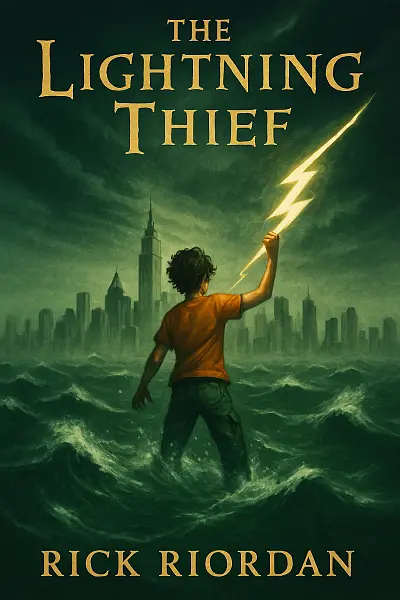
The Lightning Thief
by: Rick Riordan
Percy Jackson’s life in New York feels like a struggle—he’s a good kid, but chaos seems to follow him everywhere, from school trouble to bizarre monsters nobody else sees. His world gets upended after a terrifying attack reveals that Greek gods are real and he’s actually the demigod son of Poseidon.
Shipped off to Camp Half-Blood for his safety, Percy quickly realizes that not only is he different, he’s at the center of a brewing divine conflict. Alongside his loyal friends, he sets out across the U.S. to recover Zeus’s stolen lightning bolt, with Olympian war and his mother’s fate hanging in the balance.
Riordan mixes modern sarcasm and ancient myth for a wild, high-stakes adventure that’s hilarious and honestly a bit nerve-wracking—can Percy find the thief before the gods declare war?
""Sometimes the monsters we outrun are shadows of our own doubts, but courage is learning to claim your place in a world that never felt made for you.""
Let's Break This Down
The Author's Voice
Atmosphere
The Lightning Thief bursts with an adventurous, electric vibe—think modern-day New York colliding with ancient Greek gods. The mood is playful yet laced with danger, whisking you through bustling city streets, eerie forests, and mystical underworld hideouts. There’s a real sense of wonder here; magic lurks around every corner, but so does humor, giving the book a lighthearted, almost mischievous undercurrent even when stakes get high. The tone feels lively and immediate, inviting you to leap into the action right alongside Percy.
Prose Style
Rick Riordan writes with a crisp, breezy energy that’s super easy to fall into—nothing too flowery or dense. The narration is fresh, peppered with snappy dialogue, witty asides, and a steady stream of sarcasm from our narrator Percy. There’s a conversational, almost confessional feel to the writing, igniting a quick connection between reader and main character. The language is modern and relatable, packed with pop culture references and accessible humor—perfect for middle grade and up, but not so simplistic that older readers feel out of place.
Pacing
Short, punchy chapters keep things moving at full tilt. The book rarely slows down, shifting from one action set piece to another with barely a breath in between. Even exposition and world-building moments are tucked into quick, digestible chunks, never dragging the energy down. The sense of urgency is constant; you always feel like you’re racing toward the next twist or burst of chaos. It’s a wild ride, tailor-made for fans who hate getting bogged down in lengthy pauses.
Dialogue & Character Voice
Conversations sparkle with personality—Percy’s voice is especially distinctive: snarky, vulnerable, unexpectedly wise. The banter between characters pulls you right in, balancing heartfelt moments with quick-fire jokes. Riordan has a knack for making even mythological gods sound grounded and familiar, lending the cast an irresistible sense of realism, despite their otherworldly origins.
Imagery & Description
Descriptions are vivid but never overdone. You’ll see the monsters shimmer and feel the humidity of Camp Half-Blood, yet you’re never stuck wading through paragraphs of scenery. Riordan opts for broad, energetic strokes, painting the essentials and letting your imagination fill in the rest. It’s cinematic—easy to visualize every scene without being weighed down.
Overall Vibe
Think of The Lightning Thief as an energetic road trip with your funniest friend—action-packed, a bit irreverent, and utterly addictive. There’s a mischievous spirit here, but also real warmth and emotional honesty peeking through the thrills. If you love fast-paced fantasy with a big heart, Riordan’s style will sweep you right up.
Key Moments
- Percy Jackson’s world-shattering discovery at Yancy Academy: his math teacher is actually a Fury!
- Sassy repartee and sparkly sass – Annabeth keeps the crew grounded (mostly)
- Grover’s goat reveal: when your best friend is literally half-satyr, and you seriously did not see that coming
- Camp Half-Blood: swords, capture the flag, and Olympian father issues galore
- The Gateway Arch showdown—Percy versus a hellhound, and no one believes him about the water tornado escape
- Road-trip mayhem: Medusa’s garden comes with a side of petrifying selfies and terrifying mother-in-law vibes
- Impossibly cool—Greek myths crash into modern America with snarky chapter titles and wild, page-turning humor
Plot Summary
The Lightning Thief kicks off with Percy Jackson, a twelve-year-old with dyslexia and ADHD, discovering he's the son of Poseidon after being attacked by a monstrous Fury on a school trip. At Camp Half-Blood, a safe haven for demigods, Percy learns Zeus's master lightning bolt has been stolen and he's the prime suspect. Joined by his friends Annabeth and Grover, Percy embarks on a cross-country quest to the Underworld to retrieve the bolt, facing mythological monsters and uncovering betrayals. The trio uncovers that Luke, a fellow camper, is the true thief acting under the influence of Kronos, aiming to incite a war among the gods. In the end, Percy clears his name, returns the bolt to Zeus, and prepares for more challenges ahead after realizing the gods' conflicts are far from over.
Character Analysis
Percy starts out as an insecure, often misunderstood kid but grows throughout the novel into a courageous and resourceful hero who embraces his identity. Annabeth, daughter of Athena, is fiercely intelligent and driven by a desire for acceptance and accomplishment—her friendship with Percy helps her learn trust and vulnerability. Grover, Percy's satyr protector, struggles with fear and self-doubt but proves loyal and brave, eventually achieving his dream of becoming a searcher for Pan. Luke is revealed as a complex antagonist: embittered by the gods' neglect of their children, he's manipulated into betraying the camp, highlighting the emotional toll of the gods' failures as parents.
Major Themes
The search for identity is front and center—Percy’s journey is about self-acceptance and learning where he belongs, evident in his initial struggles and ultimate embrace of being a demigod. Friendship and loyalty drive the plot; Percy’s relationship with Annabeth and Grover underscores the importance of trust and cooperation in overcoming adversity. The consequences of parental neglect thread through the story—both mortal and divine parents fail their children, leading to resentment and conflict, as seen in Luke’s motivations and Percy’s complicated feelings toward Poseidon. The book also weaves in themes of heroism and moral ambiguity, challenging the black-and-white ideas of good and evil.
Literary Techniques & Style
Rick Riordan writes in a witty, fast-paced, and conversational style, using first-person narration that captures Percy’s wry humor and relatable voice. The author excels at blending ancient myth with contemporary settings, using metaphor and allusion (the gods on the 600th floor of the Empire State Building, the Underworld in Los Angeles) to make the fantastical accessible. Vivid action scenes are balanced with clever dialogue and frequent pop culture references. Symbolism is woven throughout—the lightning bolt representing both power and division among the gods—while recurring dreams and prophecies foreshadow future events and deepen the mythic atmosphere.
Historical/Cultural Context
Set mainly in modern-day America, the book reimagines Greek mythology against a contemporary backdrop, making timeless legends relevant for today’s readers. Its focus on learning disabilities (dyslexia and ADHD) as demigod traits reflects a positive, empowering reinterpretation of real-world challenges. Riordan’s story emerged in the early 2000s, resonating with young readers post-Harry Potter by spotlighting underdog heroes and their struggle for acceptance.
Critical Significance & Impact
The Lightning Thief marked the beginning of a major YA fantasy phenomenon, celebrated for introducing Greek mythology to a new generation in an engaging, accessible way. It’s been praised for its diverse characters, humor, and positive portrayals of learning differences, influencing countless readers and inspiring adaptations in film, musical, and television formats. Its legacy endures thanks to its blend of adventure, heart, and mythological depth, keeping it a classroom favorite and a launching pad for many students’ love of literature.

A modern teen battles gods and monsters in a mythic quest for identity.
What Readers Are Saying
Right for You If
Who’s Going to Absolutely Love The Lightning Thief?
- If you’re into fantasy adventures loaded with humor, modern twists, and a whole lot of Greek mythology, this is your jam. Seriously, anyone who grew up loving Harry Potter, Artemis Fowl, or Series of Unfortunate Events will feel right at home in Percy Jackson’s world.
- Middle schoolers and teens (or even the young at heart!) who like fast-paced action, relatable heroes, and a group of friends who feel like your own will probably race through these pages.
- If you geek out over mythology and ancient gods but want them in a fun, fresh, and accessible way—rather than some stuffy old textbook—Riordan makes it all way more exciting.
- Those who enjoy stories about feeling like an outsider, not fitting in, or discovering you’re way more special than you realized will totally connect with Percy’s journey.
- Honestly, even reluctant readers who think books are boring might be surprised, because the chapter titles alone are hilarious and the story doesn’t ever really slow down.
Who Might Want to Skip It?
- If you’re looking for super deep, complex worldbuilding or dark, gritty vibes, this might feel a little too lighthearted or straightforward.
- Anyone who’s not into fantasy, adventure, or coming-of-age themes should probably pass—this book leans all the way into those.
- If you’re the kind of reader who prefers slow-burn plots, intricate prose, or really complex villains, Riordan’s breezy, joke-packed style might not scratch that itch.
- Lastly, adults who want something mature and very literary likely won’t get as much out of it, unless you’re open to reliving a bit of that middle-grade magic.
Bottom line: If you love epic quests, laugh-out-loud moments, and the wild idea of gods and monsters in the modern world, The Lightning Thief totally holds up. If you’d rather avoid teen adventures and Greek myths, you might want to toss this one back on the shelf.
What You're Getting Into
Ever wondered what would happen if Greek gods still meddled in our modern world?
Percy Jackson, a witty twelve-year-old with a knack for trouble, suddenly discovers that mythological monsters and ancient deities are anything but imaginary.
When he’s thrust into a journey to recover a stolen artifact, Percy finds himself navigating a whirlwind of quests, quirky friends, and dangerous secrets—testing his courage as he tries to prevent a war among the gods.
Full of humor, wild adventures, and heart, The Lightning Thief is the start of a fast-paced, magical series that makes mythology feel vibrant, hilarious, and totally epic.
Characters You'll Meet
-
Percy Jackson: The witty and impulsive hero who discovers he's a demigod. His quest to clear his name and find his place fuels the adventure.
-
Annabeth Chase: Wise strategy expert and daughter of Athena. She’s fiercely intelligent and challenges Percy, becoming a loyal friend and key ally.
-
Grover Underwood: Lovable satyr tasked with protecting Percy. His loyalty and unexpected bravery add both humor and heart to the story.
-
Luke Castellan: Charismatic counselor at Camp Half-Blood who hides a darker agenda. His complex motivations set up major conflicts in the series.
-
Chiron: Centaur mentor who guides Percy and his friends. He’s a steady, wise figure helping young demigods navigate their new world.
More Like This
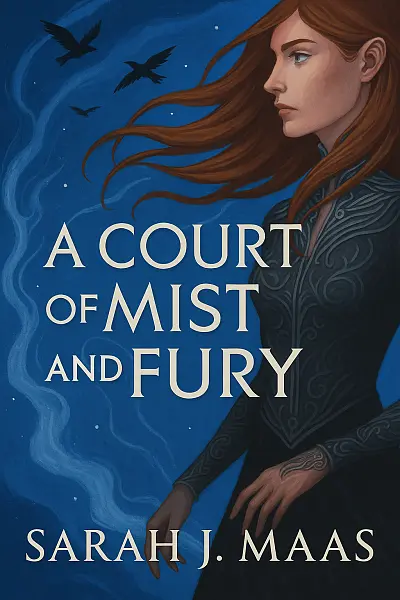
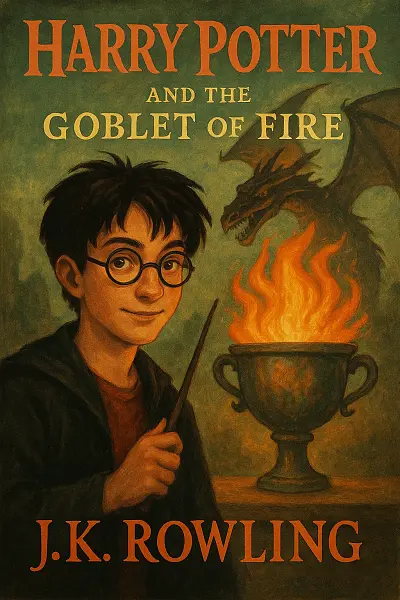
If you ever tore through Harry Potter and the Sorcerer’s Stone as a kid, you’ll instantly vibe with The Lightning Thief. Both throw you into secret magical worlds hidden in plain sight, following witty, unlikely heroes who discover they're not so ordinary after all. There's the thrill of school adventures—only here, it's Camp Half-Blood instead of Hogwarts, and demigods swap out wands for celestial bronze swords.
For fans of Artemis Fowl, Rick Riordan’s snappy humor and modern myth-busting remind you of Eoin Colfer’s way of bending ancient lore with contemporary attitude. The Lightning Thief undercuts the seriousness of its quests with laugh-out-loud one-liners and clever twists, much like Artemis’s plucky escapades. If you crave wild chases and savvy heroes outsmarting forces bigger than themselves, this hits all the right notes.
The book also calls to mind the adventurous spirit of Percy Jackson & the Olympians: The Lightning Thief movie but punches up the humor and emotional stakes. Where the film delivers larger-than-life battles and dazzling CGI, the novel goes deeper—inviting you into Percy’s head, letting you feel the vulnerability and courage behind the monster-fighting bravado. Both serve up epic quests, but in the book you’ll find that extra spark of heart and wit that makes the journey unforgettable.
Critic's Corner
What if the chaos and confusion of adolescence were not just a metaphor—but the literal work of vengeful gods meddling in your everyday life? The Lightning Thief by Rick Riordan takes this provocative idea and charges it with wild creativity, asking readers to reconsider not just the nature of heroism, but the ways in which we all struggle to decipher our own destinies when the odds (and sometimes, the Olympians) are stacked against us.
Riordan’s craft shines in his ability to blend breezy, accessible language with sly wit and winking irreverence. The narrative flows at a snappy pace, anchored by Percy’s distinct first-person voice: equal parts self-deprecation, sharp observation, and emotional vulnerability. Dialogues crackle with humor, especially in the banter among Percy, Annabeth, and Grover, which grounds the mythological stakes in real adolescent frustration and camaraderie. Riordan’s skillful world-building is another highlight; he effortlessly transposes Greek myth into modern America—Las Vegas as a literal Lotus Eaters’ trap, the Underworld shimmering beneath the glitz of Hollywood. The writing may lack the lyrical flourishes of more literary fantasy, but its inviting directness is precisely its charm, serving its middle-grade audience well while keeping older readers engaged.
Beneath the propulsive quest narrative lie resonant themes of identity, belonging, and the complex legacy of family expectations. Percy’s struggle with his ADHD and dyslexia isn’t just incidental; it’s cleverly reimagined as the mark of a demigod, turning supposed weaknesses into sources of power and agency. Riordan crafts a potent metaphor for feeling out-of-place, inviting anyone who’s ever been labeled “different” to see themselves as the potential hero of their own story. The book also interrogates loyalty and trust—how do you build genuine friendship when your origins and allegiances are constantly in flux? The reinterpretation of Greek myth to reflect contemporary social anxieties—parental conflict, environmental neglect, the burdens of fate—gives the novel surprising emotional resonance.
Within the landscape of children's and YA fantasy, The Lightning Thief stands out for its ingenious fusion of ancient myth with modern American pop culture. While it draws on the quest tradition familiar from Tolkien and Rowling, Riordan’s treatment is more irreverent and accessible, particularly in its relatable take on divine dysfunction. As the inaugural entry in the Percy Jackson series, it set a high-water mark for later mythological retellings catering to a younger audience.
If there’s a weakness, it’s the formulaic progression of some episodic encounters; certain monsters feel like hurdles checked off a mythological list rather than organic challenges. But the novel’s humor, emotional intelligence, and brisk storytelling easily outweigh these minor stumbles. The Lightning Thief matters now because it reminds us all—kids and adults alike—that confusion and courage aren’t opposites; sometimes, they’re the same storm.
Community Thoughts
I STILL THINK ABOUT THAT SCENE when Percy first realizes he can control water. Everything just flipped in my brain like, wait, he’s WHAT now? Greek gods, secret powers, and suddenly the world felt less ordinary. That chapter changed the whole vibe.
That scene at the St. Louis Arch with Percy and the chimera? Couldn’t breathe. Felt like I was right there, clinging for dear life. Riordan knows how to crank the tension, I swear that moment changed the whole pace for me!
Honestly, I STILL can’t get over the scene at the St. Louis Arch. That moment Percy is fighting for his life, water rushing in, and suddenly he’s breathing underwater? It was the exact second I knew this book was something wild.
So, I finished The Lightning Thief and now I keep thinking about Annabeth’s stubborn cleverness. That scene with the spider robots? Gave me chills. Couldn’t put it down after that.
So, Annabeth just lives in my head now. Her clever plans, her dry wit, the way she always has a strategy even when everyone else is panicking. She’s the kind of friend you wish you had on your own wild adventures.
Leave Your Review
Local Take
Why It Matters
The Lightning Thief hits a fun chord with readers here thanks to its themes of identity, rebellion, and the discovery of hidden abilities—totally relatable considering the country's own history of underdog triumphs and national renewal. Think about the struggles for independence or youth-led social movements; Percy’s journey echoes the idea of average people facing overwhelming odds and finding their inner strength.
- Family bonds and loyalty, big deal in local culture, totally shine in Percy’s fierce protectiveness of his mom and friends.
- The clash against authority—Percy versus the gods—reflects a familiar push against rigid systems, which resonates especially with younger readers navigating traditional expectations.
Compared to local literary traditions, Riordan’s blend of myth and adventure feels fresh but also nostalgic, kind of like classic folk tales—just with more sass and Greek monsters. Some cultural values, like deep respect for elders, might seem at odds with how the Olympian gods behave (so selfish!), making readers question who deserves respect and why. That friction? It sparks even more engagement!
Food for Thought
Notable Achievement & Cultural Impact
-
The Lightning Thief by Rick Riordan sparked a massive resurgence of interest in Greek mythology among young readers, inspiring an entire multi-series universe, selling millions of copies worldwide, and earning a spot on the New York Times bestseller list for over five years.
-
This book didn't just launch the beloved Percy Jackson & the Olympians series—it created a vibrant fandom, influenced modern middle-grade fantasy, and led to successful adaptations in graphic novels, movies, and streaming TV, making mythology feel cool and relatable for a new generation!
Like what you see? Share it with other readers