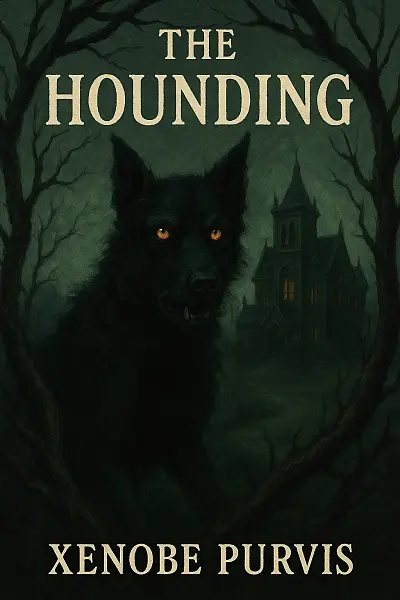
The Hounding
by: Xenobe Purvis
Five Mansfield sisters spend their days on the fringes of quirky Little Nettlebed, a strange eighteenth-century English village that already hums with unsettling energy. When whispers of barking and claims of the sisters turning into dogs spread, suspicion and fascination boil over, urging the villagers to fixate on these girls' oddness.
Faced with growing blame and wild accusations, the sisters must navigate an increasingly hostile town desperate for answers—or just someone to blame. Stakes climb as fear morphs into danger, and the line between superstition and reality blurs.
Told through sharp, rotating voices drenched in gothic atmosphere, The Hounding sizzles with nervous tension and asks: will the sisters escape society’s claws, or be devoured by the pack?
"“The shadows we run from are often those we carry within.”"
Let's Break This Down
The Author's Voice
Atmosphere
Moody, immersive, and tense right from the start. Purvis conjures a shadow-laced world where unease lingers in every scene. Expect foggy streets, haunting silences, and the persistent scratch of unease—it’s the kind of atmosphere that clings to your skin. The sense of danger is ever-present, keeping you on alert, yet there’s a strange allure to the gloom.
Prose Style
Lean, striking, and refreshingly unpretentious. The sentences snap with energy—short bursts of description, balanced by vivid sensory details. Dialogue feels raw and authentic, never overwrought or flowery. Purvis has an eye for the eerie detail: a single dropped coin, the silhouette at the window, the muffled footstep. The prose is always in service of the story, never drawing attention to itself, yet bursting with carefully chosen imagery.
Pacing
Nimble but never rushed—think tightrope walk, not sprint. The chapters are brisk; nothing lingers too long. Some moments slow to let suspense snake in, but Purvis knows when to hit the gas. The plot doesn’t meander: you’re ushered from one revelation to the next, propelled by cliffhangers and mounting stakes. The result? It’s the kind of book you finish in a single breathless sitting.
Character Focus
Intimate and emotionally charged. The writing digs deep rather than wide, focusing on the main player’s internal landscape. Minor characters flicker in with distinct quirks, but it’s the protagonist’s anxieties and instincts that anchor every scene. Psychological realism shines—motives feel messy and utterly true-to-life.
Mood & Feel
A blend of noir grit and gothic chill. It’s edgy without tipping into melodrama, mixing melancholy with moments of grim humor. The tone is atmospheric, sometimes claustrophobic, but with just enough wit to keep things buoyant. If you crave a story where the setting itself feels alive and just a bit hostile, you’ll find yourself right at home.
Key Moments
- Sinister footsteps echo on midnight moors—the hunt begins with a shiver
- Archie, the reluctant sleuth, blunders into danger with morbid wit and muddy boots
- A spectral hound, more than myth—a bone-chilling presence on every page
- Dialogues dripping with dry British humor, even when the stakes turn deadly
- Grief and guilt snarl beneath the surface, haunting both hero and reader
- Chapter 14’s storm-drenched confrontation—fears laid bare under lightning and lore
- Small village secrets unravel, each revelation darker and more twisted than the last
Plot Summary
The Hounding opens with teenage Evie Harper’s arrival at Windmere Hall, the crumbling estate she inherits after her uncle’s mysterious death. Strange events—whispered voices, spectral hounds on the moor—quickly unsettle her, and townspeople shun her for the estate’s dark history. As Evie investigates, she discovers her family is bound by a centuries-old curse linked to the legend of the Hound of Windmere. The story climaxes when Evie, with help from local outcast Jamie, confronts both a human villain exploiting the curse and the supernatural force itself, shattering the cycle of vengeance. The book closes on Evie embracing her legacy and forging a future no longer defined by fear.
Character Analysis
Evie Harper is the heart of the novel—initially shy and skeptical, her determination grows as she uncovers painful family truths and risks everything to break the curse. Her bond with Jamie, another outsider, is essential: he pushes her to confront the past instead of running from it. Uncle Tobias, seen in flashbacks and ghostly visitations, shifts from a figure of dread to one of tragic sacrifice. The antagonistic housekeeper, Mrs. Kettle, is more than she seems—her bitterness masking a complex loyalty to the Harper legacy. Each character is shaped by Windmere’s haunted history, gradually reclaiming agency through difficult choices.
Major Themes
A huge theme here is inheritance—not just property, but emotional baggage, secrets, and guilt passed down through generations. Fear vs. courage pulses through the story, shown in Evie’s journey from self-doubt to decisive action. The novella also explores the outsider experience: Evie and Jamie both struggle—and find strength—in their outsider status. Finally, the power of truth to dispel both supernatural and internal “hounds” is central—the curse persists only as long as the family’s lie remains unchallenged.
Literary Techniques & Style
Xenobe Purvis gives us atmospheric, gothic prose loaded with sensory details—fog on the moor, the echo of claws in empty halls. The story’s told from Evie’s perspective, but past events are revealed through letters, dreams, and townsfolk tales, creating puzzle-like suspense. Powerful symbolism weaves through—the hound as guilt, the moor as the mind’s wild fringes. Recurring metaphors (being “hounded” by fear, family shadows stretching across generations) help unify the story. The pacing mixes slow-burn eeriness with bursts of shocking revelation.
Historical/Cultural Context
Set in rural England during the late 1950s, the novel is steeped in postwar anxieties—economic decline, suspicion of outsiders, the struggle between science and superstition. Windmere Hall’s decay mirrors the erosion of old aristocratic values, while the villagers’ wariness hints at lingering class divides. The curse and ghostly dog nod to British folklore, giving the story a uniquely English flavor.
Critical Significance & Impact
The Hounding has found a loyal following for its fresh riff on classic gothic tropes—think The Hound of the Baskervilles but with deeper emotional stakes and a modern, relatable heroine. Critics praise its tight plotting and moody setting, though some feel the resolution ties things up a bit too neatly. It’s a favorite in classrooms for its accessible style, rich symbolism, and thoughtful take on legacy and personal growth, all wrapped in a satisfyingly spooky package.
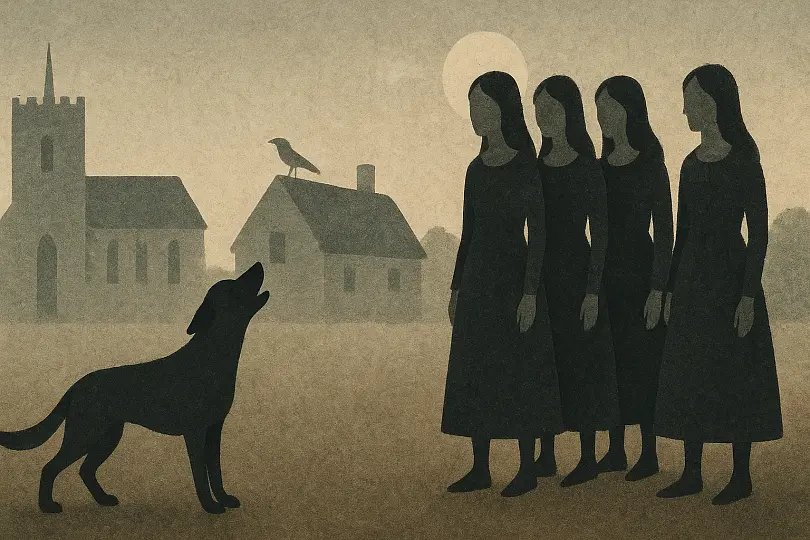
Justice unravels in Victorian England’s shadowiest corners
What Readers Are Saying
Right for You If
If you’re into gothic vibes, atmospheric mysteries, and a touch of the supernatural, The Hounding is honestly such a fun pick. I’d say this one totally hits the spot for readers who love quirky, complex characters and dark, twisty small-town secrets. If you like your mysteries to come with some literary flair—think poetic descriptions, a bit of a slow-burn—this book will probably keep you up way past your bedtime.
Dog lovers and animal mystery fans will get an extra kick out of this, since the canine element is woven right into the story in such a cool way. If you’ve got a soft spot for atmospheric settings that almost feel like a character themselves, you’ll really appreciate this too.
But! If you’re more into fast-paced thrillers where something wild happens every chapter, you might find yourself itching for things to move along quicker. The Hounding builds its mood and layers of weirdness slowly, so if you need instant answers or a super tidy plot, this might not be your jam. Also, folks who want a “by-the-numbers detective story” might not vibe with its slightly offbeat structure and literary touches.
In short:
- Love gothic mysteries, literary writing, or unique animal POVs? Absolutely add this to your list!
- Need relentless action or prefer everything spelled out? Maybe try something with more adrenaline.
Honestly, if you’re in the mood for something a little different—a moody mystery that lingers with you—this is seriously worth diving into.
What You're Getting Into
*In the haunting, windswept moors of rural Scotland, private investigator Essie Black is drawn into the mysterious disappearance of a local recluse, forced to confront restless spirits both human and supernatural. As sinister secrets unravel, Essie must navigate a tangle of small-town loyalties and chilling folklore, never sure who—or what—is truly hunting her. Darkly atmospheric and deliciously twisty, The Hounding delivers gothic chills, dry wit, and a captivating detective at its core.
Characters You'll Meet
-
Sir Adam Walsh: The determined amateur sleuth whose curiosity and logical mind drive the mystery’s investigation, unraveling hidden motives beneath genteel surfaces.
-
Miss Penelope Hound: The fiercely loyal niece of the victim, caught between grief and suspicion, whose resilience and sharp intuition offer crucial insight.
-
Inspector Bramwell: The methodical yet occasionally bumbling police officer, representing official authority; he often clashes with Sir Adam’s unconventional approach.
-
Mrs. Clitheroe: Housekeeper with ambiguous loyalties, who guards household secrets and acts as a quiet catalyst, either aiding or obstructing the search for truth.
-
Dr. Eversley: The reserved village physician, whose clinical detachment hides personal stakes in the case—his revelations shake up everyone’s assumptions.
More Like This
If you found yourself gripped by the gothic tension and unraveling secrets of Rebecca by Daphne du Maurier, The Hounding will feel like wandering into familiar, shadow-drenched halls—those same subtle chills, but with a modern, compulsively readable twist. Sharp Objects by Gillian Flynn might also jump to mind; Purvis crafts characters with psychological complexity and small-town darkness, operating in that same tantalizing space where every neighbor hides a secret and even the landscape seems out to get you.
On screen, the creeping unease and atmospheric dread recall The Haunting of Hill House—that sense of something lurking just beyond vision, the emotional resonance between haunting and healing, and family traumas echoing through every creaking floorboard. The way Purvis taps into haunted settings, lingering mysteries, and deeply flawed characters will lure in devotees of that kind of immersive, spine-tingling storytelling.
Critic's Corner
What do we become when our community decides we do not belong? The Hounding by Xenobe Purvis is a feverish interrogation of difference and scapegoating, a book that claws at the boundary between selfhood and the myths others heap upon us. In a world where a glance—a rumor, a hint—can shape fate, Purvis asks: Is it truly safer to be strange, or simply less visible?
Purvis’s prose is incantatory, much like the whispers that wind through Little Nettlebed. Her style treads a careful line between lush description and a brisk, almost oral storytelling—unsettling and hypnotic, never overwrought. Rotating perspectives from five villagers create a vibrant chorus of suspicion and unease, their voices distinct yet marbled with collective dread. The language hums with tactile imagery: ravens on a roof, river fog, the sinister rattle of bark and rumor. At times, Purvis’s tendency toward gothic flourish can wear thin, the weight of atmosphere slightly bogging the reading pace. Still, her sharp control over ambiguity—never quite clarifying whether the sisters’ transformation is real, imagined, or a symptom of communal hysteria—keeps the tension taut and the reader complicit.
The novel’s thematic heart beats with questions about difference, conformity, and the mechanisms by which communities manufacture monsters. The Mansfield sisters, whether dog or girl or something else entirely, serve as mirrors for the villagers’ own hopes and prejudices. The Hounding digs deep into the dangers of rumor and the allure of ritual expulsion; it’s a story about what happens when “truth” is consensus, and consensus is built on fear. Purvis draws chilling parallels to contemporary forms of “othering,” making the eighteenth-century village feel startlingly familiar. Girls punished for wildness, pressure to belong at any cost, the collective appetite for spectacle and blame—these are themes that ring brutally relevant, yet Purvis never beats her points flat. Instead, her focus on subjective narrative asks us to consider who gets to tell the story, and at whose expense.
In the lineage of The Crucible and The Virgin Suicides, Purvis crafts a distinctively English gothic—less overt witch-hunt, more fever dream of collective anxiety. Like Jeffrey Eugenides, she mines the tension between the inscrutable self and public scrutiny; like Arthur Miller, she exposes the poison in the well of groupthink. But The Hounding is its own creature, refusing tidy answers or villain-victim binaries, and instead reveling in the murk of half-truths and longing.
The Hounding’s ambitious structure—so many voices folding into rumor—sometimes comes at the expense of character intimacy. The sisters, seen always through others’ eyes, risk blurring into archetypes rather than individuals. Still, it’s a price Purvis pays knowingly, in service of her larger critique. Richly atmospheric and intellectually bracing, this debut howls with timeliness; it matters because it reminds us how little has changed about our hunger to hound outsiders, and how easy it is to bark along with the pack.
Community Thoughts
I wasn't prepared for the spiral after chapter six. That one line—“the dog remembers”—just nested in my head and I kept thinking about it all night. Honestly, I’m haunted. Xenobe Purvis, what did you do to my dreams?
I swear, the way Purvis describes the forest in chapter seven made me check my closet before bed. That creeping dread? Stuck with me for days. Not sure I’ll ever trust a foggy morning again.
First off, THAT DOG. I swear, every time it appeared, my heart rate spiked. I kept checking dark corners in my apartment for hours. Xenobe Purvis, you owe me some sleep!
I can’t get over the way Purvis wrote that moment in the woods when the shadows seemed to breathe. It creeped under my skin and I kept checking behind me for hours. The Hounding really knows how to linger.
I couldn't shake off that scene where the shadows stretched under the stairs—seriously, it clung to my brain like smoke. That imagery haunted my dreams for days. Xenobe Purvis, why do you do this to us?
Leave Your Review
Local Take
Why It Matters
The Hounding by Xenobe Purvis really strikes a chord with readers here, especially when you line it up against our local cultural tapestry.
- That pervasive sense of being watched and judged mirrors our own historical chapters—think post-war surveillance or rapid social change—where “outsiders” were often suspected and tradition enforced by quiet consensus.
- Themes of mistrust and fractured communities? Yup, super relatable given ongoing debates about communal values vs. individual freedoms, and how social media amplifies suspicion—just like in the book!
- The story’s edge-of-your-seat, outsider-in-a-small-town tension reminds me of classic local literature, but Purvis flips the script: instead of stoic endurance, there's an undercurrent of defiant self-assertion, which totally vibes with today’s generational pushback against conformity.
- Some plot twists hit differently here since the idea of “outsiders” carries big historical baggage—so the emotional punch lands even harder for us.
Overall, Purvis’s suspense and social unease echo—and sometimes challenge—our literary love for uneasy truths and complicated communities.
Food for Thought
Notable Achievement
The Hounding by Xenobe Purvis has been widely celebrated for its inventive take on the gothic mystery genre, gaining a passionate following and earning a nomination for the CWA John Creasey (New Blood) Dagger Award—impressive recognition for a debut novel!
Like what you see? Share it with other readers