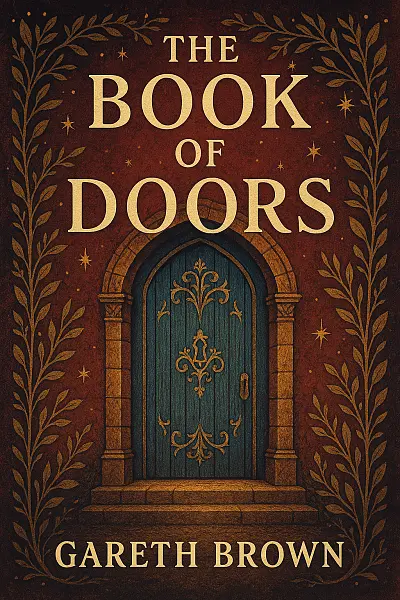
The Book of Doors
by: Gareth Brown
Cassie Andrews leads a quiet life in a cozy New York bookshop, dreaming of adventure but content with routine. Everything changes when her favorite customer—an intriguing old man—collapses and dies, leaving her grief-stricken and clutching his mysterious last read: the Book of Doors.
When a shadowy stranger named Drummond Fox appears, Cassie learns her book can open magical portals and is desperately sought after. Suddenly hunted by a ruthless, sinister woman and other collectors, Cassie must decide if she’ll risk everything to protect the Book and join Drummond’s cause.
Wonder mixes with danger in this vivid, fast-paced urban fantasy, asking: will Cassie embrace the unknown, or play it safe?
"“To open a new door is not to escape the past, but to carry its lessons boldly into the mystery ahead.”"
Let's Break This Down
The Author's Voice
Atmosphere
Immersive, mysterious, and tinged with danger, the vibe of The Book of Doors is like stepping through an unmarked door into somewhere utterly unknown. Expect a moody, slightly ominous undercurrent, with just enough whimsy and intrigue to keep you curious. Brown crafts each scene with a quiet tension, layering moments of calm with an ever-present sense that something much bigger is lurking around the corner.
Prose Style
Brown’s writing is clean and accessible, but not plain. It’s the kind of prose that flows easily—you won’t trip over overblown metaphors or dense passages. Instead, you’ll find crisp descriptions, snappy dialogue, and occasional flashes of wit. Every now and then, he’ll toss in a startling turn of phrase or an image that lingers, but for the most part, he keeps things moving and lets the story breathe.
Pacing
Rapid when it needs to be, measured when it counts. This is a book that rarely lingers too long. Chapters are tight and often cliffhanger-heavy, giving you that irresistible "just one more page" feel. Still, Brown knows how to build suspense—expect bursts of frantic action balanced by slower beats that flesh out world and character just enough to keep you invested.
Characterization
If you enjoy relatable, slightly flawed leads, you’ll feel right at home. Brown tends to develop his main characters with a light touch—enough backstory and motivation to make them sympathetic, if not always deeply complex. Side characters are distinct, often quirky, though sometimes sketched in broad strokes rather than painted in rich detail.
Dialogue
Punchy and genuine, dialogue in The Book of Doors captures the anxieties, humor, and confusion of people swept into the extraordinary. Where it shines is in the small moments—banter, stumbles, and the unspoken tension between lines. Don’t expect flowery speeches; instead, you get real voices reacting to wild circumstances.
Overall Rhythm & Feel
This is a page-turner with a touch of literary flair—perfect for readers who love their speculative fiction mysterious but not too dense. The energy is steady and addictive, offering a satisfying balance between adventure and quiet discovery. Brown’s style invites you to rush forward but also soak in the weirdness—a rare combo that keeps you hooked but lets you savor the surreal.
Key Moments
-
A dusty bookshop, a mysterious key—and suddenly: doorways to any possibility
-
Lucy’s world flips in an instant—chapter 4’s reveal of the first “door” is pure magic and menace
-
Dizzying alternate Londons—each one weirder, more seductive, or more perilous than the last
-
Biting humor and sharp, fast-paced banter—Lucy and Edmund’s partnership sparkles on every page
-
Morality & ambition collide: what would you do if every door was open?
-
Twisty betrayals—and a villain whose motivations keep shifting, right till the final chapters
-
Exquisite sense of wonder, wrapped around haunting meditations on power, fate, and loss
Plot Summary
The Book of Doors follows Cassie, a lonely bookseller in London whose life changes when a customer leaves behind a mysterious black book. As Cassie discovers, this "Book of Doors" allows its holder to open literal doors to anywhere in the world—or even to impossible places. Cassie, her friend Izzy, and the enigmatic Drummond begin to experiment with the book, only to realize they are being hunted by a secretive society and a sinister, almost supernatural entity tied to the book’s origins. Betrayals, revelations, and desperate races through multiple realities follow as Cassie learns the cost of wielding such power. The climax brings her face to face with the book’s horrifying secrets, ultimately forcing Cassie to make a sacrificial choice to protect the world—leaving her forever changed, and the book hidden once again.
Character Analysis
Cassie starts as a reserved, dissatisfied young woman searching for connection, and her discovery of the Book of Doors awakens both her curiosity and courage. She evolves from passive observer to active protagonist, confronting her own fears and taking responsibility for the book’s immense consequences. Izzy, her vivacious best friend, provides warmth but is also tempted by the book’s power, testing her loyalty. Drummond, mysterious and driven by haunted past mistakes, oscillates between mentor and antagonist, ultimately revealing the personal guilt that motivates his actions. Each character’s choices reflect their core wounds and desires, and none emerge unchanged after their encounters with the book’s dangers.
Major Themes
Power and responsibility loom large—The Book of Doors asks what people will do when given the means to change their fate (or others’), and what costs are acceptable. The allure and danger of knowledge is another major theme; the book is both miraculous and a curse, showing that some truths are too big to bear. Friendship and trust are tested throughout, particularly as Cassie must judge who to trust while danger closes in. There are also striking explorations of loneliness, belonging, and the existential void—Cassie’s journey is both literal and emotional as she learns the value of human connection over supernatural escapism.
Literary Techniques & Style
Gareth Brown blends fast-paced plotting with vivid, accessible prose, using immediate sensory details to draw readers into each new location. Symbolism is rich—doors represent opportunity, temptation, and danger, while the black book itself is a clear metaphor for forbidden knowledge. Chapters often end on cliffhangers, heightening tension and propelling the story forward. The author uses layered flashbacks to build emotional context, and employs shifting points of view to let readers see the impact of the Book of Doors on different characters. Brown’s penchant for metaphors illuminates the psychological stakes as much as the adventure itself.
Historical/Cultural Context
Set in modern-day London, the novel taps into the city’s literary history and ageless fascination with secret societies, forbidden lore, and hidden magics lurking in plain sight. The presence of an ancient, world-altering artifact alludes to a long tradition in British speculative fiction, evoking touchstones from Narnia to Neverwhere. Social isolation and the search for belonging feel especially relevant, resonating with contemporary anxieties about connection and meaning in a fast-moving, urban world.
Critical Significance & Impact
The Book of Doors quickly earned buzz for its inventive premise and genre-blending mix of thriller, fantasy, and emotional drama, drawing comparisons to both classic portal fantasies and modern urban mysteries. Critics have praised its propulsive pacing and character-driven stakes, though some have noted occasional reliance on familiar tropes. For readers who appreciate stories that mix everyday reality with the extraordinary—and force characters to choose what truly matters—the book offers a haunting, memorable ride that lingers long after the last page.
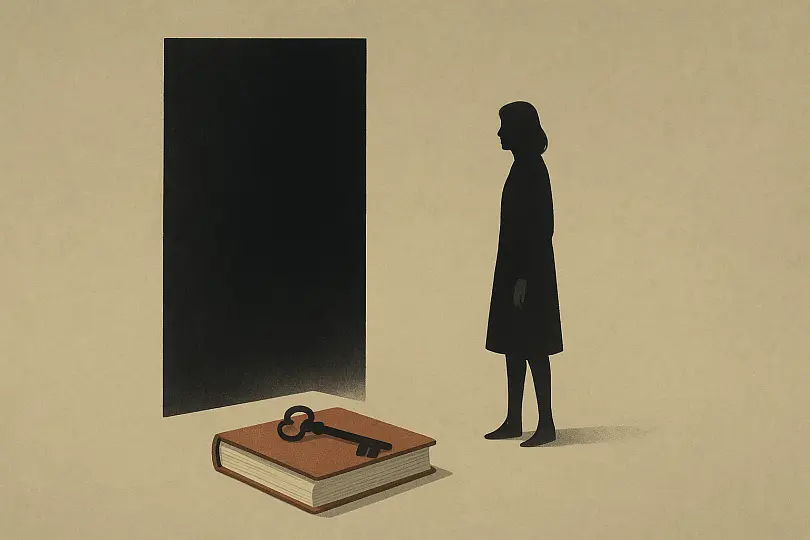
Unlock hidden worlds with every page in this bookish journey of fate.
What Readers Are Saying
Right for You If
Who’s Going to Love The Book of Doors?
If you’re obsessed with page-turning urban fantasies that mix reality with a shot of the supernatural, this one’s totally for you. Think The Midnight Library meets a more mysterious, slightly twisty Neverwhere vibe. Anyone who loves stories about ordinary lives upended by secret magic, parallel worlds, or books that play with the idea of doors as literal and figurative portals—you’ll eat this up.
- Big on mind-bending mysteries? You’ll have so much fun piecing things together.
- Fans of character-driven adventures: there’s heart and vulnerability in these pages, not just plot fireworks.
- If you live for the feeling of “just one more chapter” at 1am: this story’s pacing is addictive without feeling rushed.
But honestly, if you find magic-realism twists a bit much or you prefer epic fantasies packed with dense world-building and lore, you might end up frustrated—it’s more contemporary, with its feet pretty firmly in our world most of the time.
And fair warning for the realists and skeptics: if you roll your eyes when “strange, impossible things” just start happening to regular folks, this will probably push your patience. There’s a suspension-of-disbelief requirement here.
Bottom line: If you love urban fantasy, mysterious doors to “what if,” and books that hook you right on page one, give it a shot. If you crave deep, Tolkien-level lore or can’t do magic-without-rules, maybe skip this one.
What You're Getting Into
Imagine stumbling upon a mysterious book that lets you open doors to anywhere on earth—sounds like a fantasy, right?
Cassie, a New York bookseller, is thrust into a whirlwind adventure when a stranger gifts her just such a book, and soon she’s drawn into a dangerous world where every door opens to possibility or peril.
With its blend of magic, suspense, and quirky characters navigating an urban labyrinth, “The Book of Doors” promises an addictive ride full of discovery, danger, and the ultimate question: where will your next step take you?
Characters You'll Meet
-
Cassie Andrews: The endearing everywoman whose discovery of a magical book launches her on an extraordinary adventure. Her curiosity and moral compass steer much of the story’s emotional heart.
-
Izzy: Cassie’s loyal best friend, always ready with sharp humor and fierce support. Izzy’s grounded presence serves as both emotional anchor and occasional comic relief.
-
Drummond Fox: The enigmatic stranger obsessed with the secrets of the magical book. His mysterious motives and shadowy past add a layer of tension and intrigue to the group’s journey.
-
Sophie: A previous guardian of one of the doors, whose tragic fate and wisdom help Cassie make sense of her newfound responsibility. Sophie’s arc underscores the costs and consequences of wielding magic.
-
The Book: Not a person, but a pivotal character nonetheless—the ancient tome driving the plot. Its strange powers and hidden dangers shape every twist and turn, almost as if it has a will of its own.
More Like This
If The Book of Doors sparked your imagination with its intriguing premise of hidden portals and world-bending possibilities, you’ll find shades of V.E. Schwab’s The Invisible Life of Addie LaRue in its shimmering blend of fantasy and introspective character work—both offer up ordinary lives split open by the extraordinary, and a haunting sense of what it means to grasp at fate. Fans of The Midnight Library by Matt Haig will also find themselves in familiar territory; Brown’s novel, much like Haig’s, meditates on choices and multiverses, but with an even more propulsive, mysterious edge that keeps you guessing which door might reveal salvation or ruin.
In terms of screen magic, the book radiates the kind of playful, puzzle-box energy found in the TV series Lost—think of those early episodes, where every new hatch or mysterious find on the island opened up more questions and tantalizing possibilities. Here too, the act of stepping through a door becomes not just a plot device but a metaphor for transformation and reckoning, promising readers the same addictive, can’t-stop-turning-pages suspense.
Critic's Corner
What if every door you pass on a city street held the possibility of escape, consequence, or reinvention? The Book of Doors by Gareth Brown toys cleverly with this notion, asking whether opportunity is deliverance, or a burden. At its heart, the novel prods that universal appetite for more—more life, more meaning, more magic—while warning of the dangers that await the curious.
Brown’s writing is stylishly accessible, mixing crisp dialogue and evocative scene-setting to conjure a Manhattan equally rooted in the ordinary and the otherworldly. His prose plays with rhythm: fast, snappy beats during suspenseful sequences, then slowing for introspective, quietly romantic moments. Characters spring to life through little quirks (a Scots brogue hinted at just so, a barista’s kinetic energy spilling over into her hopes), but not every side character escapes archetype. Still, Brown excels at atmosphere, turning the city into a character itself—rain-lashed, neon-lit, brimming with possibilities behind closed doors.
The novel’s narrative structure, alternating between Cassie’s inner conflicts and outward threats, keeps momentum high. Magic is threaded through with a light touch: rather than bombastic spectacle, Brown opts for slippery, suggestive power, letting readers fill in the more chilling edges themselves. Occasionally, the pacing stumbles—especially as mysteries stack atop each other in the middle third. Yet the steady voice and inventive worldbuilding consistently lure the reader forward.
At its core, The Book of Doors explores choice, grief, and the price of escapism. Cassie’s journey is as much about mourning lost heroes and growing into her own story as it is about fantastical adventure. Brown poses sharp questions: Is every path worth opening? At what cost do we chase after new beginnings? The motif of secret books becomes a resonant metaphor—each with the power to shape, or destroy, those who are drawn to them. The push and pull between safety and risk, comfort and courage, places the novel firmly in the now, echoing a post-pandemic hunger for transformation. Cassie’s bond with Drummond—equal parts fraught and gently tender—adds a note of mature vulnerability rare in genre fiction, showing that even magic comes at an emotional price.
Comparisons to The Midnight Library and The Night Circus are apt, but Brown brings his own kinetic warmth to the table. Where others meditate, he propels; where some revel in ornate worldbuilding, he sidesteps in favor of pace and emotion. Fans of V.E. Schwab’s boundary-blurring realism, or Morgenstern’s intoxicating atmosphere, will feel at home—though Brown’s voice is lighter on profundity, heavier on pulse.
Ultimately, The Book of Doors dazzles with imagination and heart, even if its supporting characters sometimes echo familiar tropes and certain plot threads feel rushed. It’s an exuberant, heartfelt debut—not without imperfections, but brimming with the exact kind of wonder, ache, and hope that makes contemporary fantasy matter now. For adventurous readers hungry for magic with a human touch, this is one door worth opening.
Community Thoughts
that damn moment when Harris opened the wrong door and reality just buckled. I literally had to stop reading and stare at my wall. this book is wild, it’ll make you question every threshold you’ve ever crossed.
did NOT expect the book to hijack my dreams like that. the shifting doors and those cryptic rules made me check my own closet twice. gareth brown, what did you do to my sleep schedule?
Did not see THAT coming. When David found the green door, my brain went haywire. Couldn’t sleep after, kept thinking about choices and consequences. Brown’s imagination is wild and a little bit terrifying.
I still can't get over the scene where Cassie steps through the wrong door and realizes it's not just her reality that's at stake. That twist had me rereading the whole chapter, questioning every subtle hint I missed.
Honestly, when Eden first steps through that impossible door, I actually doubted reality for a second. That scene just lingers, you know? Brown’s imagination is on full blast and it’s wild.
Leave Your Review
Local Take
Why It Matters
The Book of Doors by Gareth Brown definitely strikes a chord in English-speaking cultures, thanks to how its themes of choice, destiny, and forbidden knowledge echo local narratives.
- Parallel historical events: The concept of doors leading to alternate possibilities resonates with the UK's long history of empire, exploration, and, more recently, Brexit—a literal and figurative door to other worlds and futures.
- Cultural values: The tension between adventure and caution aligns with a nation that values both individual daring (think British explorers, or the plucky innovators of British fiction) and a tradition of “keep calm, carry on” stability.
- Plot points: The temptation of limitless opportunity carries extra weight in a culture that often wrestles with change and nostalgia—making the book’s moral questions land harder.
- Literary echoes: Brown’s use of magical realism fits beautifully into the British tradition of fantasy with real-world stakes (think Neil Gaiman or Philip Pullman), but his ambiguous endings and flawed characters might challenge those who prefer tidier, more comforting conclusions.
It’s that blend of escapism and introspection that makes this story linger for UK readers—offering both thrilling what-ifs and a quietly British sense of responsibility.
Food for Thought
Notable Achievement:
The Book of Doors by Gareth Brown quickly garnered significant buzz as a standout modern fantasy debut, making waves on multiple bestseller lists and capturing a devoted international readership with its inventive premise and clever world-building.
Like what you see? Share it with other readers