
L.A. Women
by: Ella Berman
Lane Warren, a once-celebrated writer in 1960s Los Angeles, finds herself struggling for relevance as the literary scene buzzes around her. Everything shifts when Lane lands a new book deal—only it’s based on the mysterious, thrilling life of her dazzling friend-turned-rival, Gala Margolis, who has recently vanished without a trace.
With Gala missing and their tangled past unresolved, Lane faces the pressure to tell a story she may not have the right to claim. The heart of the conflict beats in Lane’s desire for success battling her buried envy and guilt, putting her own integrity and Gala’s legacy at risk.
Berman’s writing captures the electric, fraught world of women’s ambition, fame, and betrayal with wry humor and tension. Will Lane cross the line for her big comeback—or finally find her true voice?
"Sometimes surviving the story they write for you becomes braver than telling your own."
Let's Break This Down
The Author's Voice
Atmosphere
- Expect a smoky, sun-drenched L.A. mood that’s moody but with an undercurrent of hope
- Berman paints the city with cinematic detail—think hazy mornings, sprawling boulevards, and a kind of restless glamour
- There’s this almost tangible sense of nostalgia and longing, winding through every scene
- The overall vibe is both intimate and sharp-edged—you’re drawn into intensely private moments against the ever-moving city backdrop
Prose Style
- The writing lands somewhere between cool detachment and piercing vulnerability, with bursts of lyrical description offset by crisp, conversational dialogue
- Berman’s sentences are clean and evocative—she doesn’t overdo it with flourishes, but when she goes deep, it hits
- Expect short, punchy exchanges next to stretches of reflective inner monologue, all with a sly, observant tone
- She nails that tricky balance between scene-setting and character psychology, folding in meaning without ever feeling forced
Pacing
- Leisurely but not sluggish—the story takes its time building connections and tension, letting you marinate in the characters’ emotional lives
- The plot’s rhythm is more wave than sprint: slow-burning development, then sudden bursts of drama or revelation
- It’s the kind of narrative that gives you room to breathe and reflect, but keeps you hooked with well-placed twists and emotional stakes
- There’s an ebb and flow to each chapter—if you like character-driven stories that don’t rush, this style will pull you in
Character Focus
- Everything centers on the characters’ interior worlds—messy, complicated, and achingly real
- Dialogue feels organic and authentic, full of subtext—everyone’s hiding something, and it’s fun watching the layers peel back
- You’ll find both biting humor and unbearable tenderness mixed together in the way these people relate
Overall Mood & Energy
- L.A. Women has that bittersweet, magnetic pull—it’s reflective, raw, and subtly shattering in all the right places
- Don’t expect high-octane action, but count on emotional intensity and a sense that the city’s energy is pulsing through every page
- Ideal for readers who crave atmosphere and emotional resonance as much as plot—it’s immersive, thoughtful, and just a little bit dangerous
Key Moments
- Gleaming poolside secrets unravel under the LA sun
- Unforgettable: Zoe’s late-night confession shifts every friendship’s fault line
- Ella Berman’s cinematic prose glitters with sharp, observational humor
- Instagram-perfect lives mask raw loneliness and longing
- Standout: The devastating birthday dinner—friendship, betrayal, and truth collide
- Cass, the quietly magnetic outsider, draws out everyone’s hidden wounds
- Sudden flashback: an unfinished love letter changes how you view the whole crew
Plot Summary
L.A. Women by Ella Berman is a whip-smart, twisty novel set in mid-1970s Los Angeles, following the intersecting lives of three women circling the orbit of fading rock legend Rick Heart. The story kicks off when Jamie, a backup singer desperate for her own spotlight, finds herself entangled in Rick’s chaotic world alongside his ambitious photographer wife, Cleo. When newcomer Alice arrives from England, secrets about Rick’s past and present begin bubbling to the surface. As the novel unfolds, betrayals unravel the group’s fragile loyalties—Cleo faces the harsh realities behind her marriage, Jamie confronts her ambition’s cost, and Alice’s presence catalyzes a devastating exposure. By the explosive finale, relationships collapse and hard truths come to light, leaving each woman forever changed and Rick’s legend tarnished for good.
Character Analysis
- Jamie is fierce, talented, and recklessly determined. Her journey is one of craving validation, but as she claws for agency in a male-dominated music scene, she confronts the reality of being used as much as using others.
- Cleo begins as the archetypal loyal, self-effacing wife, clinging to the myth of her marriage. But as Rick’s facade cracks and Alice’s revelations spill, Cleo finds the courage to strip away denial and reclaim her independence.
- Alice, the outsider, is sharp, observant, and ultimately the catalyst—her perspective unveils the hypocrisy around Rick and his entourage. She morphs from naïve admirer to bold truth-teller, pushing the other women to break free.
Major Themes
- Female Ambition vs. Exploitation pulses at the novel's heart, with each woman wrestling her own desires and confronting an industry eager to take advantage of them.
- The Illusion of Fame is unmasked—Berman exposes how legends, like Rick, are sustained by lies, cover-ups, and collateral damage.
- Solidarity Versus Rivalry weaves throughout; moments where the women unite are electric, but old wounds and betrayals often pit them against each other.
- Truth and Reinvention—the narrative is packed with characters creating or escaping their own stories, until events force reckoning and reinvention, often at painful cost.
Literary Techniques & Style
Berman’s prose is vivid, cinematic, and swift—she uses multiple perspectives, letting us see LA’s glitz and grime through each woman’s lens. The structure leaps between past and present, enhancing suspense and gradually peeling back the well-guarded secrets. Symbolism runs strong: mirrors and photographs pop up to highlight themes of performance, image, and hidden realities. The dialogue crackles with authenticity, and music references ground the story firmly in its rock-n-roll setting, making each detail feel immersive.
Historical/Cultural Context
Set against the sun-soaked, gritty backdrop of 1970s LA, the novel captures the decadent post-Summer of Love era when the music industry’s golden age was beginning to show its darker sides. Issues like sexism in entertainment, shifting gender roles, and the rise of celebrity culture all shape the narrative. It’s a time of great creative energy—but also profound exploitation for those, especially women, hungry for a share of the spotlight.
Critical Significance & Impact
L.A. Women has grabbed attention for its honest, nuanced portrayal of women’s experiences in a mythologized male world. Readers and critics have praised its character-driven storytelling and smart dissection of fame’s pitfalls. While the story pays homage to the 1970s, its themes of ambition, complicity, and reinvention still resonate loudly—making it a standout contemporary take on classic rock-era fiction.
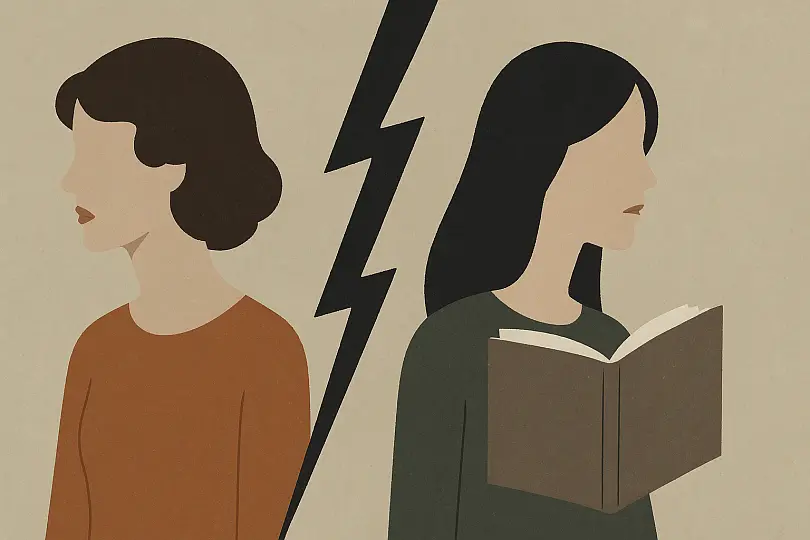
Secrets shimmer beneath Hollywood's glamour in a haunting tale of loyalty.
What Readers Are Saying
Right for You If
If you love character-driven stories with messy relationships, complicated friendships, and a peek behind the glitzy L.A. scene, L.A. Women will be totally your vibe. Seriously, if you’re drawn to books about fame, secrets, and figuring out who you are (even when it’s really hard), this one’s for you. Fans of Taylor Jenkins Reid, Daisy Jones & the Six, or even Babylon the movie are going to eat this up.
This book really shines for readers who enjoy:
- Slow-burn drama instead of high-octane action
- Honest looks at female friendships—especially the not-so-picture-perfect kind
- Stories about the underbelly of celebrity and the real costs of making it big
- Exploring how your past shapes your present
But real talk—if you need a super-fast plot, or you like your stories tied up with a bow and easy answers, you might wanna skip this one. L.A. Women is all about the gray areas and the messy parts of life, so it’s perfect if you enjoy a little ambiguity and emotional depth. If you’re more into tightly plotted thrillers or wholeheartedly upbeat reads, this probably won’t hit the spot.
Bottom line:
If you crave complex characters and a little glitz mixed with grit, put this at the top of your list. If you’d rather avoid messy emotions and ambiguous endings, maybe pass for now.
What You're Getting Into
Set in glitzy, 1990s Los Angeles, L.A. Women follows the intersecting lives of three ambitious women who are drawn together by secrets, ambition, and the dark side of Hollywood glamour.
As their worlds collide in the relentless pursuit of success, love, and identity, each must navigate betrayals and illusions in a city where nothing is as it seems.
Atmospheric, sharply observed, and full of irresistible tension, this novel plunges you into a world of glossy veneers and messy truths, making you question just how far anyone will go to protect themselves—and each other.
Characters You'll Meet
-
Zoe: Determined and haunted protagonist seeking answers about her friend's mysterious death. Her internal struggles and pursuit of truth drive much of the story's suspense.
-
Fiona: Zoe’s complicated best friend whose tragic fate sets the novel’s events in motion. Her enigmatic past and secrets are gradually revealed, shaping the emotional core of the book.
-
Sabrina: Tightly-wound publicist overseeing Zoe and Fiona’s professional lives. Acts as both a gatekeeper to their Hollywood dreams and an obstacle to their personal growth.
-
Oscar: Rising director entangled in both Zoe and Fiona’s careers and personal lives. His ambitions—and potential secrets—add tension and murkiness to the unfolding drama.
-
Maya: Supportive yet conflicted roommate to Zoe, offering moments of levity and grounding, while also facing her own battles with loyalty and ambition.
More Like This
Fans of Taylor Jenkins Reid’s dazzling Daisy Jones & The Six will find themselves equally captivated by L.A. Women—there’s that same electric blend of creative ambition, fierce vulnerability, and the intoxicating lure of fame, but spun with Berman’s distinctly sharp L.A. edge. The twisty, emotionally fraught friendships in this novel might also remind you of Sally Rooney’s Normal People—all the miscommunications, longing, and painful self-reckoning, except under the California sun and amid the shifting sands of Hollywood.
If you’re a TV lover, there’s more than a whiff of Big Little Lies here: the glamorous settings conceal raw secrets, the narrative pulses with female-driven mystery, and the lines between loyalty and betrayal blur with every page. Lovers of stories that unravel complex relationships in beautiful but troubled places will find L.A. Women utterly magnetic.
Critic's Corner
What happens to a friendship when it’s cut and sculpted into art? L.A. Women by Ella Berman invites us to question where life stops and literature starts, probing how dangerously thin that boundary can be—especially for women clawing at the edge of creative greatness in a city built on reinvention and illusion. It’s a searing look at artistic rivalry, longing, betrayal, and the price of turning someone real into a character forever out of reach.
Berman’s writing is sharp—never self-indulgent—and pulsing with a nostalgic ache for a vanished Los Angeles. Her prose shimmers with atmospheric detail but is precise enough that the city never overshadows the women who stalk its shadowy boulevards. The dual timeline structure is handled deftly, each era illuminating new angles of Lane and Gala’s fractious intimacy. Voice is a standout: Lane narrates with a blend of bitterness and yearning, her internal monologue both biting and feverishly vulnerable, while Gala's presence is constructed through memories—ethereal, almost mythic. Dialogue serves as quiet battleground, loaded with all the meanings unsaid. Berman avoids melodrama with restraint, even as the stakes escalate. If there’s a fault, it’s that the pacing sometimes lingers too long in Lane’s head, occasionally sacrificing forward momentum for introspection. Still, the language manages to make the ache of waiting and wanting feel momentous—proof of Berman’s command.
At its core, L.A. Women isn’t just about individual ambition; it’s a meditation on the collision of art and ethics, talent and exploitative hunger. Berman explores how women, hemmed in by both 1960s gendered expectation and the rigid hierarchies of Hollywood’s literary elite, weaponize creativity to survive—and destroy. Identity here is slippery: friendships, rivalries, and selves morph under the pressure of success and scrutiny. The novel’s shrewd understanding of envy—particularly the female varieties of competition and hero worship—feels blisteringly honest. There’s a discomfort in watching Lane mine Gala’s life, blurring homage with theft, suggesting that every act of artistic creation exacts a personal cost. The fact that Gala disappears feels almost like the ultimate rebellion—a refusal to be narrated, interpreted, or contained.
Berman’s approach echoes the likes of Megan Abbott, Dodie Bellamy, and Claire Messud—novelists who dissect the perils of female ambition and literary mythmaking. Yet, where Berman sets herself apart is in the LA setting: the sensibility of the city, with its golden promise and rot, acts as a living character. There are nods to classic Hollywood narratives, but this is filtered through a modern, feminist lens. Readers of Before We Were Innocent will recognize Berman’s fascination with memory and moral unraveling, now applied on an even grander, riskier stage.
Where L.A. Women soars is in its voice and psychological nuance; its major misstep lies in some repetitive interiority that slows the reveal. Still, this is a sharp, unsettling read—perfect for anyone obsessed with the unsolvable riddle of what we owe our muses and ourselves. Berman cements herself as a daring chronicler of female ambition and literary transgression.
Community Thoughts
that pool scene? it’s stuck in my head like chlorine in my hair. the way the water turned, the way the lies floated up—ella berman absolutely nailed that moment when everything snapped. can’t shake it.
That scene at the Chateau Marmont with Zoë by the pool just wrecked me. The sunlight, the secrets, the way she refused to look away. I still think about her when I pass old hotels. Berman gets under your skin with moments like that.
I’m still thinking about Zoe’s silence at the pool. That single scene has been living rent-free in my head, making me question every friendship I’ve ever had. Berman knows exactly how to haunt a reader.
okay but WHY did I stay up until 3am thinking about Zoe’s choices? I literally had meetings the next day but this book hijacked my brain, couldn't look away even when I wanted to.
that ending? absolutely ruined my plans to sleep. i kept thinking about Zoe's choices, the way nothing was simple for her. thanks a lot, Ella Berman, now i’m wide awake rethinking everything.
Leave Your Review
Local Take
Why It Matters
L.A. Women by Ella Berman connects powerfully with readers in the US, especially those attuned to recent reckonings in Hollywood.
-
Parallel events? The book’s exploration of sexual misconduct and the behind-the-scenes realities of the entertainment world evokes the #MeToo movement, which originated in the US and sent ripples through American culture. Seeing the struggles and silences of women in Berman’s book feels chillingly familiar.
-
Cultural values: American ideals of individual freedom and speaking truth to power absolutely resonate—but there’s also a national discomfort with acknowledging how deeply systems protect abusers. Berman’s story holds up a mirror, aligning with growing calls for transparency while clashing with lingering taboos around airing “dirty laundry.”
-
Plot impact: For American readers, plot twists around loyalty, betrayal, and public image cut deep, reflecting a society obsessed with reputation yet increasingly hungry for accountability.
-
Literary echoes: The book riffs on the realist tradition of Joan Didion or Bret Easton Ellis, but with a more intimate, confessional tone that challenges the reserved coolness of those voices.
Overall, it channels both a uniquely American anxiety and hope for change—making certain moments of revelation and reckoning land here with particular force.
Food for Thought
Notable Achievement:
L.A. Women by Ella Berman has quickly become a standout among contemporary literary fiction, earning acclaim for its nuanced portrayal of female friendship and the complexities of Hollywood life. The book’s compelling exploration of #MeToo themes has sparked vibrant conversations, drawing in a wide readership and cementing Berman as a rising voice in modern fiction.
Like what you see? Share it with other readers