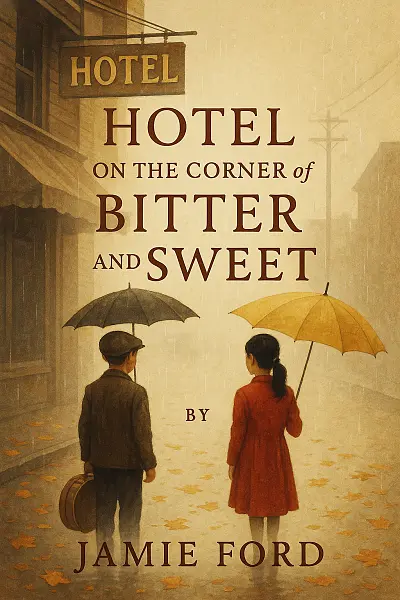
Hotel on the Corner of Bitter and Sweet
by: Jamie Ford
Henry Lee, a reserved Chinese American widower in 1986 Seattle, watches as the long-shuttered Panama Hotel reveals trunks left by Japanese families during WWII. When a Japanese parasol resurfaces, memories of Keiko Okabe—a spirited Japanese American girl who once gave Henry hope and connection—come rushing back.
Caught between family duty and forbidden first love, Henry’s world shattered when Keiko was suddenly sent to an internment camp. Now, on a bittersweet hunt for her lost keepsakes, he faces the ache of their separation and all the what-ifs that linger between past and present.
Lyrical yet deeply moving, the novel pulses with longing, nostalgia, and gentle hope, winding Henry's quest around that irresistible "will they or won’t they" tension.
"Sometimes the heart remembers what history tries to forget, and in the quiet spaces between, forgiveness quietly blooms."
Let's Break This Down
The Author's Voice
Atmosphere
Gentle, nostalgic, and bittersweet. The novel wraps you in the rain-soaked, sepia-toned world of 1940s Seattle and the echoes of its Chinatown and Japantown, painting every scene with a kind of quiet melancholy. The setting feels lived-in; you’ll almost smell the oolong tea and hear the faint jazz drifting from a hidden corner. There’s an undercurrent of sadness, but hope pulses through—think comfort on a drizzly day, with moments of heartbreak and resilience flickering just beneath the surface.
Prose Style
Simple, evocative, and quietly lyrical. Jamie Ford’s sentences avoid flashy embellishment; instead, he leans into clarity and emotion, letting small details do the heavy lifting. The prose has that understated beauty—never showy, but perceptive and warm, with a knack for making everyday moments feel poignant. Dialogue reads natural and restrained, shaped by what characters leave unsaid. If you love prose that tugs at nostalgia and speaks with emotional restraint, you’ll sink right in.
Pacing
Measured, reflective, and unhurried. The story unfolds over dual timelines, moving back and forth between the 1940s and 1980s. There’s a gentle rhythm, never rushing scenes or revelations—sometimes you might wish for a nudge forward, but the pace allows for heartfelt character moments and lingering in emotion. If you crave fast, plot-driven twists, this might feel slow, but for introspective readers, the pacing gives space to savor.
Character Focus
Deeply empathetic and relationship-driven. Characters are quietly drawn, with all their vulnerabilities and small acts of courage. The heart of the book is in the interactions—between father and son, between friends and lovers—with Ford digging carefully into themes of loyalty, loss, and forgiveness. What stands out isn’t dramatic transformation, but the accumulation of subtle, believable growth and the ache of what’s left unspoken.
Mood and Tone
Bittersweet and tender, with a touch of hope. There’s a strong sense of yearning that shapes the narrative, but it never tips into melodrama. You’ll feel the weight of history and personal regret, but there’s warmth from the bonds these characters cling to. The storytelling style is like an old photograph—faded around the edges, beautiful for both what it shows and what it keeps hidden.
Overall Rhythm
Quietly immersive, nostalgic, and emotionally resonant. You can expect a gently flowing story that slowly seeps under your skin, less interested in shocking you than making you feel the pull of memory and the complexity of love across generations. Perfect for anyone who loves literary fiction that invites reflection and rewards patience with genuine emotional payoff.
Key Moments
- Seattle’s Panama Hotel unlocked—relics and memories spill out, blurring past and present
- Tender, forbidden notes passed between Henry and Keiko beneath the shadow of internment
- Bittersweet jazz clubs, clandestine escapes, and hope flickering in 1940s Chinatown
- The lunchroom “I Am Chinese” button—identity, loyalty, and heartbreak in a single moment
- Father-son silences that ache louder than any argument
- Flashbacks ripple seamlessly, weaving nostalgia and regret through every chapter
- A love letter to lost dreams—quietly devastating, filled with second chances
Plot Summary
Hotel on the Corner of Bitter and Sweet follows Henry Lee, a Chinese American boy growing up in Seattle during World War II and later as an adult in the 1980s. The story shifts between these two periods as Henry recalls his friendship and budding romance with Keiko Okabe, a Japanese American girl, during the time of Japanese internment. When Keiko and her family are forcibly relocated, Henry promises to stay in touch, but their separation is deepened by the disapproval of Henry's strict, traditional father and fate intervening. Decades later, the discovery of Japanese belongings in the basement of the Panama Hotel prompts Henry to revisit his past, leading to a bittersweet resolution where he reconnects with Keiko and gains closure about his lost love and the prejudices they faced. The novel ends with Henry letting go of lingering regrets and forging a better relationship with his own son.
Character Analysis
Henry Lee emerges as a reserved, loyal, and quietly courageous protagonist, torn between filial duty and his conscience. His youthful innocence gives way to a sense of agency as he navigates the painful realities of prejudice and familial expectations, ultimately learning to reconcile his past and present. Keiko Okabe is resilient and optimistic, serving as both a confidante and mirror to Henry's struggles—her forced internment becomes a lens for exploring loss and hope. Other notable characters, like Henry's stern father and Sheldon the jazz saxophonist, enrich the narrative, representing generational conflicts and the enduring power of friendship across racial lines.
Major Themes
At its core, the novel explores identity and loyalty, particularly how they are shaped by both cultural heritage and personal relationships; Henry’s internal tug-of-war between family (his father’s deep anti-Japanese sentiment) and friendship (his bond with Keiko) drives much of the plot. Prejudice and injustice are ever-present, illustrated by the wartime hysteria that leads to the Japanese internment and further divides communities. Memory and the process of healing and forgiveness are integral as Henry seeks closure decades later, highlighting the lasting impacts of racism and lost opportunity but also the redemptive potential of confronting the past.
Literary Techniques & Style
Jamie Ford crafts the novel using a dual-timeline structure, weaving together Henry's coming-of-age in the 1940s and his reflective adulthood in the 1980s, which creates suspense and emotional layering as the past slowly informs the present. His style is accessible, with evocative descriptions that gently build atmosphere without overwhelming the narrative. Symbolism abounds: the Panama Hotel itself stands as a monument to memories lost and reclaimed, while jazz and music thread throughout the book as motifs of both freedom and cultural fusion. The title encapsulates Ford's penchant for metaphor, perfectly juxtaposing the novel’s bittersweet emotional palette.
Historical/Cultural Context
The story unfolds against the backdrop of Seattle’s Nihonmachi (Japantown) during World War II, a period marked by the forced internment of Japanese Americans following Executive Order 9066. Racial tensions between Chinese, Japanese, and white communities directly shape the characters’ lives, reflecting real historical prejudices and the pressures for immigrant assimilation within the U.S. The hotel’s real-life existence grounds the narrative in actual events, deepening its authenticity and poignancy.
Critical Significance & Impact
Hotel on the Corner of Bitter and Sweet is frequently praised for shedding light on a lesser-known chapter of American history, especially the Asian American experience during WWII. Popular with both younger and older readers, the novel has sparked renewed interest in the wartime treatment of Japanese Americans and the enduring effects of cultural division. Its ongoing popularity in classrooms and book clubs highlights its emotional resonance and its power to spark necessary conversations about identity, history, and reconciliation.
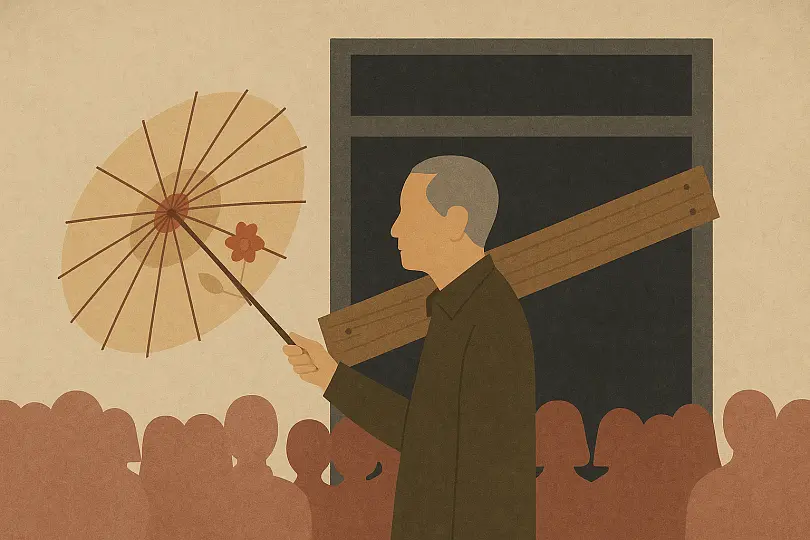
Love and loyalty endure amidst wartime secrets in Seattle’s divided heart.
What Readers Are Saying
Right for You If
Who’s Going to Love Hotel on the Corner of Bitter and Sweet?
If you’re all about historical fiction that pulls on your heartstrings and gives you a blend of real-life history with a story that feels super personal, this book should definitely be on your list. Seriously, if you adored books like The Book Thief, Snow Falling on Cedars, or The Nightingale, you’re right in the sweet spot here. It’s perfect for folks who like reading about complicated family relationships, bittersweet love stories, and characters overcoming cultural divides. Plus, if Seattle or WWII-era settings intrigue you, you’ll really sink into the atmosphere Jamie Ford creates.
- If you’re the type who appreciates stories about friendship, first love, and growing up during tough times, this will totally grab you.
- History buffs who don’t mind a bit of artistic license will appreciate how the novel brings Japanese internment and its emotional aftermath to life.
- Fans of quieter, character-driven books who love digging into emotions and subtle moments are really going to enjoy the slow-burn storytelling.
But who might want to skip it?
So, if you lean toward thrillers, fast-paced action, or anything super plot-heavy, this one might feel a bit slow for your tastes. The romance here is more bittersweet longing than steamy drama, so if you’re after something super passionate, you might be left wanting more.
Also, if you get frustrated by stories that switch between past and present timelines or don’t love books where a lot of the conflict is emotional and internal rather than “big” external events, it might not totally click for you.
Bottom line: If you want a gentle, heartfelt read that explores love, loss, and identity (and you don’t mind some tears along the way), I think you’ll find this book really special. If you need adrenaline, wild twists, or nonstop action—maybe save it for another time!
What You're Getting Into
Set in Seattle during World War II and the 1980s, Hotel on the Corner of Bitter and Sweet follows the unforgettable story of Henry, a Chinese American boy, as he navigates the complexities of young love, family loyalty, and cultural division.
When a forgotten artifact is unearthed in an old hotel, Henry is drawn back to memories of his friendship with Keiko, a Japanese American girl forced into an internment camp, sparking an emotional journey through secrets, regrets, and hope.
Tender, nostalgic, and deeply moving, Jamie Ford’s novel explores the bittersweet intersections of history, identity, and the power of human connection.
Characters You'll Meet
-
Henry Lee: Gentle, loyal Chinese-American protagonist caught between cultures. His coming-of-age story revolves around first love, family expectations, and reconciliation with the past.
-
Keiko Okabe: Independent, artistic Japanese-American girl. Her friendship and budding romance with Henry serves as the novel’s emotional core, reflecting both resilience and the losses of wartime internment.
-
Sheldon Thomas: Jazz-loving African-American saxophonist and Henry’s steadfast friend. Provides support and humor amidst adversity, helping Henry navigate prejudice and loneliness.
-
Mrs. Lee: Henry’s stoic and traditional mother. Torn between honoring her husband’s wishes and protecting her son, she adds nuance to the family’s internal struggle.
-
Mr. Lee: Strict, nationalistic father who values loyalty above all. His rigid expectations and cultural pride create conflict, shaping Henry’s identity and choices throughout the story.
More Like This
If you found yourself swept away by the interwoven timelines and bittersweet nostalgia of The Nightingale by Kristin Hannah, Jamie Ford’s Hotel on the Corner of Bitter and Sweet offers a similar emotional resonance through its exploration of love, war, and divided loyalties. Both novels illuminate how personal relationships are tested and transformed amidst the backdrop of historical upheaval, drawing readers into the quiet heartbreaks and secret moments that define their characters’ lives.
Fans of The Book Thief by Markus Zusak will immediately recognize that Ford’s gentle, poetic prose paints the innocence and turmoil of youth during wartime with equal sensitivity. Like Zusak, Ford draws us into the world of a young protagonist navigating prejudice, danger, and hope against the shadow of conflict—making it an irresistible read for those who appreciate stories where the resilience of the human spirit shines through.
On the screen, the evocative period atmosphere and poignant cross-cultural romance of Hotel on the Corner of Bitter and Sweet calls to mind the acclaimed film The Joy Luck Club. Both stories delve deeply into the complexities of family, heritage, and the immigrant experience in America, weaving multiple perspectives and generations with subtlety and warmth. The visual lushness and emotional depth of these stories create a richly textured experience that lingers, much like the memories stored in the Panama Hotel’s forgotten belongings.
Critic's Corner
What remains when time strips away everything but memory? Hotel on the Corner of Bitter and Sweet invites us to consider what is lost—and what endures—when history intrudes upon ordinary lives. Jamie Ford’s novel asks: Is it ever possible to reclaim innocence, connection, or culture, once prejudice and war have torn them away? In drawing us into the parallel worlds of 1986 and 1940s Seattle, the book compels its readers to face how the past shapes, haunts, and sometimes heals the present.
Ford’s prose is gentle yet assured, balancing nostalgia and candor to evoke setting and emotion without slipping into melodrama. He employs dual timelines with skill, letting past and present alternate in such a way that each era’s revelations shed new light on the other. The writing style leans toward quiet lyricism, particularly in the intimate details: a glimpse of a handwritten note, a remembered melody, the tactile recovery of lost belongings. At times, the dialogue can veer toward the expository or stiff, particularly in scenes requiring heavy historical context. However, Ford’s ability to evoke sensory memories—rain-slicked streets, the muted hum of jazz, the sharp tension of cultural boundaries—grounds the narrative, making Henry’s emotional journey feel immediate and authentic. Characterization is strongest in its depiction of Henry himself, caught between filial piety and personal longing, though some supporting characters lack similar nuance.
At its heart, this book is about the deep wounds of cultural displacement and the possibility of reconciliation—between races, generations, and within oneself. Ford interrogates the comfortable narratives often told about the American experience, forcing readers to confront the ugly legacies of exclusion, racism, and forced assimilation. The relationship between Henry and Keiko crystallizes the innocence that prejudice so carelessly destroys, while Henry’s fraught relationship with his own father exposes the costs of inherited loyalty versus chosen love. The Panama Hotel serves as both literal and symbolic space—a forgotten basement of memories calling forth questions of identity, forgiveness, and whether some promises are too fragile to survive time or trauma. The narrative feels acutely relevant as it echoes contemporary debates about immigrant identity and historical reckoning, giving modern readers a bridge to the emotional reality behind the facts.
Within the broader tradition of immigrant and wartime fiction, Ford’s novel shares company with Snow Falling on Cedars and Amy Tan’s The Joy Luck Club, yet it carves out its own voice, less concerned with epic scope than with the quiet devastation—and tenacious hope—of everyday lives. For readers who appreciate stories rooted in historical events but intimately personal in focus, this book offers both a window and a mirror. Ford’s fusion of cultural specificity with universal longing places him firmly within a lineage of writers using the past to illuminate the present.
If there’s a flaw here, it’s that the plotting can feel gently predictable, and its secondary characters—particularly female ones—sometimes register as symbols more than people. Yet even with these limitations, the novel resonates thanks to its emotional honesty, well-evoked atmosphere, and the quietly radical act of asking us to remember. For anyone seeking a moving, thoughtful meditation on love, loss, and the search for belonging, this book is well worth checking in.
Community Thoughts
Literally lost sleep thinking about Henry’s walk through old Seattle at night. The way memory and longing wrapped around him just wouldn’t let my brain rest. Why did I keep turning pages at 3 AM? That ache is still with me.
Did not expect to be thinking about Keiko long after closing the book. Her quiet strength and heartbreak stuck with me, like a song that won’t leave your head. Jamie Ford, why do you do this to us?
Did not expect to get so stuck on Henry’s silent heartbreak. That one moment he realizes Keiko’s gone for good, I just had to put the book down and stare into space. Why did that hit so hard?
no one warned me that Mrs. Beatty would sneak into my brain like that, just lurking with her wild mix of toughness and heart. she’s unforgettable and honestly, i’m still unsettled.
I can't get over Keiko. her quiet strength, the way she lingered in my mind hours after closing the book, made me ache for days. she’s the ghost in every quiet moment.
Leave Your Review
Local Take
Why It Matters
Jamie Ford’s Hotel on the Corner of Bitter and Sweet offers themes and historical echoes that hit surprisingly close to home for readers here.
-
Parallel histories: The novel’s focus on wartime prejudice and the internment of Japanese Americans resonates with local memories of ethnic divisions—think of past tensions and displacement stories that have shaped our own communities.
-
Cultural values: Ford’s intertwining of family loyalty and cross-cultural friendship mirrors our appreciation for family bonds but also nudges at social norms, especially regarding interethnic relationships—something that can still be a bit taboo here.
-
Plot points that stand out: Scenes of forced separation and community scapegoating evoke our own reckonings with collective guilt and the lingering effects of societal exclusion. These moments feel raw and very real in our context.
-
Literary echoes and challenges: The book’s blend of sweet nostalgia and bitter truth fits well with local literary favorites that mix personal reflection with social critique, yet its gentle prose and sentimental tone might feel more restrained than our typically raw, direct narrative styles.
In short, this novel’s struggle between memory and forgiveness is both familiar and provoking—a bridge between our own history and someone else’s, making it a fascinating read for anyone here seeking empathy and fresh perspective.
Food for Thought
Notable Achievement:
Hotel on the Corner of Bitter and Sweet by Jamie Ford became a beloved bestseller, striking a chord with readers for its poignant portrayal of Japanese American internment during WWII and earning spots on numerous reading lists, including the Indie Next List and the American Library Association’s recommended books.
It’s especially cherished for sparking renewed interest in stories of Asian American history and intergenerational family bonds.
Like what you see? Share it with other readers